
Modern Software Engineering: Pillars of AI-Native Delivery
In 2026, modern software engineering has moved beyond manual coding and fragile deployments. The integration of software engineering and ai has created a new standard for how high-velocity teams ship production-ready systems.
- AI-Native
- CI/CD Automation
- Production Hardening
- 2026 Standards
The Evolution of Software Engineering and AI
The shift toward AI-native delivery isn't just about using chatbots. It involves embedding intelligence into every stage of the lifecycle, from initial architecture to automated quality gates.
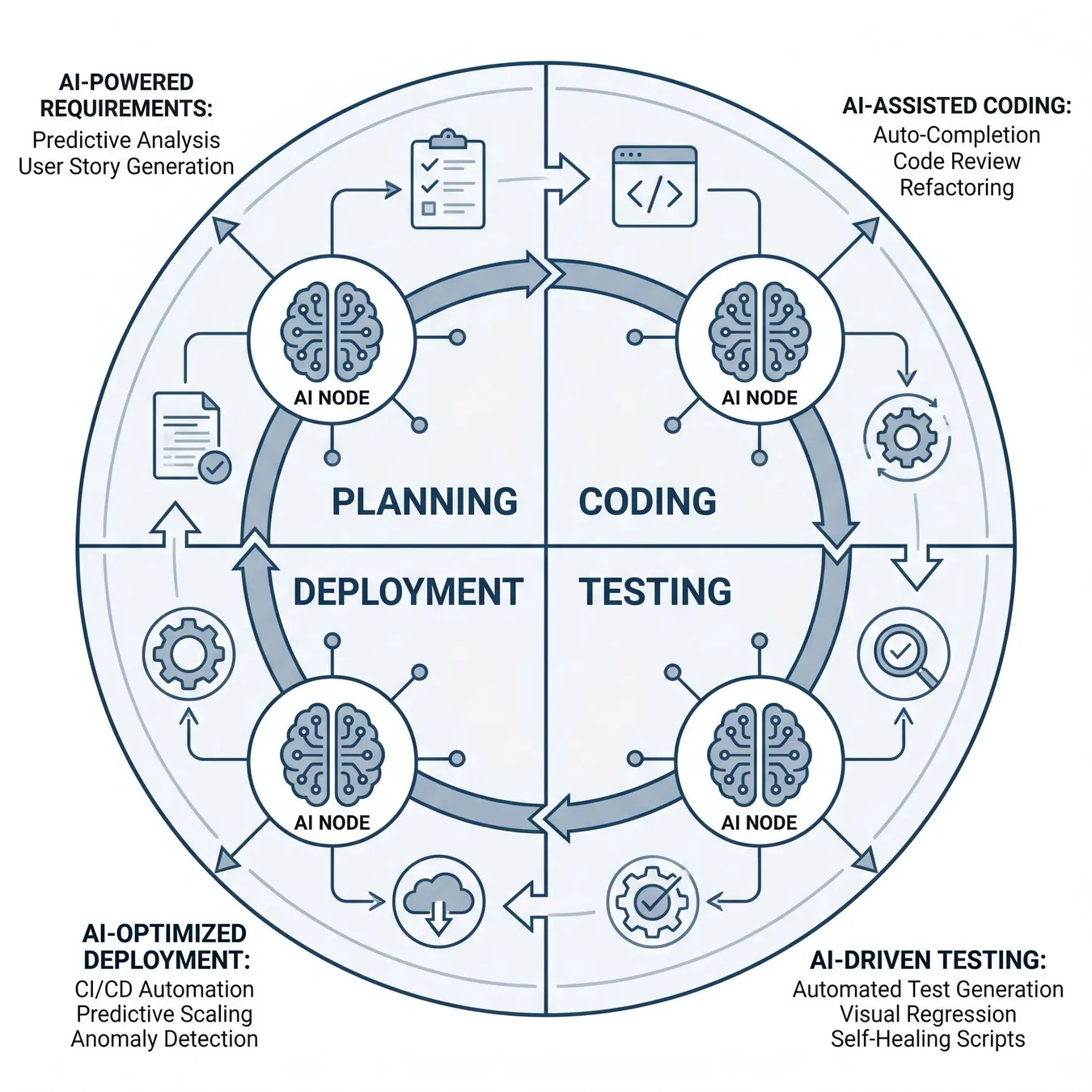
The modern AI-integrated development lifecycle.
Pillar 1: AI-Assisted Development and Code Quality
Modern teams leverage tools for ai development to accelerate feature delivery while maintaining strict standards. This isn't about replacing engineers, but augmenting them with real-time logic checks.
- Real-time architectural suggestions during the build phase.
- Automated refactoring of legacy code for modern performance.
- Context-aware documentation generation for maintainability.
- Proactive security scanning during the coding process.
Pillar 2: Automated Quality Assurance and Hardening
Manual QA is a bottleneck that growth-stage companies can no longer afford. AI-driven testing allows for comprehensive coverage that adapts as the codebase evolves.
Info.
// Predictive Testing
Pillar 3: AI-Assisted Code Review Protocols
Implementing ai-assisted code review best practices ensures that every pull request is audited for logic flaws and security vulnerabilities before a human even looks at it.
Trade-off
3 pros · 3 cons
Pros
Instant automated feedback
Standardized linting and logic
Focus on high-level architecture
Cons
Slow manual review cycles
Inconsistent security checks
Human fatigue missing edge cases
Pillar 4: Continuous Integration and Deployment (CI/CD)
In a modern software engineering environment, the pipeline is the product. Automation ensures that code moves from a developer's machine to production without manual intervention.
85%
Reduction in deployment errors
4x
Faster shipping velocity
99%
Automated test coverage
Modern Engineering vs. Legacy Approaches
| Feature | Legacy Engineering | Modern AI-Native |
|---|---|---|
| Testing | Manual / Scripted | Autonomous / Adaptive |
| Reviews | Peer-only | AI-Augmented |
| Scaling | Reactive | Predictive |
Implementing the Pillars: A Roadmap
01 / 04
phase 01 / 04
Assessment
phase 02 / 04
Tooling
phase 03 / 04
Automation
phase 04 / 04
Optimization
Common Pitfalls in AI-Native Delivery
Use AI to catch low-level syntax and logic errors.
Maintain human oversight for critical architecture.
Automate regression testing for every release.
Blindly trust AI-generated code without review.
Ignore security hardening in automated pipelines.
Treat AI as a replacement for engineering discipline.
The Role of Production Hardening
Production hardening is the process of ensuring your system can survive real-world traffic, security threats, and edge cases. AI-native systems excel here by simulating thousands of failure scenarios in seconds.
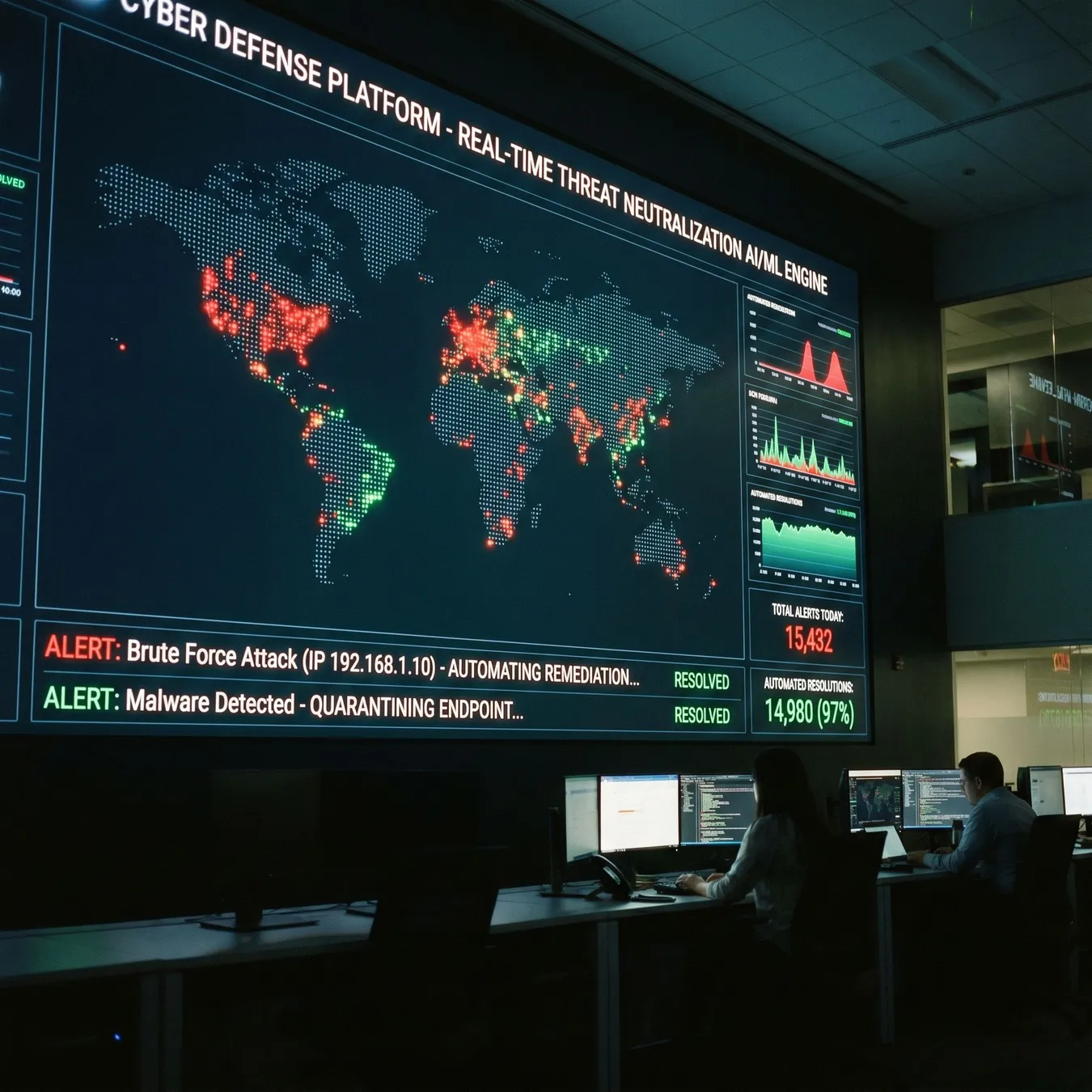
Real-time security monitoring.
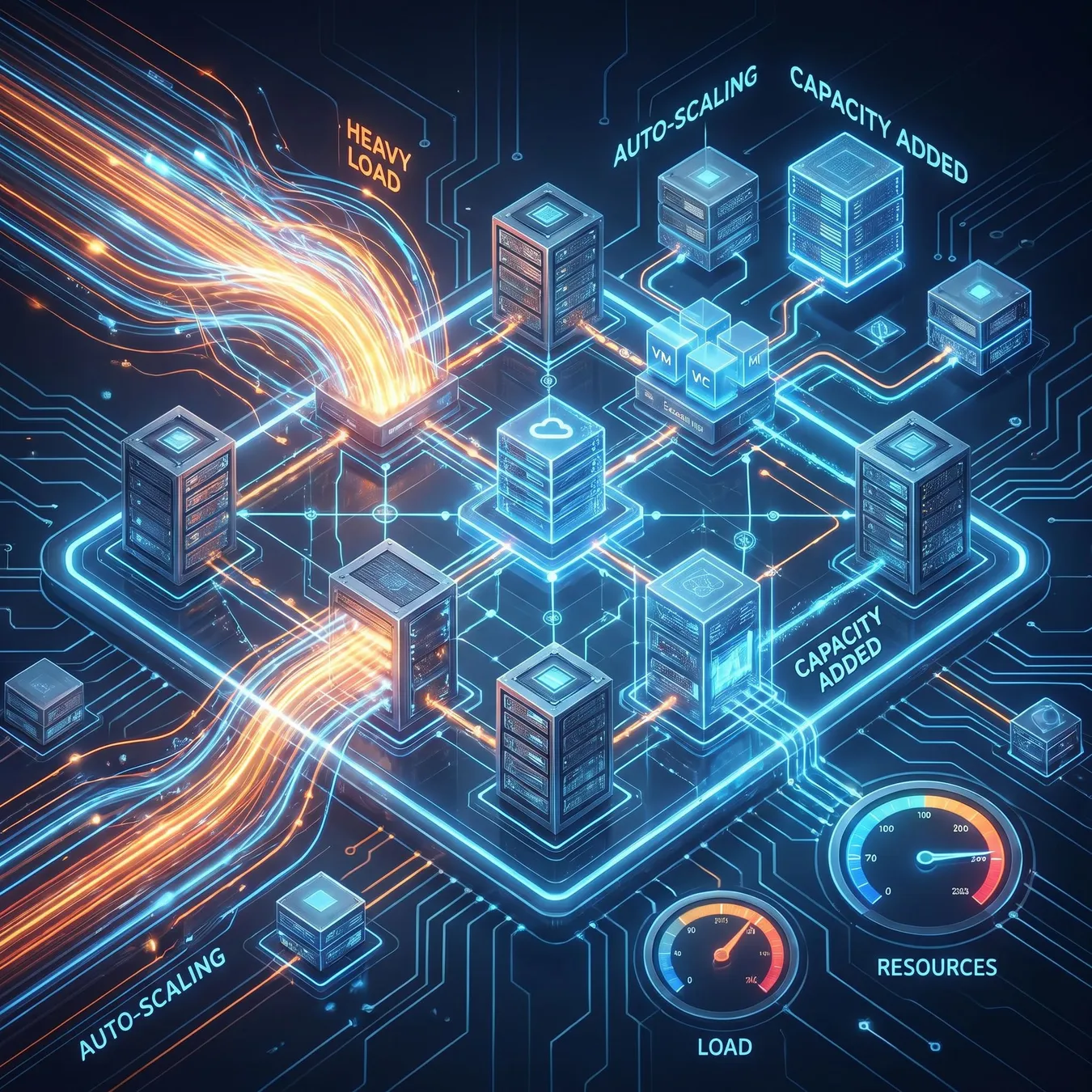
Elastic infrastructure scaling.
Frequently Asked Questions
Bridging the Gap with Studio 402
At Studio 402, we don't just build software; we build the systems that build software. If your current engineering process is slow, fragile, or overwhelmed by technical debt, we can help you transition to a modern, AI-native delivery model.
Modern engineering isn't about the volume of code you write, but the durability of the systems you deploy.
Engineering Lead · Studio 402
Modernize Your Engineering Workflow
Ready to harden your production systems and accelerate delivery? Let's build a durable engineering foundation together.
Keep reading