
Best AI Tools for SaaS Development in 2026
The landscape of software engineering has shifted permanently toward AI-native workflows. In 2026, selecting the right ai tools for saas development 2026 is no longer about simple code completion; it is about integrating autonomous agents and robust quality gates into your production pipeline.
- Engineering
- SaaS 2026
- AI Integration
- Productivity
Founders and engineering leaders must look beyond the hype to find tools that offer security, maintainability, and scale. This guide reviews the best ai tools for developers and how they fit into a modern custom software build.
Core AI Tools for SaaS Development
Modern saas application development tools now include deep AI integration to handle everything from boilerplate generation to complex state management logic.
- Cursor: The leading AI-native code editor for high-velocity teams.
- GitHub Copilot Workspace: For planning and implementing features at the issue level.
- Replit Agent: Rapidly prototyping and deploying internal SaaS modules.
- Supermaven: Low-latency code completion with massive context windows.
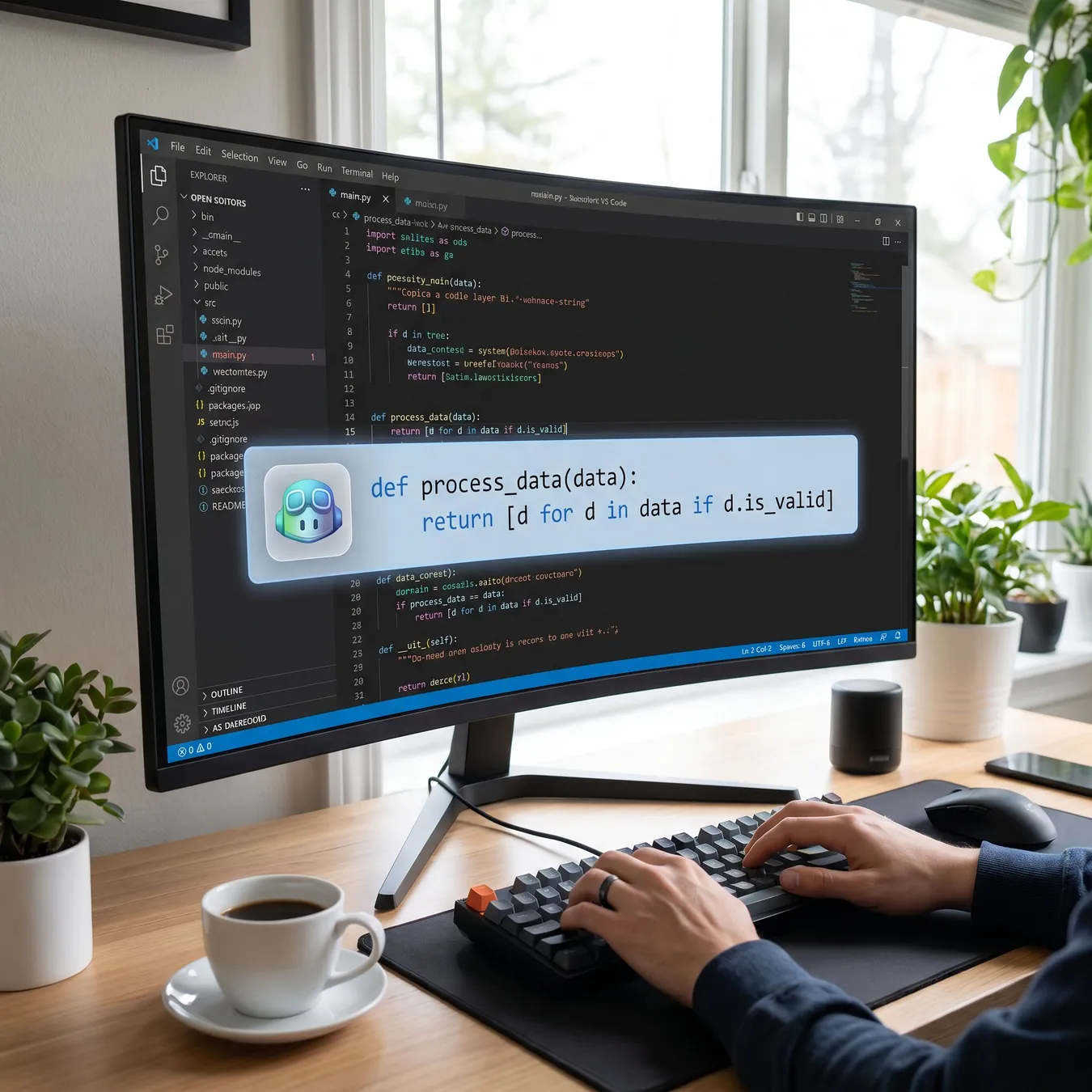
AI-native IDEs are the foundation of 2026 SaaS engineering.
AI-Assisted Engineering and QA Automation
Quality assurance has been revolutionized by agentic systems that can write, execute, and fix tests autonomously. This reduces the manual overhead that typically plagues growth-stage SaaS companies.
Tip.
// Quality First
We recommend implementing ai-assisted code review best practices to ensure that every line of machine-generated code meets your security and performance standards.
Top QA and Testing Tools
- CodiumAI: Generating meaningful test suites for complex logic.
- Greptile: AI-powered codebase search and documentation for onboarding.
- Bloop: Natural language search across your entire repository.
- Snyk AI: Real-time security scanning and automated vulnerability patching.
Infrastructure and AI Orchestration
Building an AI-native SaaS requires more than just an LLM wrapper. You need a robust stack of tools for ai development to manage embeddings, vector databases, and model latency.
40%
Velocity Increase
25%
Bug Reduction
90%
Dev Satisfaction
The 2026 AI Infrastructure Stack
For teams focused on custom software development ai automation 2025 and beyond, the infrastructure layer is where reliability is won or lost.
| Tool Category | Top 2026 Pick | Primary Use Case |
|---|---|---|
| Vector Database | Pinecone Serverless | RAG and Semantic Search |
| LLM Orchestration | LangChain / LangGraph | Agentic Workflows |
| Observability | LangSmith | Tracing and Debugging |
| Deployment | Vercel AI SDK | Streaming UI Components |
AI Tools for Product Management and Planning
SaaS development isn't just about code; it's about the systems that manage the roadmap. AI tools now assist in PRD generation and user story mapping.
- Linear Asks: Turning customer feedback into actionable tickets.
- Productboard AI: Summarizing user research for feature prioritization.
- Whimsical AI: Generating flowcharts and wireframes from text prompts.
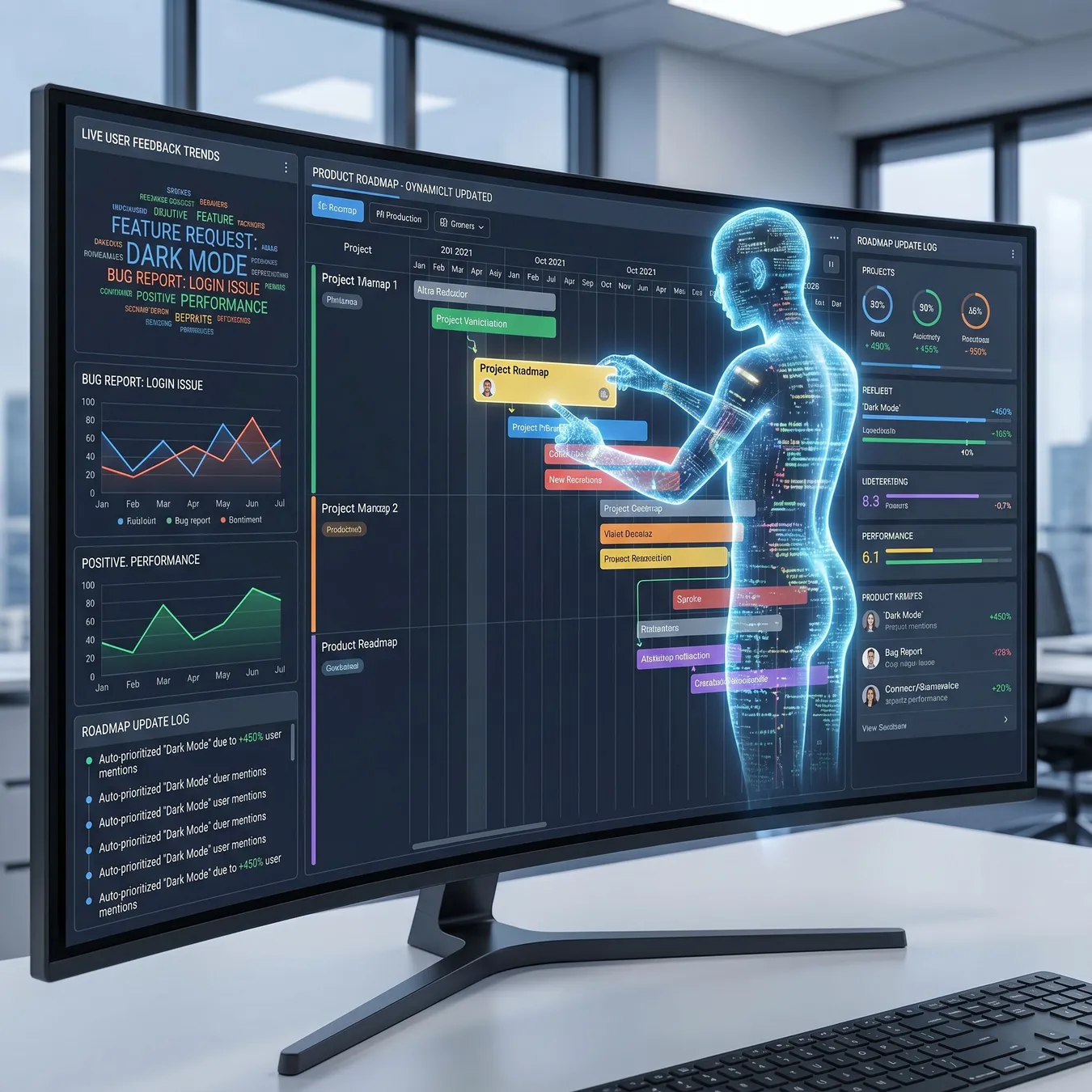
AI tools bridge the gap between product vision and engineering execution.
Security and Compliance in AI-Assisted Builds
With the rise of AI-generated code, security risks have evolved. Tools must now scan for prompt injection vulnerabilities and data leakage in training sets.
Use AI to scan for hardcoded credentials.
Implement human-in-the-loop for critical logic.
Verify AI-suggested dependencies for security.
Paste sensitive customer data into public LLMs.
Blindly trust AI-generated crypto or auth code.
Ignore the license terms of AI-suggested snippets.
The Shift to Artificial Intelligence Engineering
The transition from traditional development to artificial intelligence engineering requires a mindset shift from writing logic to managing stochastic systems.
In 2026, the best developers aren't the ones who type the fastest, but the ones who can orchestrate the most effective AI agents.
Alex Rivers · CTO at Studio 402
How to Choose Your AI Stack
Choosing the best ai tools for saas development depends on your team's maturity and the complexity of your product. Start with a solid foundation and add specialized tools as you scale.
01 / 03
phase 01 / 03
Foundation
phase 02 / 03
Quality
phase 03 / 03
Orchestration
Common Pitfalls in AI Tool Adoption
Many teams fall into the trap of 'vibe-coding'—building products that look good in demos but fail in production due to poor architecture.
Warning.
// Developer Experience
AI Tools for Frontend and UI/UX
Frontend development has seen a massive boost from tools that can turn screenshots or wireframes into functional React components.
- v0.dev: Generating UI components from natural language prompts.
- Locofy: Turning Figma designs into production-ready code.
- Galileo AI: Generating editable UI designs for mobile and web apps.
The Future of SaaS Development in 2026
We are moving toward a world where 'software that writes software' is the norm. The tools listed here are the first step toward that autonomous future.
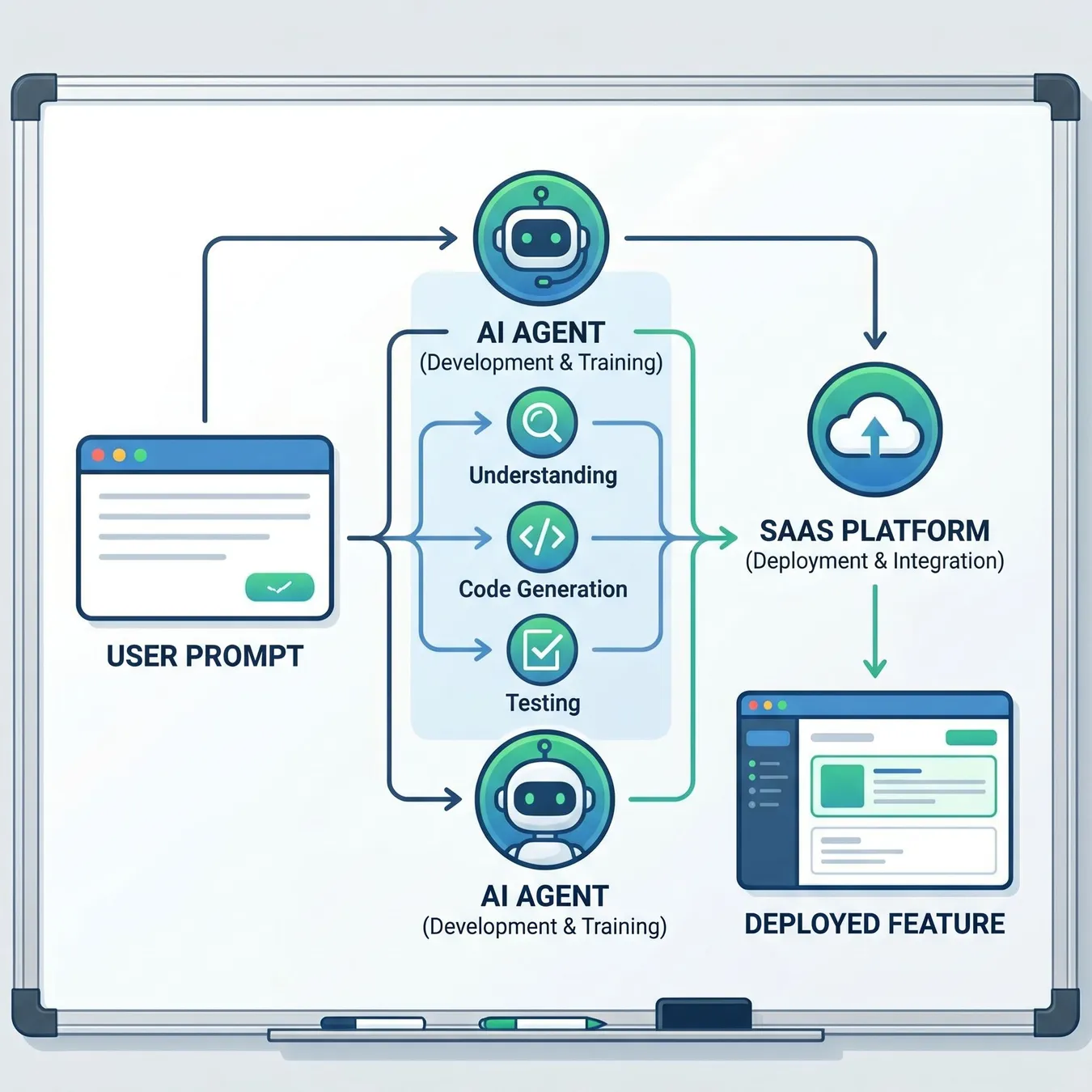
The autonomous development lifecycle.

Human-AI collaboration in modern studios.
Frequently Asked Questions
Bridging the Gap: From Tools to Production
While these tools provide immense leverage, they are not a substitute for sound engineering principles. At Studio 402, we combine these advanced tools with senior product engineering to ship software that scales.
If you are building a SaaS and need more than just a prototype, we can help you implement these systems correctly from day one.
Studio 402 has helped 50+ startups launch production-ready AI systems.
Updated for July 2026
Build Your SaaS the Right Way
Ready to build a scalable SaaS with an AI-native engineering partner? Let's discuss your roadmap.
Related Resources
Keep reading
More in AI-Assisted Engineering & QA
Selecting the right tool is only half the battle. The real value lies in how these tools are integrated into your specific business logic and operational workflows.
- Focus on interoperability between tools.
- Prioritize tools with strong security certifications.
- Invest in team training for AI-native workflows.
Final Thoughts on 2026 Tooling
The best ai tools for saas development are those that disappear into your workflow, allowing you to focus on solving customer problems rather than managing infrastructure.
As we continue through 2026, expect these tools to become even more agentic, handling entire deployment cycles with minimal human intervention.
Audit current dev stack for AI gaps
Implement AI-assisted code reviews
Set up vector database for RAG features
Stay ahead of the curve by experimenting with these tools in a sandbox environment before rolling them out to your production repositories.