
Code Review Automation Best Practices for 2026
Engineering velocity is often throttled by manual review cycles. By implementing code review automation best practices, teams can eliminate repetitive tasks and focus human intelligence on complex architectural decisions.
45%
Reduction in cycle time
3.2x
Increase in deployment frequency
90%
Automated linting coverage
The Core Pillars of Automation Code Review
Modern automation code review isn't just about catching syntax errors; it's about creating a multi-layered defense system that protects production stability while accelerating shipping speed.
- Static Analysis (SAST) for security vulnerabilities
- Automated linting and style enforcement
- Unit and integration test coverage gates
- AI-driven logic and edge-case detection
- Dependency vulnerability scanning
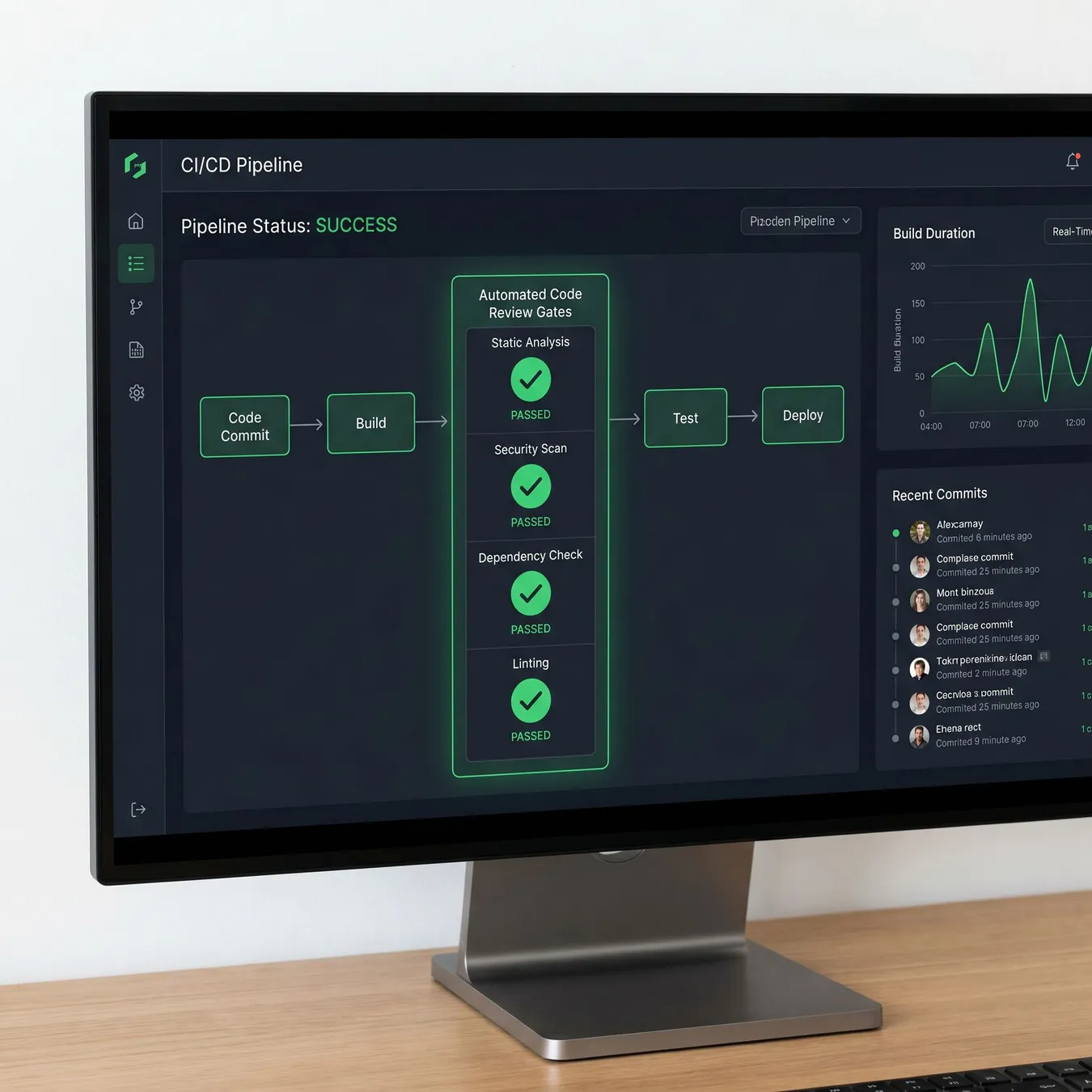
Automated quality gates ensure only production-ready code reaches the human review stage.
How to Improve Code Review Process Efficiency
To effectively improve code review process efficiency, you must first identify where the manual bottlenecks occur. Often, reviewers spend too much time on nitpicks that an automated tool could have caught instantly.
Tip.
// The 15-Minute Rule
Implementing Automated Quality Gates
Quality gates act as the first line of defense. By enforcing strict standards at the commit level, you ensure that code review throughput best practices are maintained by preventing low-quality code from entering the queue.
- 01
Configure pre-commit hooks for local linting.
- 02
Set up CI pipeline triggers on every pull request.
- 03
Block merging if automated tests or security scans fail.
- 04
Use AI agents to summarize changes for human reviewers.
Code Review Efficiency Best Practices
Efficiency is a byproduct of clear expectations. When teams follow established code review process best practices, the friction between author and reviewer disappears.
Trade-off
4 pros · 3 cons
Pros
Faster feedback loops for developers
Consistent enforcement of style guides
Higher focus on business logic
Reduced human fatigue
Cons
Initial setup time for complex rules
Risk of false positives in AI tools
Potential for 'gate fatigue' if too strict
The Role of AI in Modern QA
AI-driven checks go beyond regex-based linting. Modern systems can understand intent, suggesting refactors that improve maintainability and performance.
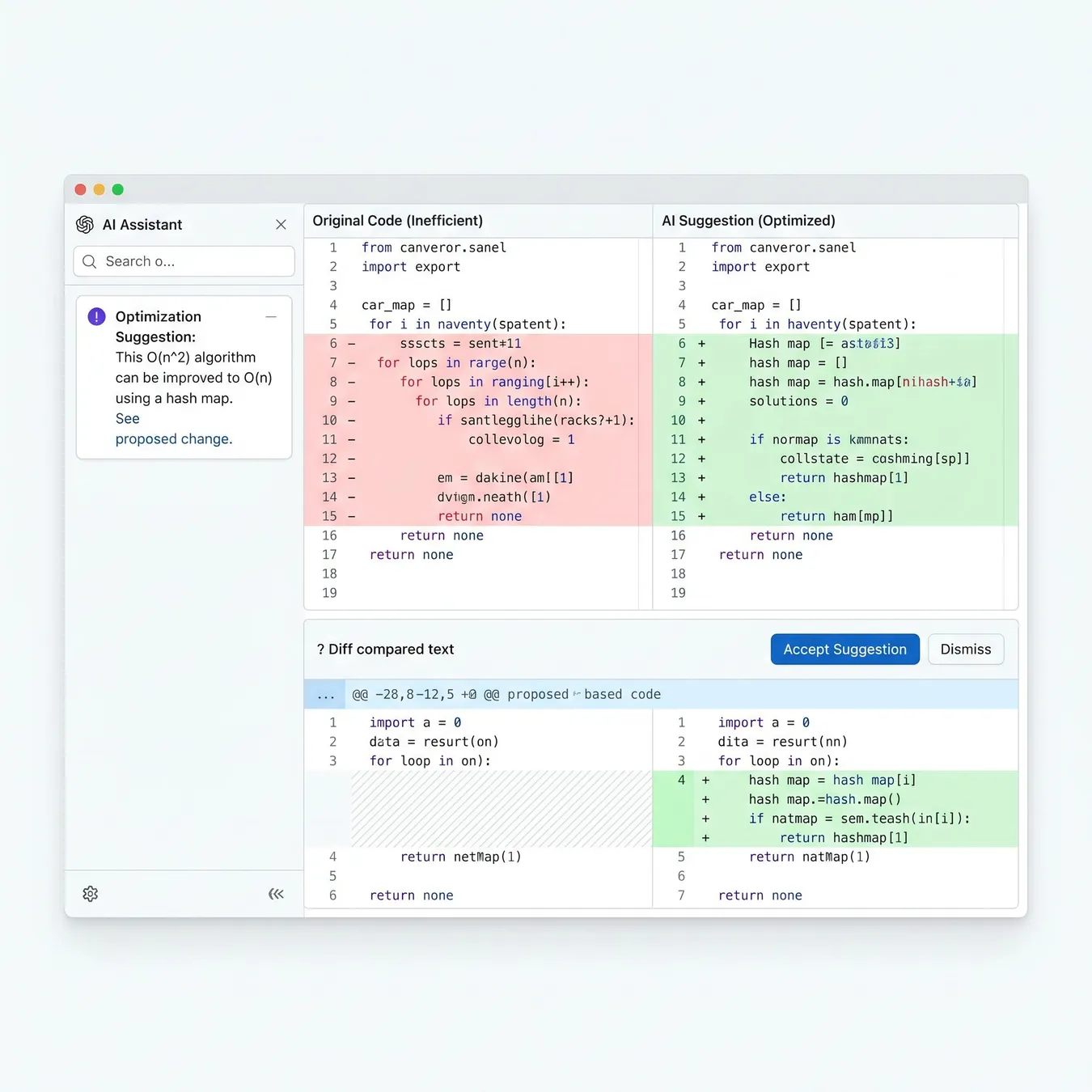
AI agents can identify logic flaws that traditional linters miss.
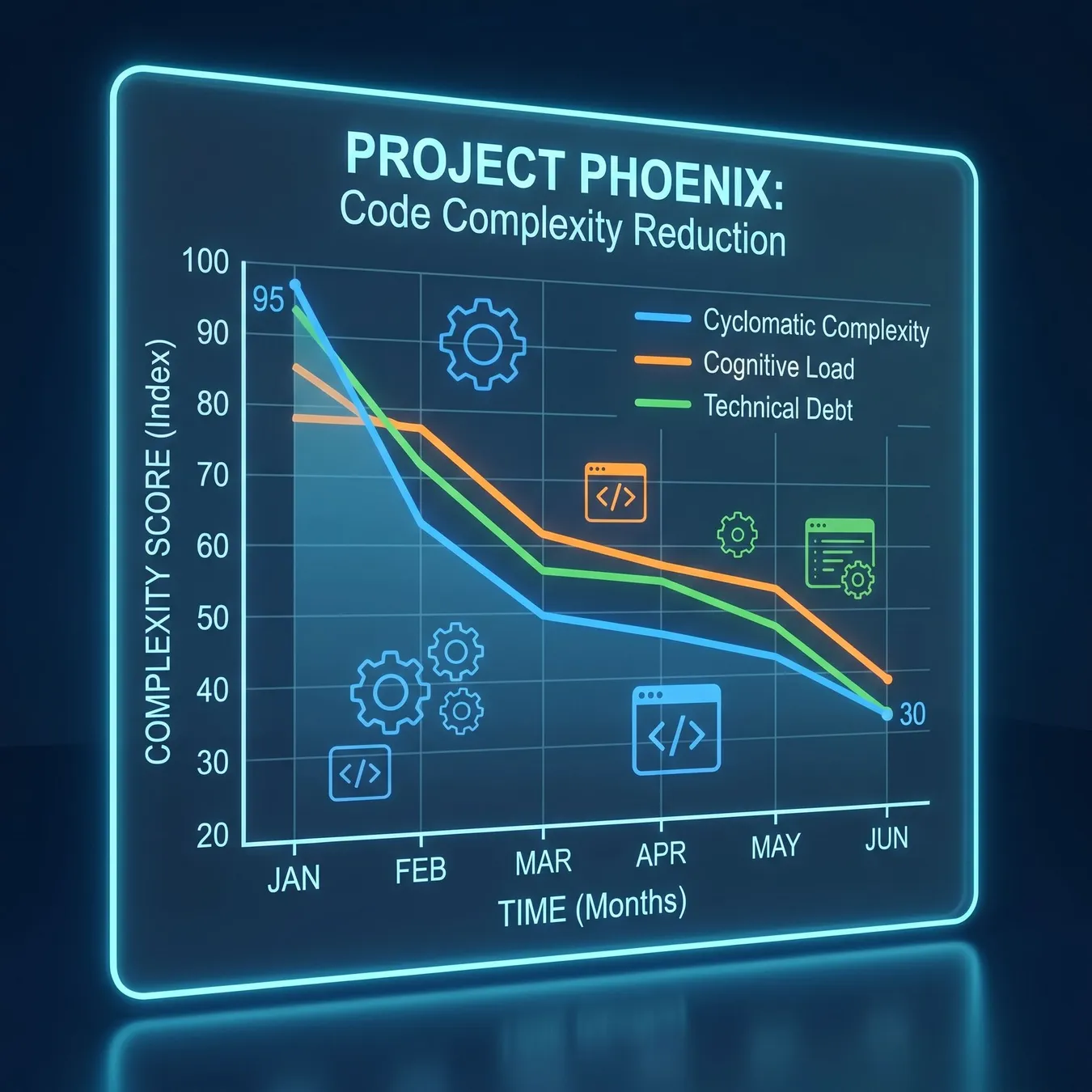
Tracking code health through automated dashboards.
Strategic Developer Productivity Engineering
Automation is a core component of developer productivity engineering. By treating the developer experience as a product, you can build internal tools that make shipping high-quality code the path of least resistance.
Checklist for Production-Ready Automation
Before rolling out automation to the entire org, ensure your configuration covers these critical areas using a code review checklist best practices framework.
Automated linting for all supported languages
Mandatory 80% test coverage gate
Secret detection (API keys, passwords) in commits
AI-generated PR summaries for context
Dependency license and vulnerability audit
Common Pitfalls in Review Automation
Automate the boring stuff first
Provide clear fix instructions in bot comments
Allow for manual overrides in emergencies
Overwhelm developers with noisy warnings
Replace human architectural reviews entirely
Ignore false positives reported by the team
Measuring the ROI of Automation
To justify the investment in automation, track metrics like Time to First Review and Change Failure Rate. Automation should drive both numbers down significantly.
| Metric | Manual Process | Automated Process |
|---|---|---|
| Initial Feedback | 4-24 Hours | < 5 Minutes |
| Security Catch Rate | Variable | 99% (Known CVEs) |
| Reviewer Fatigue | High | Low |
Advanced AI-Native Review Systems
In 2026, the most advanced teams are using agentic AI to not only flag issues but also propose and apply fixes directly to the branch, subject to developer approval.
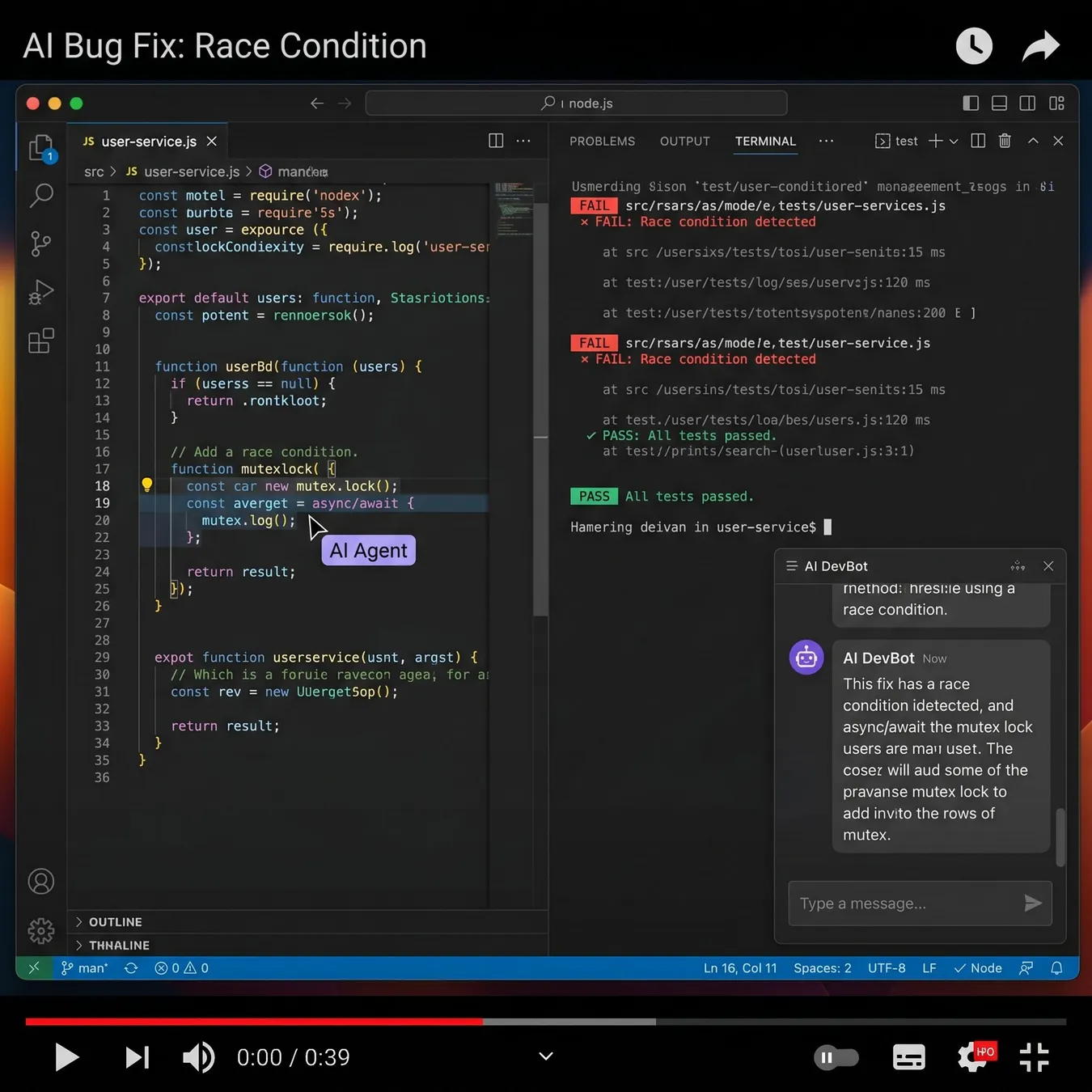
Agentic AI can move from identifying problems to proposing production-ready fixes.
Scaling Automation Across the Organization
Consistency is key when scaling. Centralized shared configurations (like reusable GitHub Actions) ensure that every project benefits from the same high standards.
Frequently Asked Questions
Bridging the Gap to Production Excellence
If you are struggling with a slow delivery pipeline or a codebase that feels fragile, implementing these automation layers is the first step toward recovery. At Studio 402, we specialize in building these durable engineering systems.
How Studio 402 Can Help
Whether you are launching a new MVP or rescuing a codebase that has hit a scaling wall, we integrate advanced AI and automation into your SDLC to ensure your software is built for real-world use.
Studio 402 didn't just write code; they transformed our entire engineering culture by automating our review gates. Our shipping velocity doubled in three months.
Next Steps for Your Engineering Team
01 / 04
phase 01 / 04
Audit
phase 02 / 04
Automate
phase 03 / 04
Integrate AI
phase 04 / 04
Iterate
Explore Related Engineering Insights
Ready to Ship Faster?
Don't let manual processes hold back your product growth. Let's build a high-velocity engineering engine together.
Optimize Your Engineering Velocity
Connect with Studio 402 to implement production-grade automation and AI-native engineering systems.
Technical Summary
Code review automation is no longer optional for teams aiming for high-scale production. By combining static analysis, automated testing, and AI-driven insights, you create a resilient delivery pipeline.
- Engineering Velocity
- AI-Native QA
- DevOps 2026
- SaaS Scaling
Further Reading
Check out our other guides on modernizing your software development lifecycle and integrating agentic AI into your workflow.
Keep reading
More in AI-Assisted Engineering & QA
Studio 402 is a product engineering studio that builds custom software, AI systems, and cloud infrastructure for ambitious operators. We help you turn operational bottlenecks into durable systems.
Trusted by 50+ high-growth startups and SMBs.
Updated July 2026
Our approach combines product engineering depth with AI-native systems design to ship faster and build foundations that grow with your business.