
Best Practices for Reviewing AI-Generated Code
As AI-assisted engineering becomes standard, the role of the human reviewer has shifted from writing logic to auditing it. Implementing best practices reviewing ai generated code is essential for maintaining production-grade standards in modern software delivery.
45%
Increase in code velocity
2x
Review depth required
100%
Production readiness
The Core Pillars of AI Code Auditing
Reviewing AI output requires a different mental model than peer-written code. While AI is excellent at boilerplate, it often lacks context regarding your specific business logic and security constraints.
- Verify logical correctness against business requirements
- Audit for hidden security vulnerabilities and hallucinations
- Ensure adherence to internal style guides and patterns
- Validate performance implications of generated algorithms
Ensuring Code Review Thoroughness Best Practices
To maintain high standards, teams must adopt code review thoroughness best practices that treat AI as a junior contributor. Never assume the code works just because it compiles; instead, verify every branch and edge case.
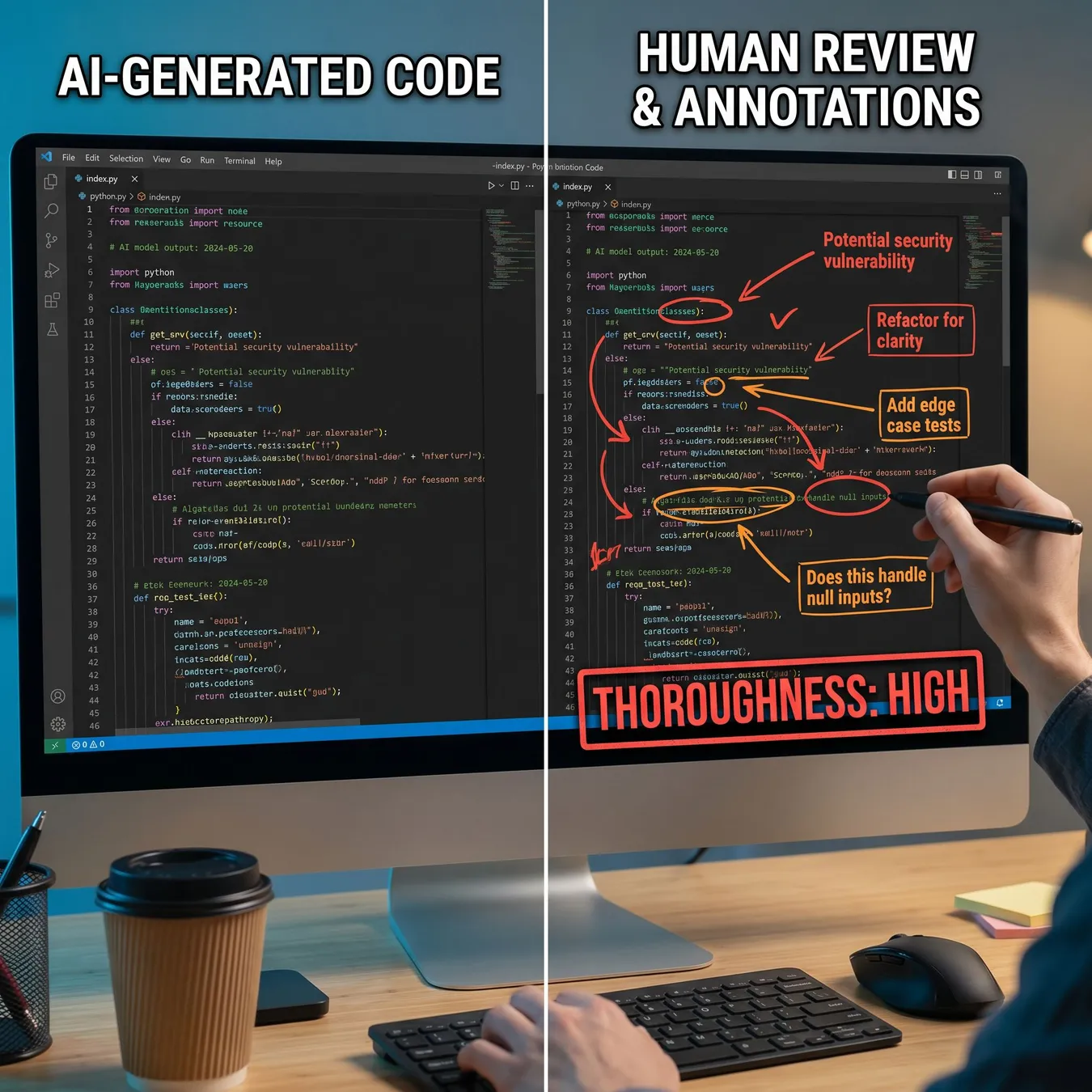
Thorough human review is the final gate for AI-generated logic.
Maximizing Code Review Coverage Best Practices
Coverage isn't just about lines of code; it's about logic paths. Following code review coverage best practices ensures that AI-generated functions are fully exercised by automated tests before they reach production.
Info.
// Coverage vs. Quality
Security Hardening for AI-Assisted Code
AI models may inadvertently suggest insecure patterns or deprecated libraries. A critical step in your workflow should be an automated security scan, such as an aws ai code review to catch vulnerabilities early.
Run static analysis on all AI output
Verify library versions for known CVEs
Manually audit sensitive auth logic
Use AI to write unit tests for the generated code
Blindly accept large PRs from AI
Ignore warnings from automated linters
Assume AI understands your data privacy rules
Skip the peer review phase for AI code
Establishing a Review Workflow
01 / 04
phase 01 / 04
Generation & Linting
phase 02 / 04
Automated Testing
phase 03 / 04
Human Logic Audit
phase 04 / 04
Security Gate
Maintainability and Technical Debt
AI can produce 'vibe code'—software that looks correct but is difficult to maintain. Establishing code review best practices ensures that your codebase remains readable and modular over the long term.
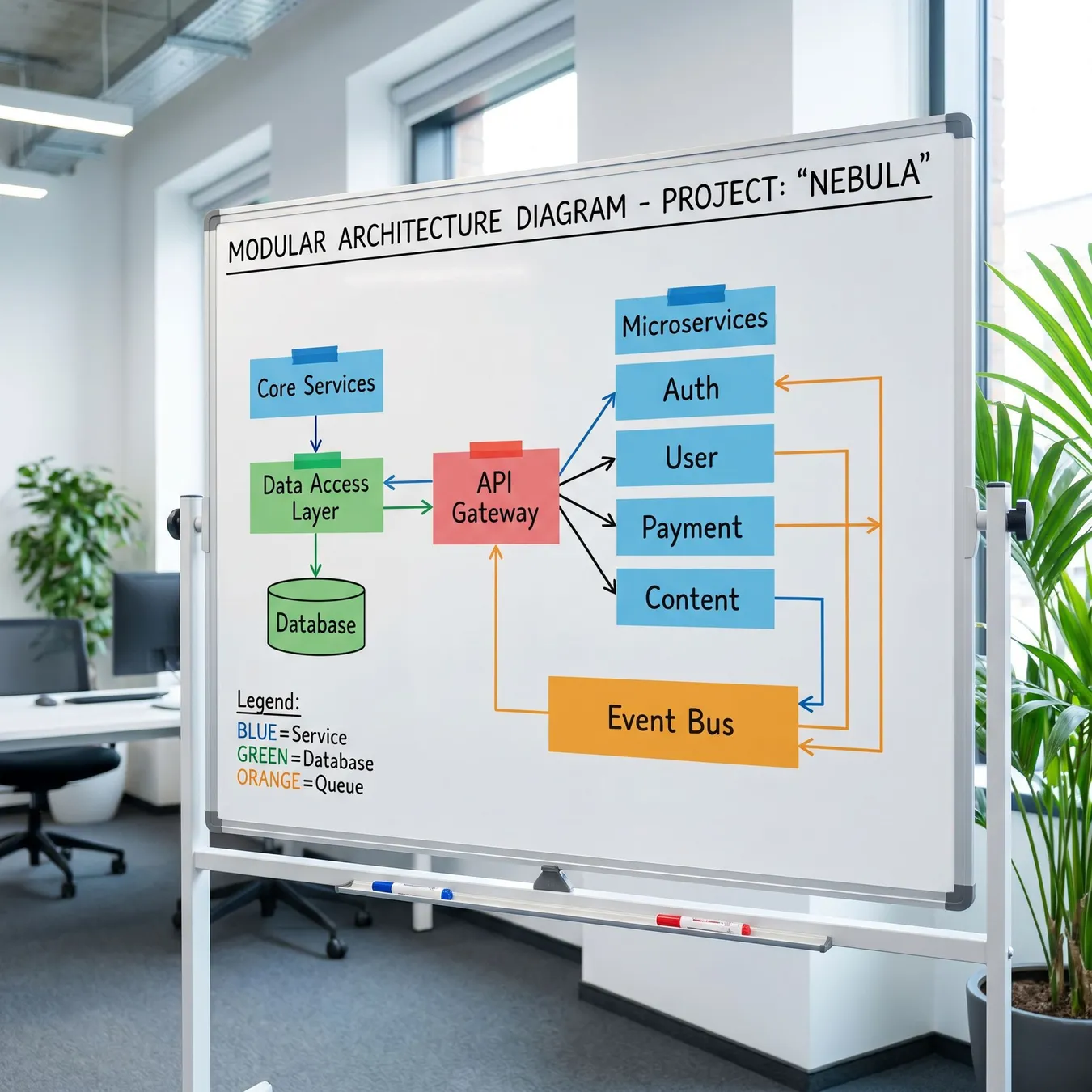
Modular architecture is easier to audit.
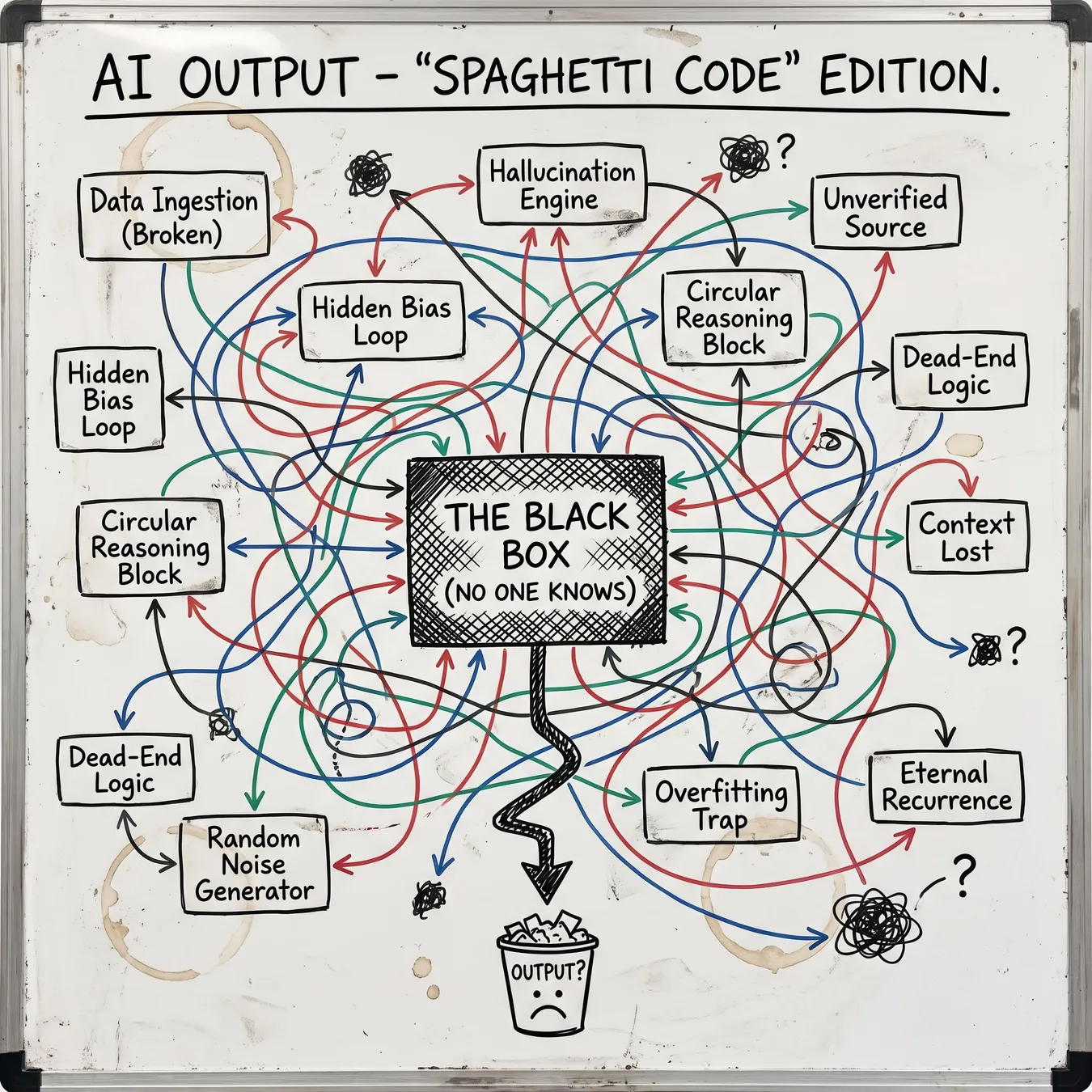
Avoid unmaintainable 'vibe code' patterns.
Common AI Hallucinations in Code
| Hallucination Type | Risk Level | Detection Method |
|---|---|---|
| Phantom APIs | High | Compiler/Build Check |
| Insecure Defaults | Critical | Security Scanning |
| Logical Paradoxes | Medium | Unit Testing |
The Role of Automated QA
To scale AI development, you need robust software quality assurance automation. This infrastructure acts as a safety net, catching regressions that human reviewers might miss during rapid iteration.
Reviewing for Performance
AI often prioritizes readability over performance. Reviewers should look for inefficient loops, unnecessary database queries, or memory-intensive operations in generated blocks.
When to Seek a Professional Audit
If your team is dealing with a large volume of legacy AI code or a complex refactor, a professional code review audit can identify systemic risks before they impact your customers.
AI Code Review FAQ
The Studio 402 Approach to AI Engineering
At Studio 402, we don't just use AI to write code; we use it to build better systems. We combine AI-native speed with senior engineering discipline to ensure every line of code is production-ready.
Hardening Your Production Pipeline
Moving from a prototype to a scalable product requires more than just code. It requires infrastructure, observability, and a culture of thoroughness that treats every AI suggestion with healthy skepticism.
Reviewing AI-Generated Documentation
Code is only as good as its documentation. Ensure your review process includes an audit of AI-generated comments and README files to ensure they accurately reflect the logic.
Future-Proofing Your Codebase
As models evolve, the patterns they generate will change. Maintaining a strict, human-led review process ensures that your codebase remains consistent even as your tooling shifts.
Summary Checklist for Reviewers
Logic matches business requirements
Security scan completed and passed
Unit tests cover all new branches
No deprecated libraries or APIs used
Code follows internal style guides
Bridging the Gap to Production
If you are struggling with AI-generated code that works in a demo but fails in the real world, Studio 402 can help. We specialize in rescuing and hardening products for scale.
Harden Your AI-Generated Codebase
Turn your prototypes into production-ready systems with our senior engineering team.
Explore More Engineering Insights
Keep reading
More in AI-Assisted Engineering & QA
Our Commitment to Quality
Studio 402 is built on the principle that software should be durable. Whether we are building from scratch or rescuing a project, our focus is always on long-term maintainability.
Trusted by growth-stage startups to ship production-ready AI systems.
Updated for 2026 engineering standards.
Technical Consulting & Advisory
Need a senior partner to review your architecture? We provide fractional CTO services and deep technical audits for teams scaling fast.
Custom Workflow Automation
We build the internal tools and automated systems that allow your engineering team to focus on high-value logic instead of manual overhead.
- AI-Native
- Production-Ready
- Security-First
- Scalable
Final Thoughts on AI Code Reviews
The goal of reviewing AI-generated code is not to find every mistake, but to build a system where mistakes cannot reach production. By combining automation with human expertise, you create a resilient engineering culture.
AI is a force multiplier for engineering, but only if you have the discipline to audit what it builds.
Studio 402 Engineering Team