
Overview
Small Business Automation: From Manual Tasks to Scalable Systems
Move beyond fragile spreadsheets and manual workflows. Learn how to automate your small business with durable, custom-engineered systems designed for growth.
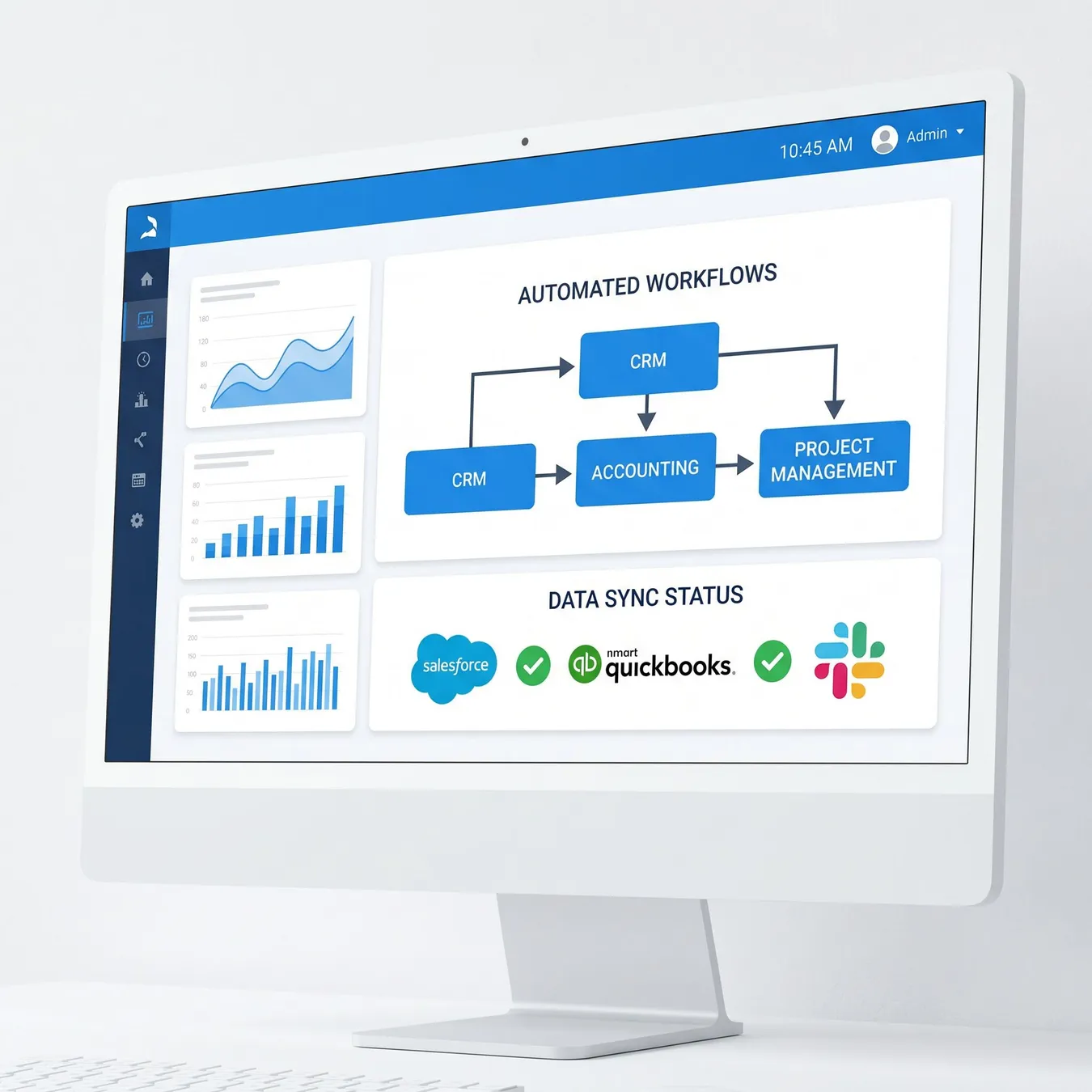
The Strategic Guide to Small Business Automation
For many founders, the early days of a company are held together by sheer willpower and manual effort. However, as you scale, these manual tasks become operational bottlenecks that hinder growth and lead to human error. To automate your small business effectively, you must transition from individual tasks to cohesive, scalable systems.
40%
Time spent on repetitive manual tasks by SMB owners
3.5x
Increased scalability for automated operations
0%
Manual data entry errors in custom-built systems
Why Small Business Automation is Critical for Growth
Implementing small business automation isn't just about saving time; it's about creating a foundation that doesn't break under pressure. When you automate manual business processes, you free up your team to focus on high-value strategy rather than administrative maintenance.
- Eliminate data silos between sales, marketing, and operations.
- Ensure 24/7 responsiveness for customer inquiries and lead intake.
- Reduce the overhead of managing complex financial approvals.
- Enable real-time reporting without manual spreadsheet updates.
Identifying the Best Tasks to Automate First
Not every process should be automated immediately. The best small business automation software strategy starts with high-volume, low-complexity tasks that follow a predictable set of rules. This allows you to see immediate ROI while planning for more complex systems.
| Process Type | Automation Potential | Business Impact |
|---|---|---|
| Lead Intake | High | Faster response times |
| Invoicing | High | Improved cash flow |
| Customer Support | Medium | Higher satisfaction |
| Strategic Planning | Low | Human-led growth |
Step-by-Step: How to Automate Your Small Business
01 / 04
phase 01 / 04
Audit Manual Workflows
phase 02 / 04
Select Your Stack
phase 03 / 04
Design the Logic
phase 04 / 04
Build and Test
The Limits of No-Code and When to Go Custom
Many founders start with basic tools like Zapier or Make. While these are great for simple triggers, they often hit a 'no-code ceiling' when business logic becomes complex. This is where complex workflow automation becomes necessary to handle multi-step branching and deep API integrations.
Trade-off
3 pros · 3 cons
Pros
Lower initial cost for simple tasks
Fast setup for standard integrations
Accessible to non-technical staff
Cons
Fragile when APIs change
Expensive at high transaction volumes
Limited security and audit trails
Common Automation Use Cases for SMBs
Financial and Accounting Systems
Managing cash flow is the lifeblood of any SMB. Implementing small business ap automation can transform how you handle vendor payments and expense tracking, moving from manual data entry to a streamlined, digital approval process.
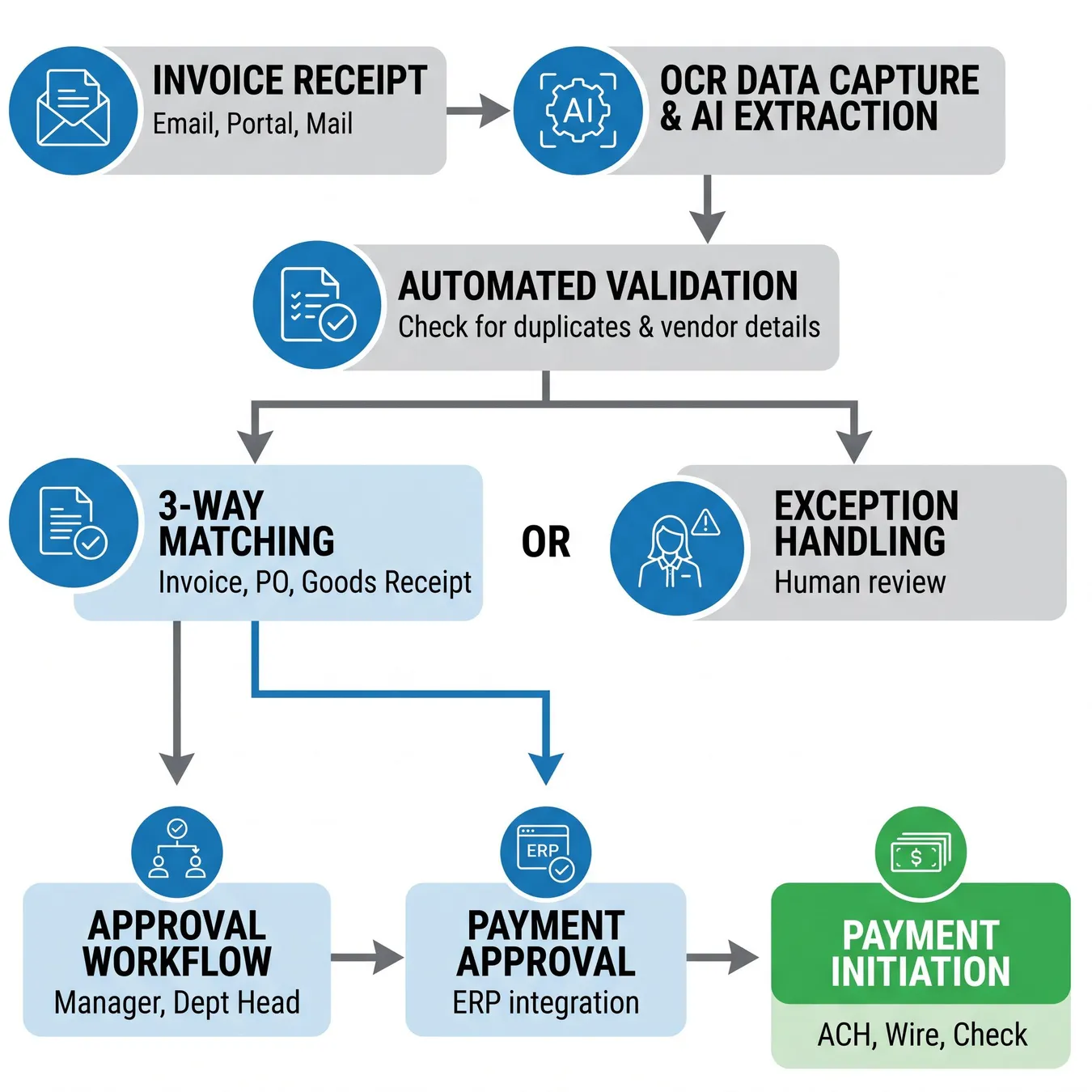
Streamlined AP automation workflow.
Sales and Marketing Operations
Automate your small business lead generation by connecting your website forms directly to your CRM and email marketing platform. This ensures no lead falls through the cracks and every prospect receives a timely follow-up.
Choosing Small Business Automation Software
The market is flooded with options, but the right small business process automation tools are those that offer both ease of use and a path to scalability. Look for software that provides robust APIs and developer-friendly documentation.
- CRM Integration
- API-First
- Scalable Logic
- Secure Data
- Cloud-Native
Best Practices for Durable Automation
Start with one small, high-impact process.
Document your automation logic thoroughly.
Monitor your workflows for errors regularly.
Use standardized data formats across tools.
Automate a broken or inefficient process.
Hard-code sensitive credentials into scripts.
Ignore the need for human-in-the-loop checks.
Over-complicate simple tasks with too many tools.
Moving from Tasks to Business Workflow Automation
True efficiency comes when you stop thinking about individual tasks and start thinking about business workflow automation. This holistic approach ensures that every department is synchronized and that data flows logically across the entire organization.
Overcoming Common Automation Challenges
The Role of AI in Small Business Automation
In 2026, AI is no longer a luxury for SMBs. Modern automation software for small business now includes LLM integrations that can summarize emails, categorize support tickets, and even draft initial responses to customer inquiries.
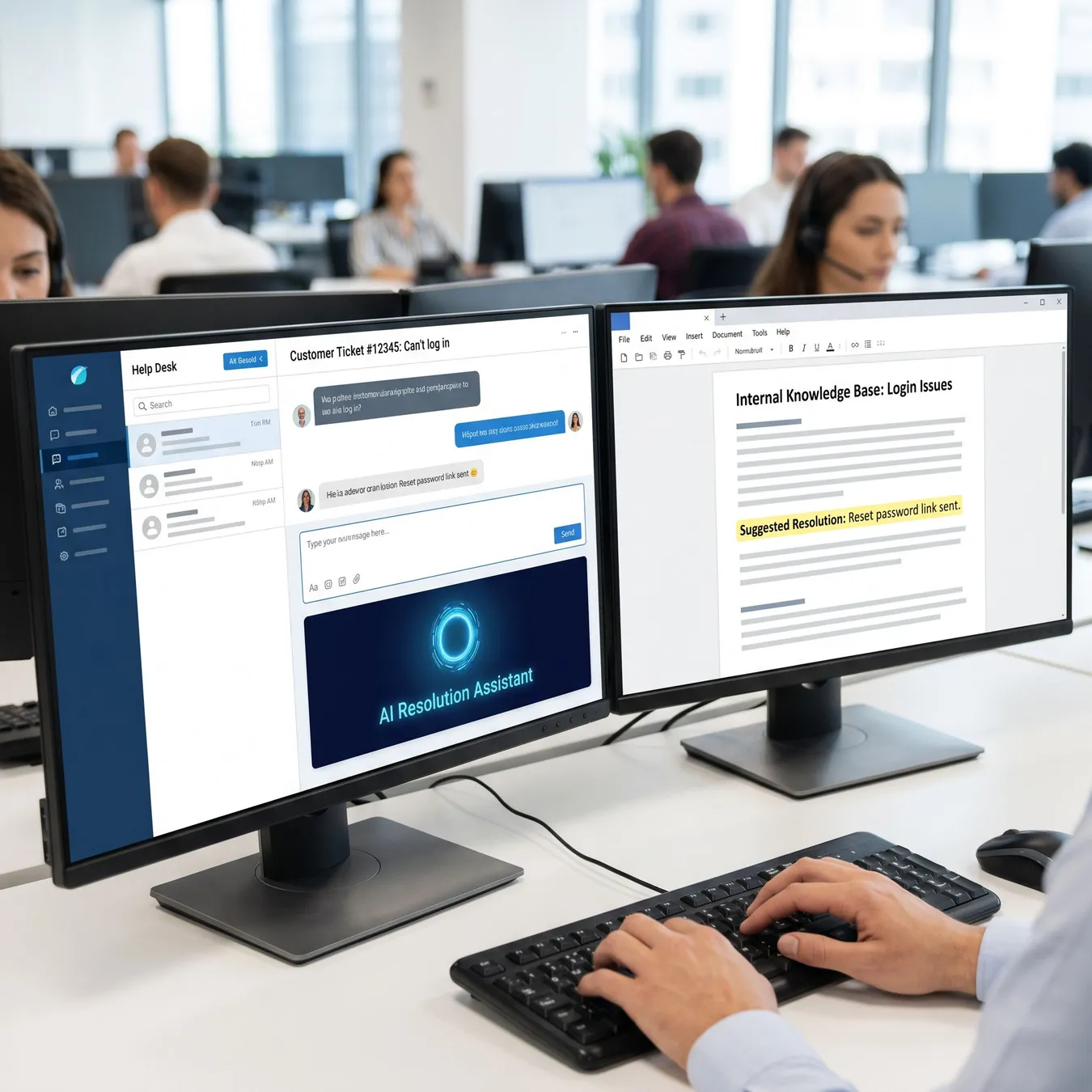
AI-driven support automation.
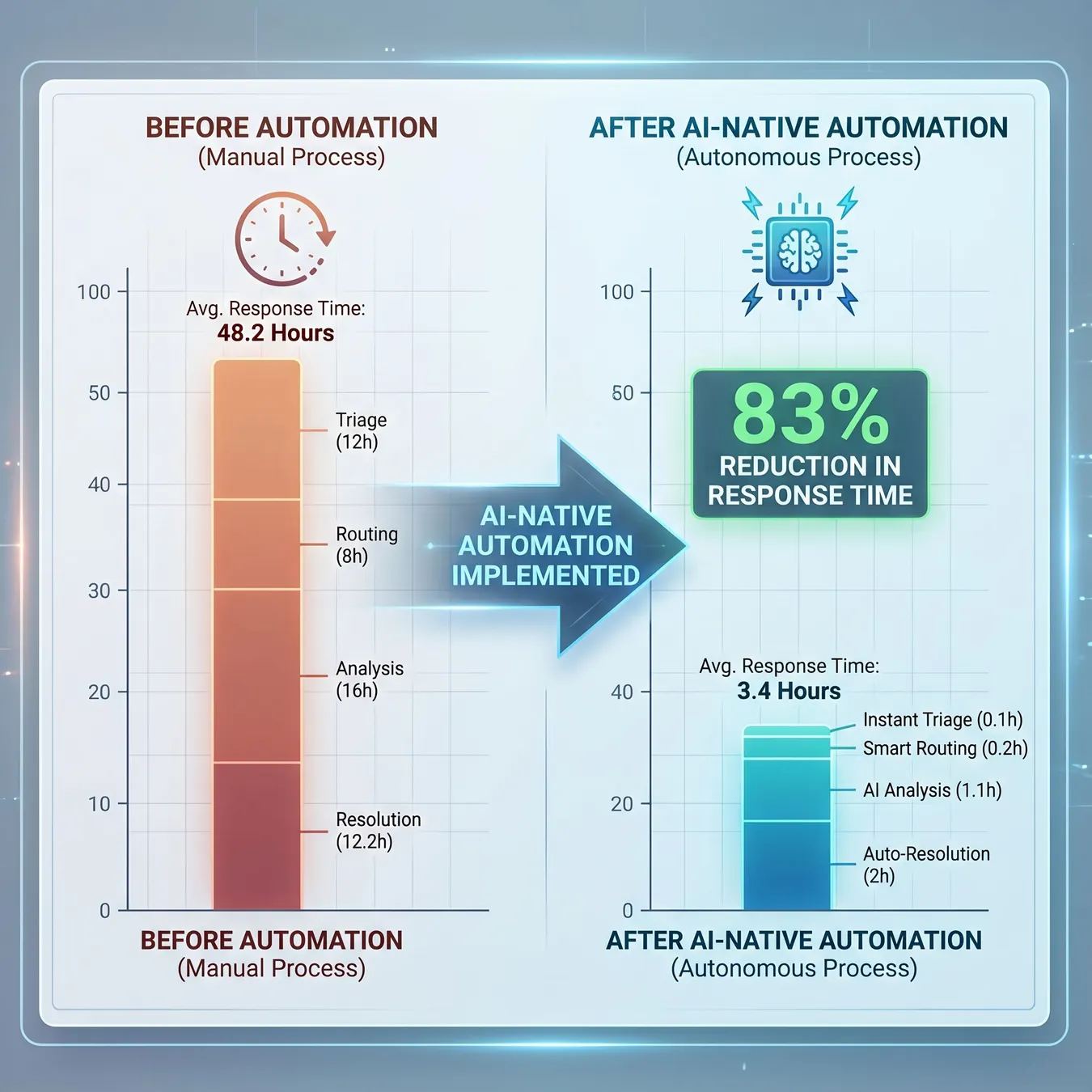
Efficiency gains with AI.
Security and Compliance in Automated Systems
As you automate, data security becomes paramount. Custom-engineered systems allow for role-based access control and detailed audit trails, which are often missing in basic no-code setups. This is essential for businesses handling sensitive customer or financial data.
How Studio 402 Bridges the Automation Gap
At Studio 402, we specialize in helping small businesses move from manual chaos to operational excellence. Whether you are struggling with a fragile no-code setup or need to build a custom workflow platform from scratch, we provide the engineering depth to make it happen.
Studio 402 turned our manual onboarding process into a seamless, automated system that saved us 20 hours a week and eliminated all data entry errors.
Sarah J. · Founder of GrowthScale
Scaling Your Automation as You Grow
Automation is not a one-time project; it's an evolving part of your business infrastructure. As your company grows, your systems must adapt to handle more users, more data, and more complex business rules without losing performance.
Audit current manual bottlenecks
Define success metrics for automation
Identify core tool integrations
Consult with an engineering partner
Deploy first high-impact workflow
Ready to Automate My Small Business?
If you are ready to stop fighting with spreadsheets and start scaling with software, it's time to build a durable foundation. We don't just build tools; we build the operational systems that power your growth.
Trusted by 50+ growth-stage companies to build production-ready systems.
Updated for 2026 standards.
Explore More Automation Resources
Build Your Scalable Automation System
Stop letting manual tasks hold your business back. Let's design and build a custom automation system that scales with you.
Frequently Asked Questions About SMB Automation
Still have questions about how to automate your small business? Here are a few more insights to help you decide on the best path forward for your operations.
- 01
Identify the process with the highest error rate.
- 02
Map the 'Happy Path' of the ideal workflow.
- 03
Determine the data sources and destinations.
- 04
Choose between off-the-shelf and custom builds.
- 05
Execute a pilot program with a small team.
The Future of Small Business Operations
The gap between small businesses and large enterprises is narrowing thanks to accessible, high-quality automation. By investing in custom-engineered systems today, you are future-proofing your business for the challenges of tomorrow.

The transformation of modern business operations.
Final Thoughts on Automation Strategy
Automation is a journey, not a destination. Start small, focus on quality, and always build with the future in mind. Your scalable system is just one conversation away.
Keep reading