
Integrating Custom Software with Automation Tools
Modern operations often start with low-code tools like Make or Zapier to move fast. However, as business logic grows complex, implementing workflow automation tools with custom software development becomes necessary to maintain security and performance.
- Hybrid Systems
- Scalability
- API Integration
- Production-Ready
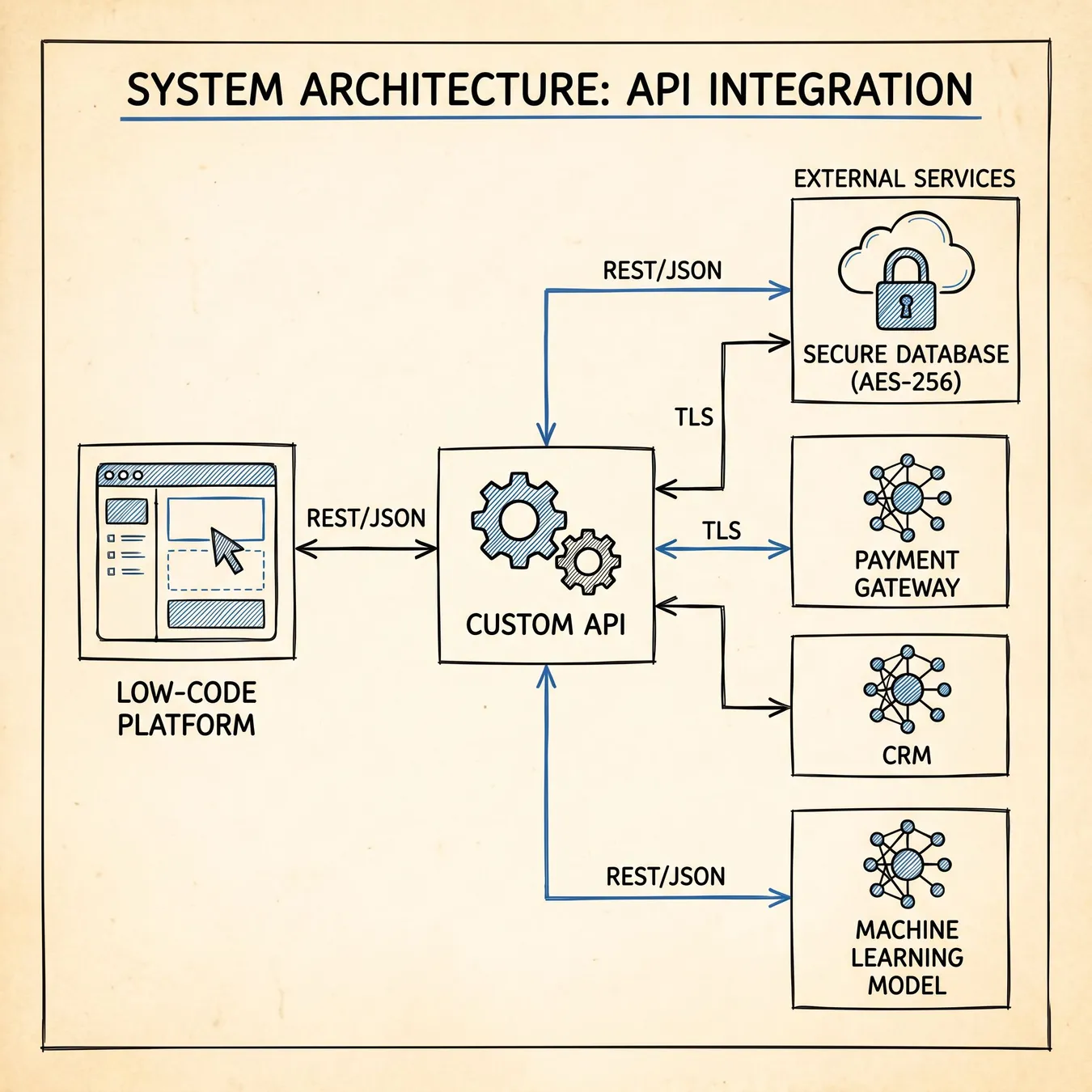
The architecture of a hybrid automation system.
Why Integrate Custom Software with Low-Code?
Low-code platforms excel at simple triggers and actions, but they often lack the depth for heavy data processing or proprietary algorithms. This is where custom software development tools low-code full-code flexibility provides a competitive edge.
- Handle complex data transformations that exceed low-code limits.
- Implement strict security protocols and data encryption.
- Reduce long-term platform costs by offloading heavy tasks to custom microservices.
- Maintain version control and automated testing for critical business logic.
The Make Low Code Extension Strategy
When using Make low code environments, you can extend functionality by building custom apps or webhooks that point to your own hosted infrastructure. This allows you to use Make for the 'glue' while keeping the 'brain' in a secure, custom codebase.
Tip.
// Pro Tip
Comparison: Pure Low-Code vs. Hybrid Systems
| Feature | Pure Low-Code | Hybrid (Custom + Low-Code) |
|---|---|---|
| Speed to Launch | Very High | Moderate |
| Logic Complexity | Limited | Unlimited |
| Security Control | Platform Dependent | Full Control |
| Maintenance | Easy but Fragile | Structured and Durable |
Steps to Implement a Hybrid Automation Architecture
- 01
Identify the bottlenecks in your current low-code workflows.
- 02
Design a custom API or microservice to handle complex logic.
- 03
Secure the connection using OAuth or API keys.
- 04
Map data flows between the automation tool and your software.
- 05
Implement error handling and logging on both sides.

Bridging the gap between visual logic and hard code.
Managing Data Integrity Across Platforms
One of the biggest risks in hybrid systems is data desynchronization. Using custom software allows you to implement atomic transactions that ensure your workflow automation software remains accurate even if a third-party API fails.
Security Best Practices for Custom Integrations
Use environment variables for all API keys.
Implement rate limiting on your custom endpoints.
Log all incoming requests from automation platforms.
Hardcode credentials in low-code modules.
Expose database credentials directly to automation tools.
Ignore error responses from your custom services.
When to Move Beyond Low-Code Entirely
If your automation costs are scaling exponentially or your scenarios are becoming impossible to debug, it may be time to transition to full operations software built specifically for your needs.
Common Integration Patterns
The Webhook Listener Pattern
In this pattern, your custom software acts as a listener. When an event occurs in a tool like Make, it sends a POST request to your server, which then executes heavy lifting like PDF generation or AI analysis.
The Proxy API Pattern
Your low-code tool communicates only with a single custom 'Proxy' API. This API handles all authentication and logic for five different third-party services, simplifying the low-code scenario.

Monitoring is critical for hybrid system health.
Performance Optimization for Hybrid Workflows
40%
Latency Reduction
65%
Cost Savings
99.9%
Uptime Goal
Case Study: Scaling a Logistics Engine
A logistics firm used Make for order intake but hit a wall with route optimization. By integrating a custom Python service, they achieved automated digital workflows that could handle 10x the volume without timing out.
Future-Proofing Your Automation Stack
Technology shifts quickly. By building a custom core, you ensure that you can swap out automation providers (e.g., moving from Zapier to Make or a custom runner) without rewriting your core business logic.
Frequently Asked Questions
The Role of Professional Engineering
Architecting these systems requires a deep understanding of both platform limitations and software engineering principles. If you are unsure where to start, workflow automation consulting can prevent costly architectural mistakes.

Quality code is the foundation of reliable automation.
Checklist for Integration Readiness
Documented API endpoints for custom services.
Defined error-handling protocols for failed requests.
Security audit of data flow between platforms.
Monitoring and alerting set up for the custom backend.
Bridging the Gap with Studio 402
At Studio 402, we specialize in helping companies outgrow the 'no-code ceiling.' We don't just build apps; we design the execution infrastructure that allows your business to scale without the fragility of basic automation setups.
The most successful companies use low-code for speed and custom software for durability. Our job is to build the bridge between them.
Technical Director · Studio 402
Ready to Harden Your Automation?
If your current tools are breaking under load or your logic has become too complex for a visual builder, it's time to bring in professional engineering. We help you transition from prototypes to production-grade systems.
Build a System That Doesn't Break
Let's discuss how to integrate custom software into your automation stack for better scale and security.
Explore Advanced Automation Topics
Keep reading
More in Workflow Automation & Systems
Trusted by growth-stage teams to build production-ready software.
Studio 402 Engineering Standards
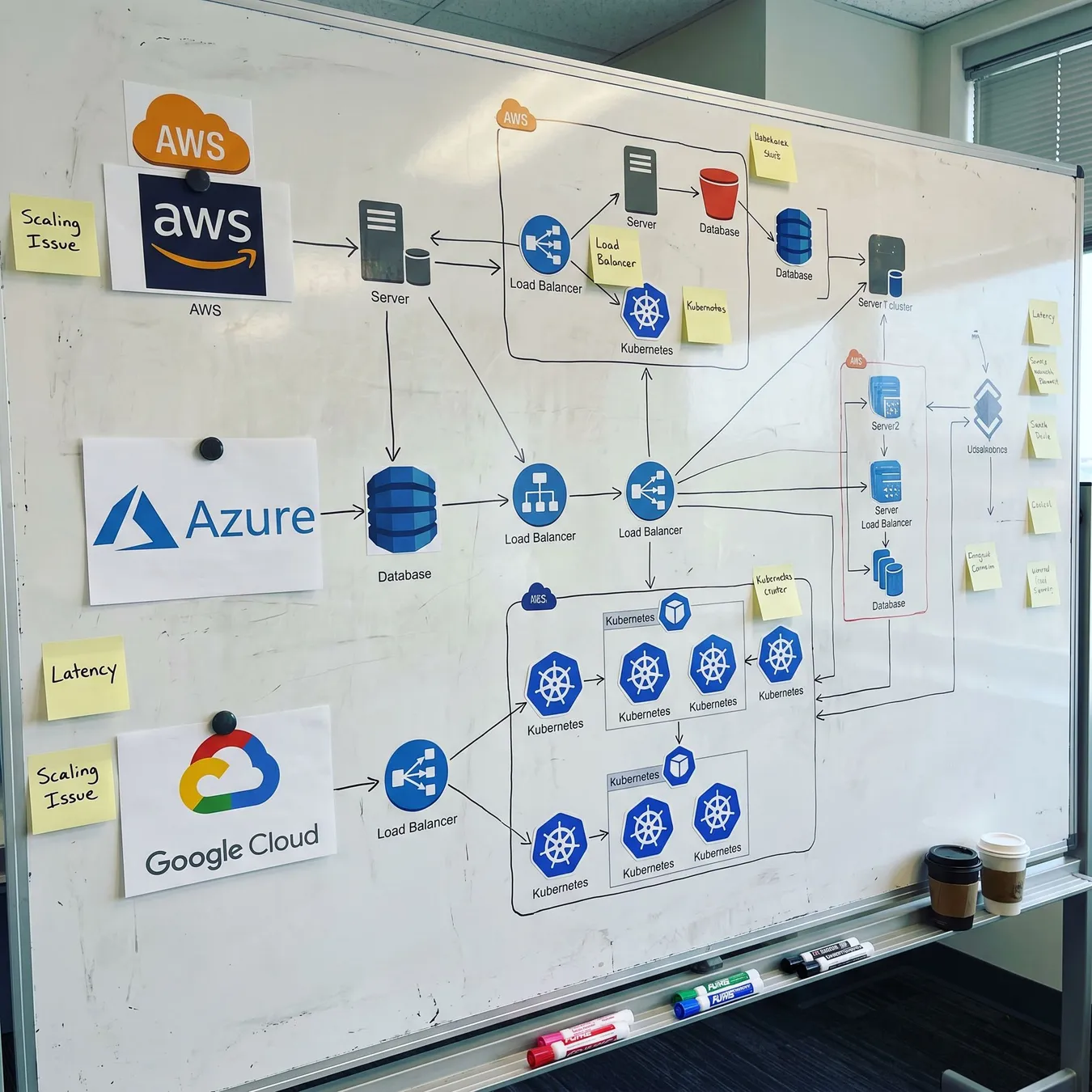
Cloud Native Architecture
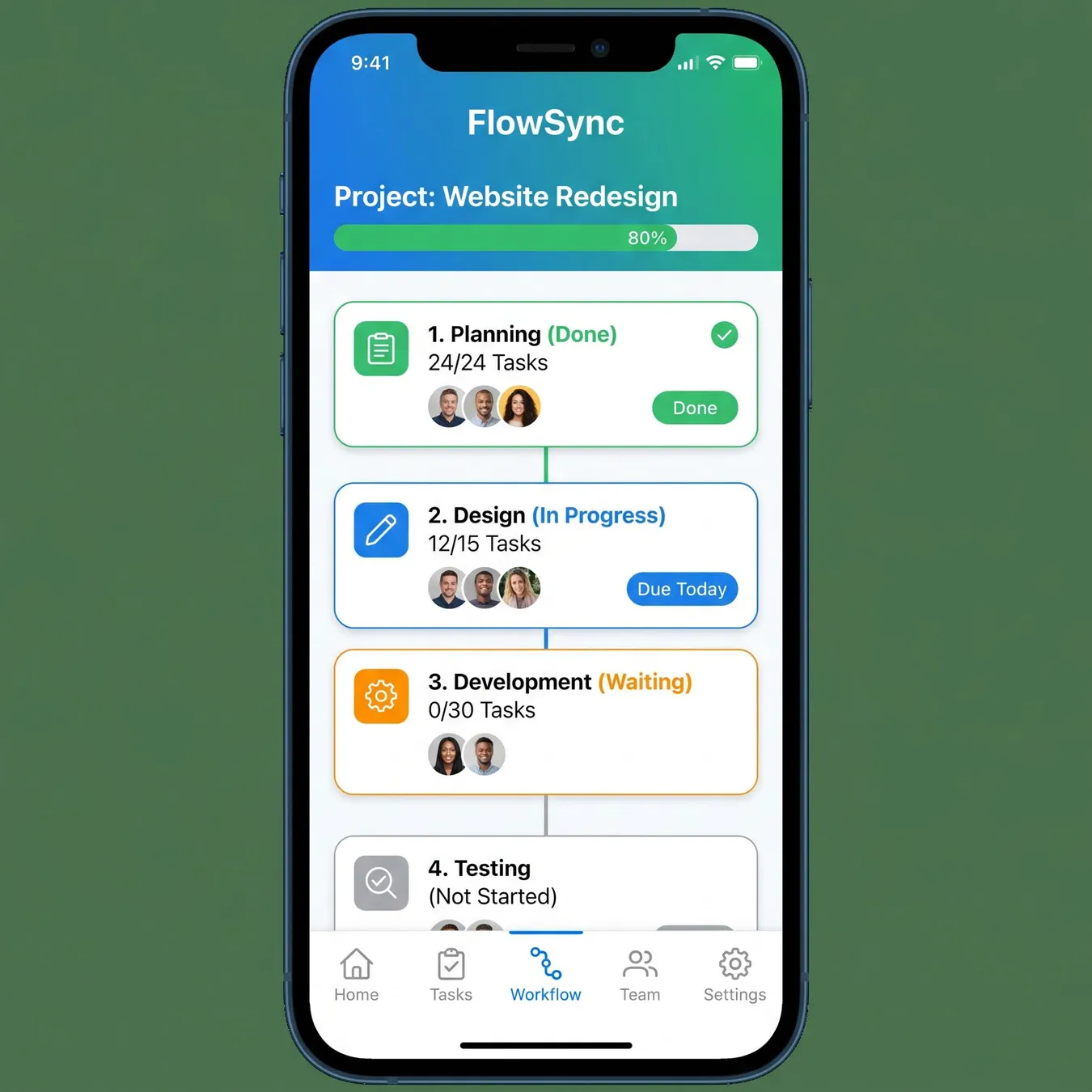
Custom Operational Interfaces
Whether you are building a new MVP or rescuing a fragile prototype, the integration of custom code is the key to long-term stability. Contact us today to start your build.
Final Thoughts on Hybrid Architecture
The goal is never just 'automation'—it is a system that supports your business goals without constant manual intervention or technical failure.