
Architecting Multi-Agent AI for Operational Intelligence
Multi-agent ai operational intelligence represents the next evolution in enterprise software, moving beyond static dashboards to systems that reason and act. By coordinating specialized software agents, organizations can manage complex business logic and data orchestration at a scale previously impossible for manual teams.
- Enterprise AI
- Agentic Workflows
- Operational Intelligence
- Technical Guide
Understanding the Software Agent in AI
A software agent in ai is an autonomous entity capable of perceiving its environment, reasoning about goals, and executing tasks. Unlike traditional scripts, these agents use large language models to handle ambiguity and make decisions based on real-time operational data.
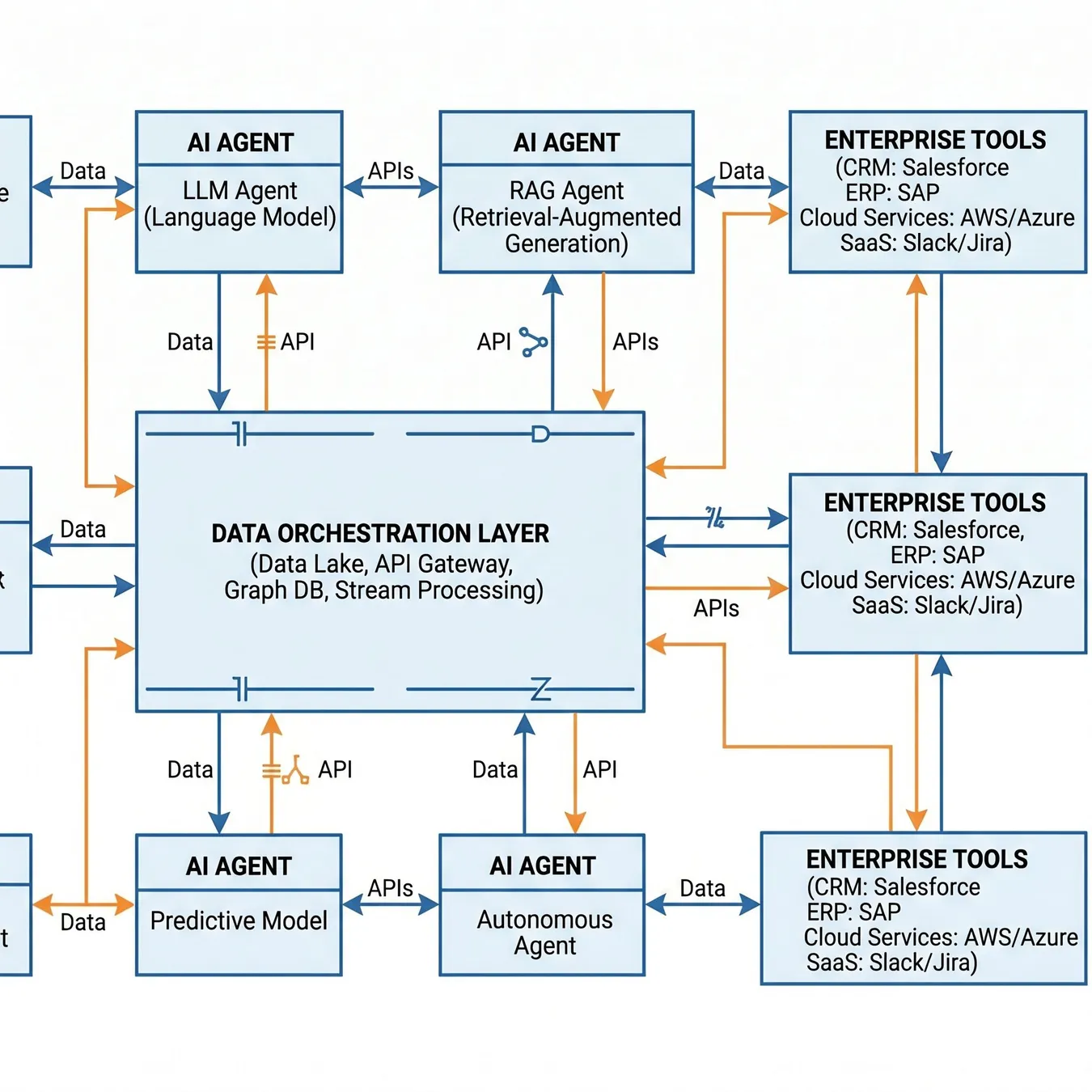
Conceptual architecture of a multi-agent coordination layer.
The Role of Artificial Intelligence and Intelligent Agents
The synergy between artificial intelligence and intelligent agents allows for the creation of 'agentic analytics solutions' that don't just report data but interpret it. These systems act as digital coworkers, managing specific domains like supply chain logistics or financial reconciliation.
40%
Reduction in manual data triage
24/7
Autonomous monitoring capacity
10x
Faster response to operational anomalies
Core Components of Multi-Agent Architecture
- Orchestration Layer: The 'manager' agent that assigns tasks and resolves conflicts.
- Specialized Domain Agents: Agents with access to specific tools (SQL, APIs, CRM).
- Shared Memory: A vector database or state store for cross-agent context.
- Communication Protocol: Standardized messaging for agent-to-agent negotiation.
- Guardrails: Policy-based constraints to ensure safety and compliance.
Operational Intelligence vs. Traditional Automation
Trade-off
3 pros · 3 cons
Pros
Handles unstructured data and edge cases
Self-corrects when API responses change
Scales horizontally across business functions
Cons
Requires higher initial compute costs
Demands rigorous observability and logging
Complex debugging across asynchronous agents
Designing Agentic Analytics Solutions Integrating AI Copilots
Modern enterprises are increasingly deploying agentic analytics solutions integrating ai copilots to bridge the gap between raw data and executive decision-making. These copilots serve as the interface for humans to interact with the underlying multi-agent swarm.
Data Orchestration Strategies
Effective orchestration requires agents to have a unified view of the operational landscape. This is often achieved through RAG (Retrieval-Augmented Generation) pipelines that feed real-time telemetry into the agent's reasoning loop.
How Companies Using AI Agents Succeed
Leading companies using ai agents focus on high-leverage bottlenecks. For example, a global logistics firm might use one agent to track shipments, another to predict delays, and a third to automatically re-route cargo based on cost-benefit analysis.
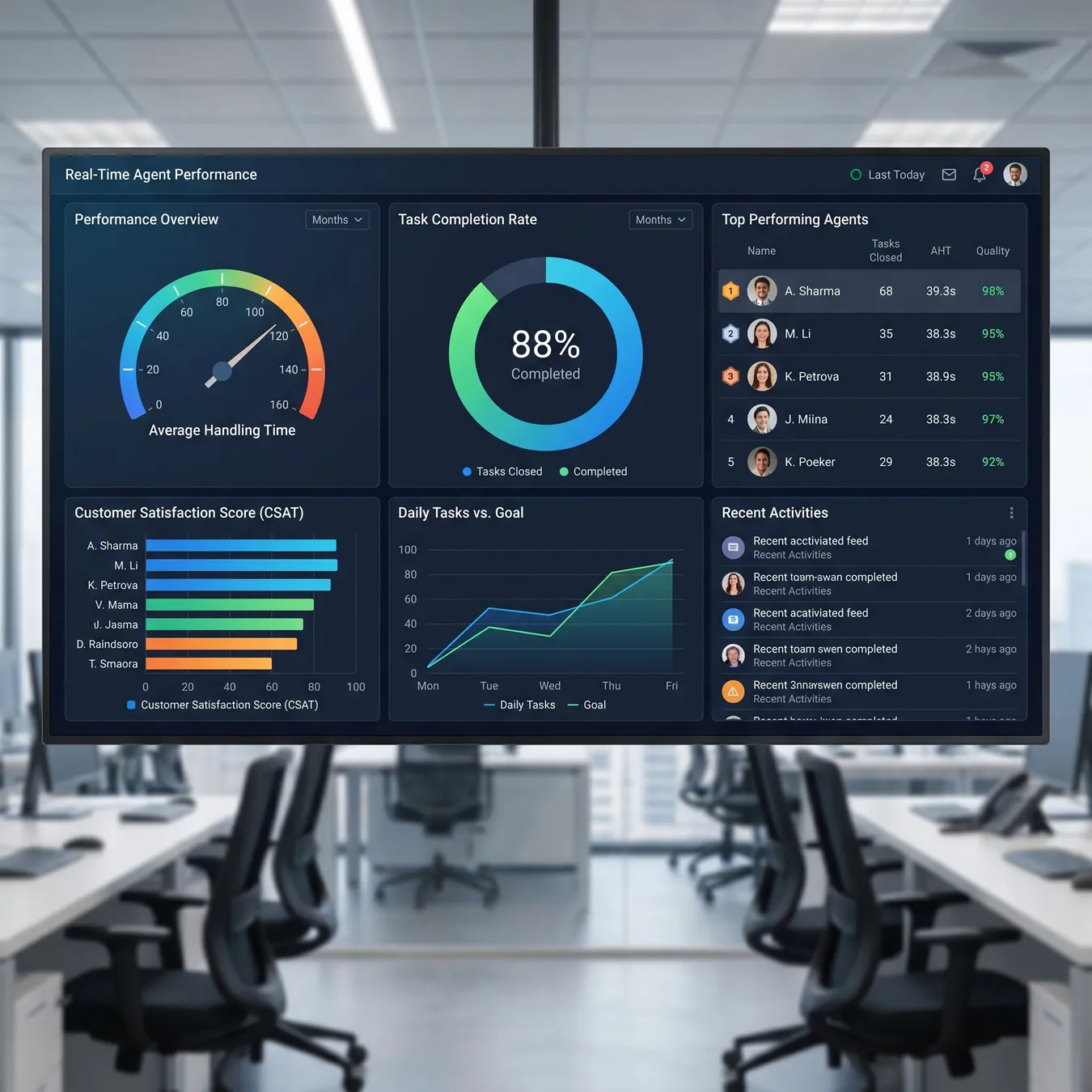
Operational intelligence dashboard.
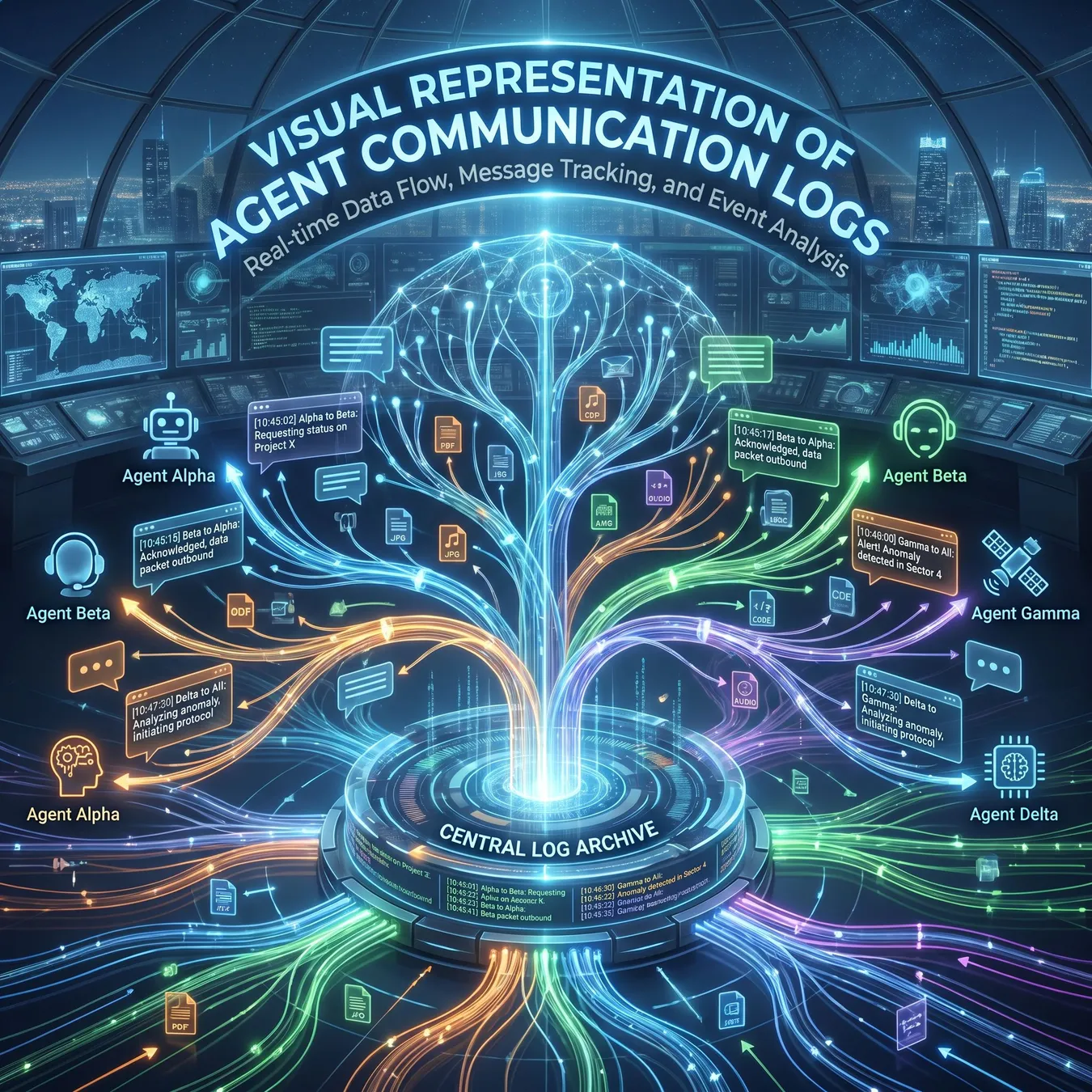
Inter-agent communication audit.
The Engineering Stack for Multi-Agent Systems
Building these systems requires a robust set of tools for ai development. From orchestration frameworks like LangGraph or CrewAI to robust infrastructure, the stack must support high-concurrency and long-running stateful processes.
Operational Intelligence Enterprise Software Requirements
SOC2 compliant data handling for all agent inputs
Real-time audit logs for every agent decision
Human-in-the-loop triggers for high-value actions
Latency monitoring for LLM inference calls
Safety and Oversight in Agentic Systems
Autonomy should never mean lack of control. Implementing human-in-the-loop services for ai agents ensures that while the system handles the heavy lifting, critical business decisions remain under human supervision.
Step-by-Step: Deploying a Multi-Agent System
01 / 04
phase 01 / 04
Domain Mapping
phase 02 / 04
Agent Definition
phase 03 / 04
Orchestration Design
phase 04 / 04
Pilot & Hardening
Common Pitfalls in Agentic AI Design
Start with a single clear use case before scaling
Implement strict output parsing and validation
Use small, specialized models for simple tasks
Give agents unrestricted access to write-APIs
Assume agents will always follow instructions perfectly
Ignore the cost of recursive agent loops
Scaling to Enterprise Intelligent Automation
As multi-agent systems mature, they become the backbone of enterprise intelligent automation. This transition requires moving from experimental scripts to production-grade infrastructure that can handle thousands of concurrent agentic threads.
The Future of Operational Intelligence
The shift from 'AI as a tool' to 'AI as a teammate' is the defining characteristic of modern operational intelligence. Multi-agent systems are the architecture that makes this teammate reliable.
Technical Lead · Studio 402 Systems Architect
Frequently Asked Questions
Bridging Theory to Production with Studio 402
At Studio 402, we specialize in artificial intelligence integration that goes beyond the demo. We help companies move from fragile prototypes to durable, multi-agent systems that solve real operational bottlenecks.
Info.
// Production-Ready Agents
Take the Next Step in Your AI Journey
Whether you are looking to rescue a vibe-coded prototype or architect a new enterprise-scale system, our team provides the senior engineering leadership required for success.
Build Your Multi-Agent System
Ready to turn operational drag into automated intelligence? Let's architect a system that scales with your business.
Deepen Your Knowledge
Keep reading
More in AI Integration & Workflow Automation
Trusted by growth-stage teams to ship production-ready AI.
Studio 402 Engineering Standards 2026
Technical Implementation Details
For engineers looking to implement these patterns, focus on the 'State' object within your orchestration loop. A well-defined state allows agents to resume tasks after interruptions and provides a clear audit trail for debugging complex multi-step workflows.
| Feature | Single Agent | Multi-Agent Swarm |
|---|---|---|
| Complexity | Low | High |
| Reliability | Medium | High (via verification) |
| Task Breadth | Narrow | Broad/End-to-End |
Agent Communication Patterns
We recommend a 'Hub and Spoke' model for most operational intelligence software. A central orchestrator manages the high-level plan while leaf agents execute specific sub-tasks, reporting back only when a milestone is reached or an error occurs.
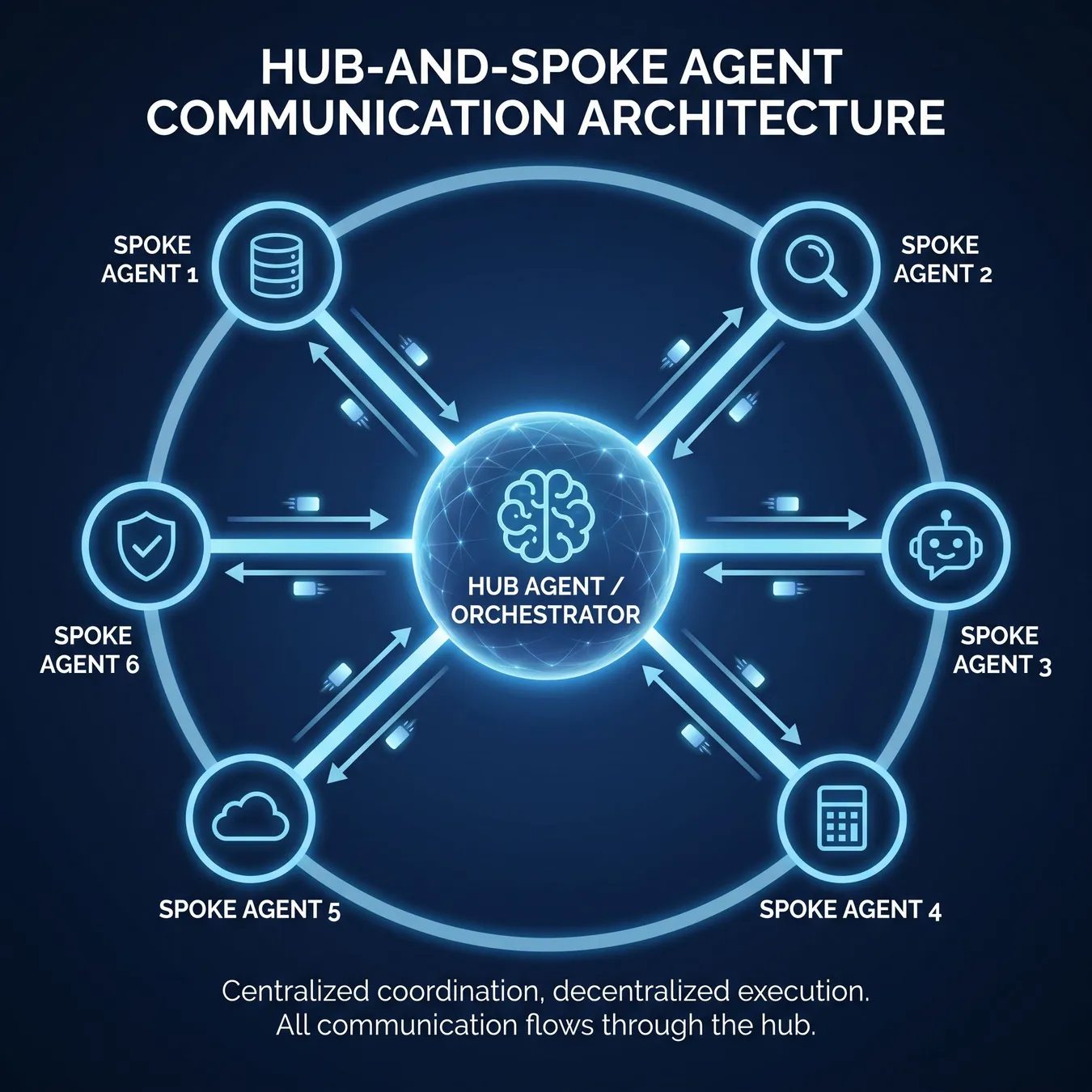
Hub-and-spoke orchestration model.
Handling Agent Latency
In production, LLM latency can be a bottleneck. Use asynchronous processing and streaming responses to ensure that the operational intelligence system remains responsive, even when complex reasoning is happening in the background.
Ultimately, the goal of architecting these systems is to provide a durable foundation for business growth. By offloading cognitive labor to coordinated agents, your team can focus on strategy and high-value customer interactions.
Studio 402 remains committed to building software that survives real-world use. If you're ready to move beyond the hype and build systems that work, we're here to help.