
Overview
Enterprise Intelligent Automation
Architecting production-ready AI systems that move beyond prototypes to deliver secure, scalable operational leverage for the modern enterprise.

Engineering Scalable Enterprise AI Systems
Enterprise intelligent automation represents the shift from experimental AI to durable, production-grade systems. Unlike simple chatbots, these systems are architected to handle complex business logic, maintain high security standards, and scale across global operations without breaking under load.
99.9%
System Uptime
40%
Ops Efficiency Gain
Zero
Data Leakage Incidents
The Core Pillars of Enterprise Artificial Intelligence
Building enterprise artificial intelligence requires a focus on reliability and security. It is not just about the model; it is about the surrounding infrastructure that ensures data privacy, auditability, and consistent performance across diverse enterprise ai applications.
- Secure Data Orchestration: Ensuring PII and sensitive data never leave the secure perimeter.
- Durable Infrastructure: Cloud-native architectures that support high-concurrency LLM requests.
- Human-in-the-Loop Oversight: Critical for high-stakes decision-making and compliance.
- Observability: Real-time monitoring of agent performance and cost metrics.
Architecting Enterprise AI Agents for Production
Modern enterprise ai agents must be more than just reactive; they must be proactive and integrated into the core business logic. This requires sophisticated agentic ai workflows that can handle multi-step reasoning and tool usage.
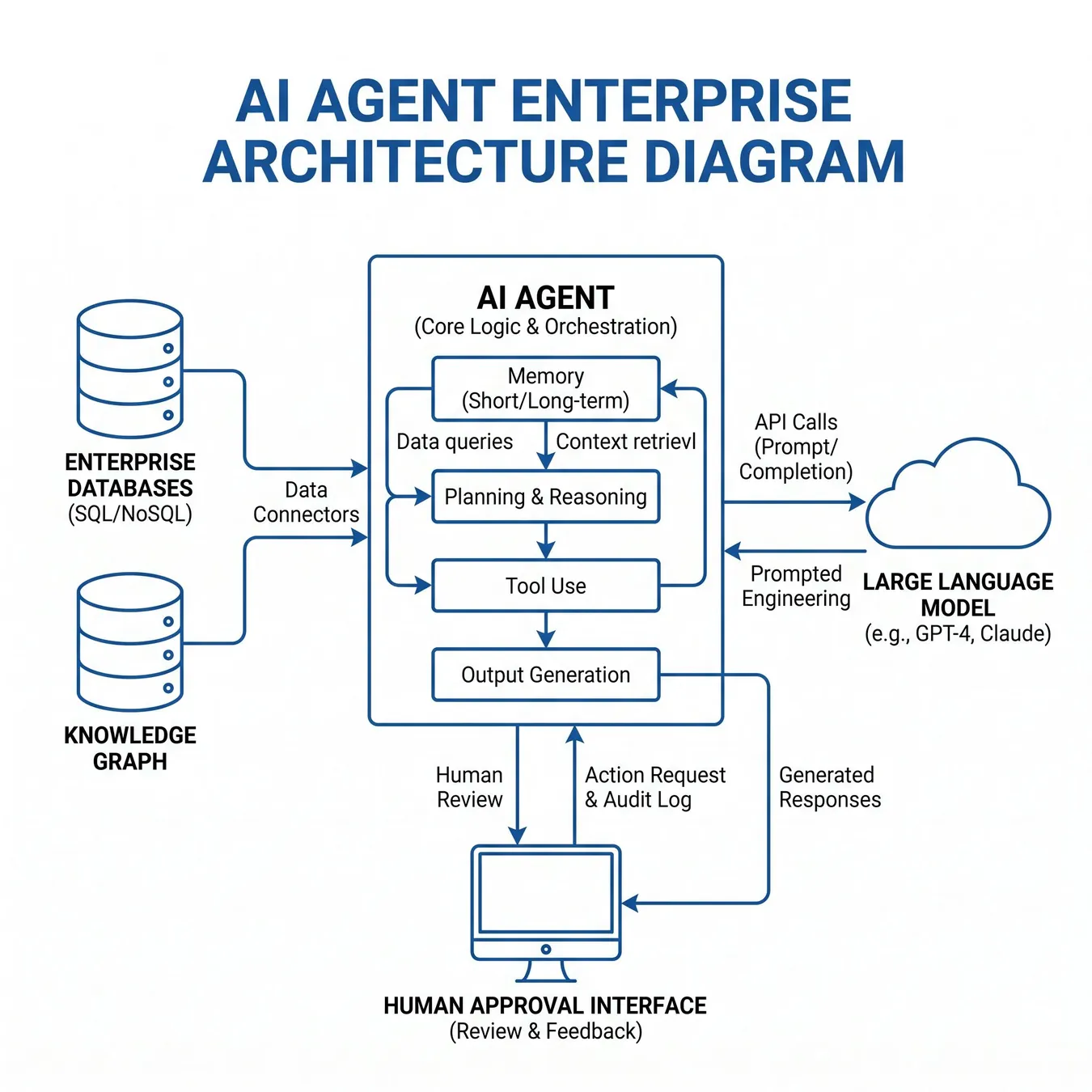
Production-ready AI agent architecture with human oversight.
Ensuring Security in Enterprise AI Integration LLM
When handling enterprise ai integration llm, security is the primary bottleneck. Organizations must implement robust prompt engineering, output sanitization, and strict IAM roles to prevent unauthorized data access or prompt injection attacks.
Use private VPCs for LLM hosting
Implement strict rate limiting on AI endpoints
Audit all agent actions with immutable logs
Send raw customer data to public APIs
Allow agents to execute code without sandboxing
Hardcode API keys in agent prompts
Selecting Durable Enterprise Automation Tools
The market is flooded with prototypes, but enterprise automation tools must be selected based on their ability to integrate with legacy systems and maintain compliance. We often recommend custom-built solutions when off-the-shelf tools hit scalability ceilings.
| Feature | Off-the-Shelf Tools | Custom Enterprise AI |
|---|---|---|
| Security | Shared Cloud | Private/Dedicated |
| Integration | API Only | Deep System Access |
| Scalability | Tiered Limits | Unlimited/Elastic |
The Engineering Lifecycle of AI Systems
01 / 04
phase 01 / 04
Discovery & Audit
phase 02 / 04
Architecture Design
phase 03 / 04
Pilot Development
phase 04 / 04
Scaling & Integration
Integrating AI into Existing Ecosystems
For many organizations, the challenge is integrating artificial intelligence into legacy stacks. This involves creating middleware that bridges modern LLM capabilities with stable, older databases and enterprise workflow tools.
Info.
// Integration Tip
Human-in-the-Loop: The Safety Standard
Autonomous agents are powerful, but high-stakes operations require human-in-the-loop services for ai agents. This ensures that every critical decision is reviewed by a subject matter expert before execution.
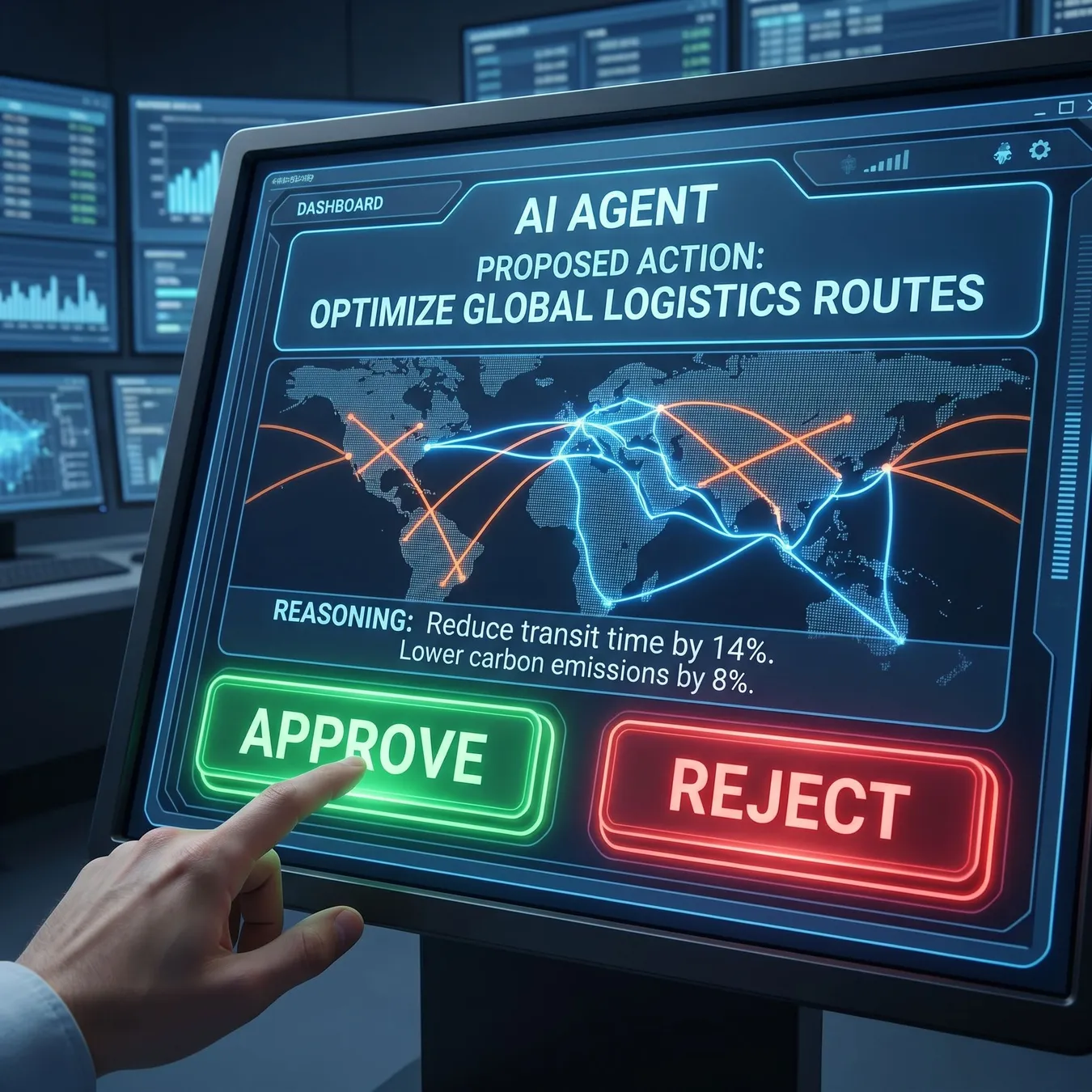
Human-in-the-loop approval interface.
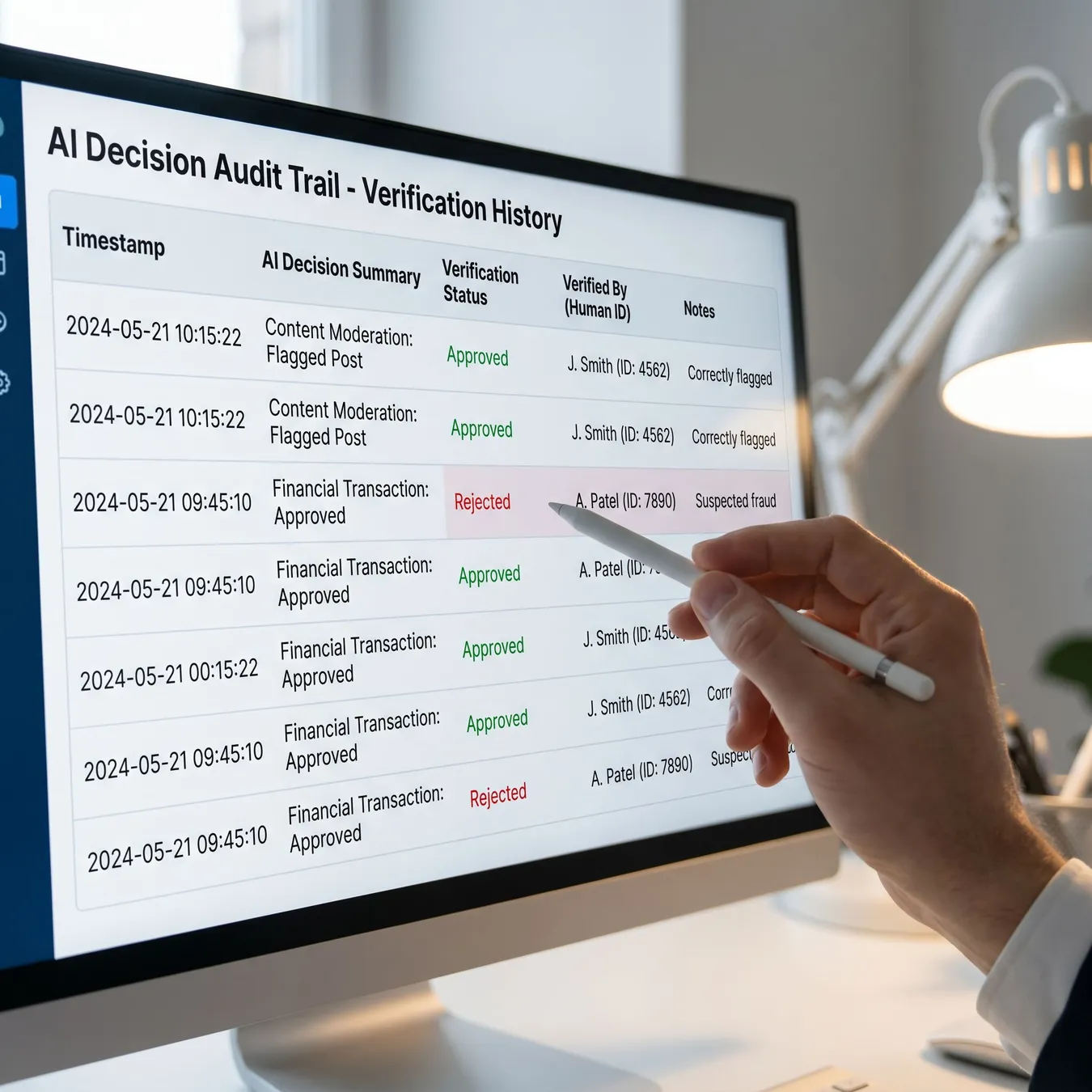
Immutable audit trails for AI actions.
Performance and Cost Optimization
Scaling enterprise AI applications requires a deep understanding of token costs and latency. We use techniques like semantic caching and model distillation to keep operational costs low while maintaining high performance.
Implement semantic caching for frequent queries
Use smaller, specialized models for simple tasks
Monitor token usage per department or agent
Common Challenges in Enterprise AI
Bridging the Gap with Studio 402
At Studio 402, we don't just build demos. We specialize in rescuing fragile prototypes and engineering durable software foundations that grow with your business. Whether you are starting from zero or fixing a broken AI integration, we bring production-first discipline to every project.
Studio 402 turned our experimental AI agent into a production-ready system that now handles 60% of our back-office approvals with total reliability.
Sarah Jenkins · CTO, GrowthScale Logistics
Why Engineering Matters for AI
The difference between a toy and a tool is engineering. Enterprise intelligent automation requires a partner who understands cloud infrastructure, security protocols, and the nuances of LLM orchestration at scale.
Trusted by growth-stage companies to build production-ready AI systems.
Over 50 successful production launches in 2026.
Next Steps for Your AI Strategy
Ready to move beyond the hype and build something that actually works? Our team is ready to help you architect, build, and scale your enterprise AI applications.
Build Your Production AI System
Stop experimenting and start shipping. Let's build a durable AI foundation for your enterprise.
Frequently Asked Questions
Technical Considerations for 2026
As we move through 2026, the focus has shifted from 'can it work' to 'can it scale safely'. We prioritize observability and cost-management from day one.
- Real-time latency monitoring for global users.
- Automated model fallback for high reliability.
- Granular permissioning for agentic tool access.
- Continuous evaluation of model performance.
The Role of RAG in Enterprise Systems
Retrieval-Augmented Generation is the backbone of modern enterprise AI, allowing agents to access proprietary knowledge without retraining models.
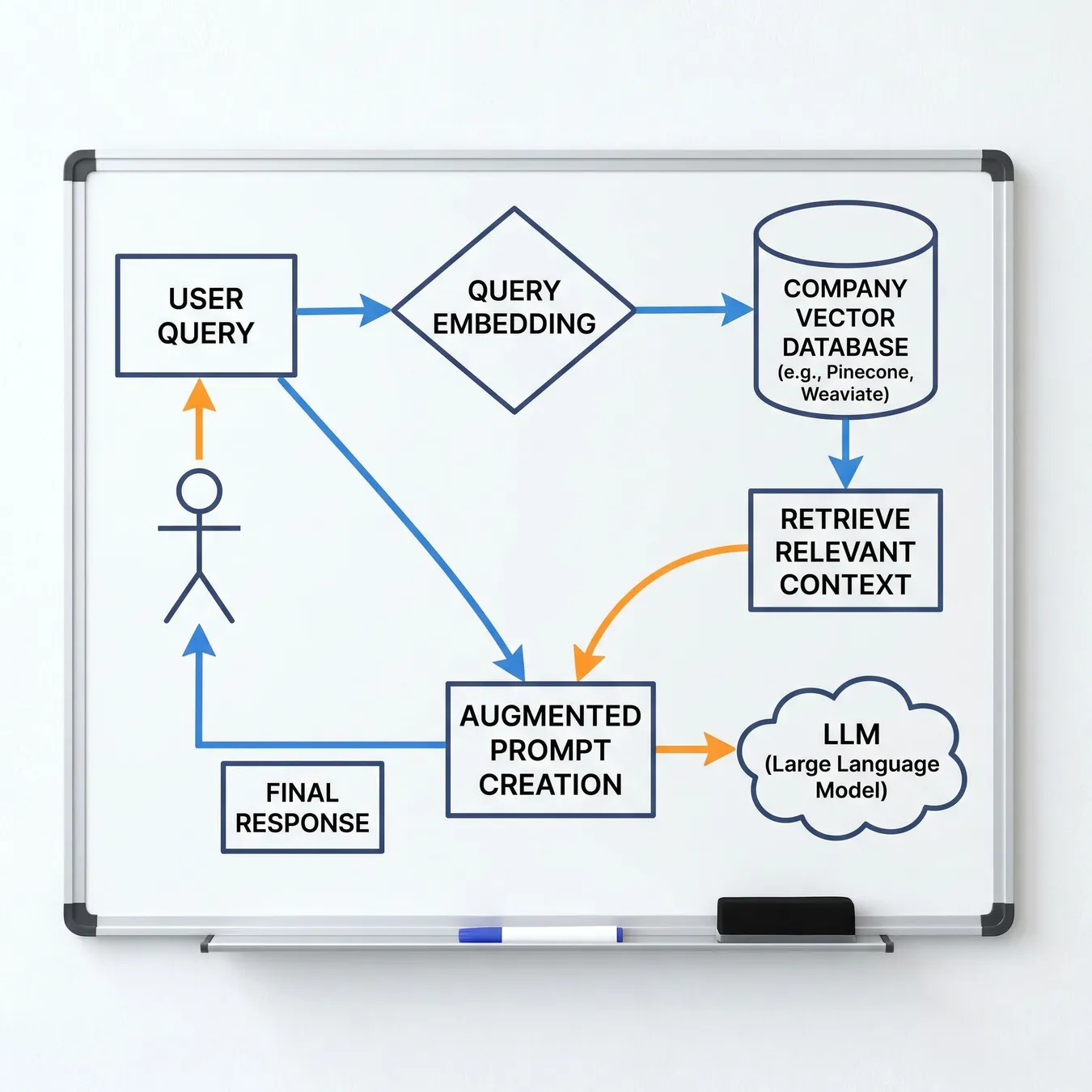
The RAG process for accurate enterprise AI responses.
Building for Long-Term Maintainability
We build systems that your team can actually manage. This includes clear documentation, automated testing for prompts, and modular architectures.
- 01
Define clear success metrics for each automation.
- 02
Build modular agent components that can be updated independently.
- 03
Implement automated regression testing for all AI outputs.
- 04
Establish a clear path for human intervention.
Conclusion: The Path Forward
Enterprise intelligent automation is no longer a luxury—it is a requirement for scale. By focusing on engineering discipline and security, you can turn AI into a true competitive advantage.
- Enterprise AI
- Automation
- Scalable Systems
- Secure Integration
Keep reading
More in AI Integration & Workflow Automation
Studio 402 is a product engineering studio that designs, builds, and scales custom software. We help ambitious operators turn operational bottlenecks into durable systems.
Our approach combines platform depth with AI-native systems design to ship faster and fix what doesn't scale. Contact us today to discuss your project.
From MVP development to complex enterprise integrations, we are your partner for production-ready outcomes.
Located remotely and serving international English-speaking buyers with a focus on high-trust, high-craft engineering.
Ready to start? Reach out to studio@402.studio to begin the conversation about your enterprise automation needs.