
Quality Assurance Strategies for Long-Lifecycle Software
Building software intended to last a decade or more requires a fundamental shift in how we approach quality. Standard testing cycles are insufficient for assets that must survive multiple generations of infrastructure, library updates, and security threats.
Effective quality assurance strategies for long lifecycle software products prioritize durability over speed. This involves creating a testing architecture that is as resilient as the production code it validates, ensuring that performance and security remain stable across years of iteration.
10+ Years
Target Lifecycle
85%
Maintenance Cost Reduction
Zero
Critical Regression Tolerance
Foundational Principles of Durable QA
A long-term QA strategy must be decoupled from transient UI changes. By focusing on the core business logic and API contracts, you ensure that your quality gates remain functional even as the frontend is modernized.
- Immutable test data sets for consistent benchmarking
- Strict versioning of testing environments
- Automated regression suites covering 90% of core paths
- Continuous security scanning integrated into the build
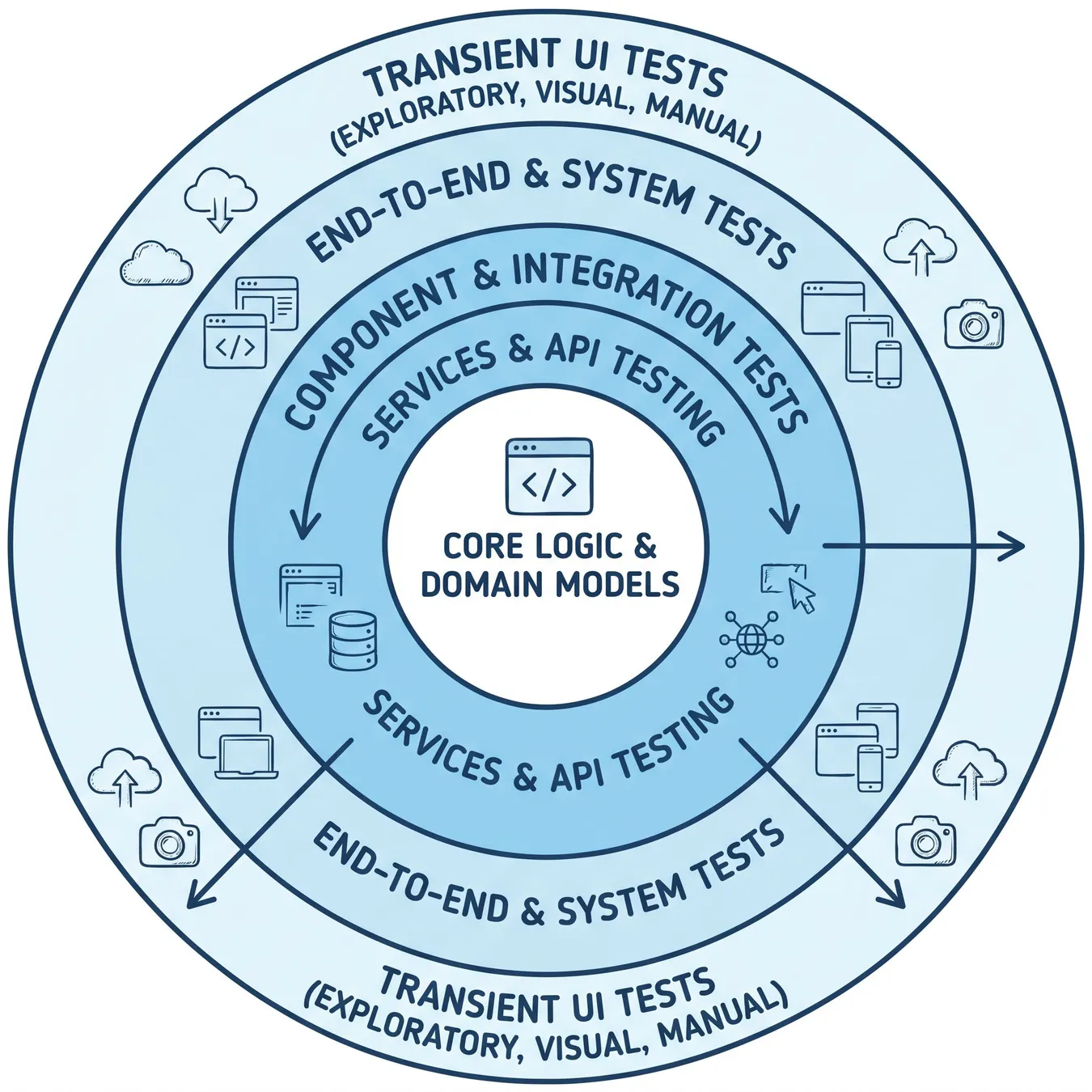
Layered QA architecture ensures long-term stability.
Implementing Software Quality Assurance Automation
To maintain velocity over years, you must implement software quality assurance automation that is maintainable. Brittle tests are the primary cause of technical debt in long-lived systems.
Use page object models for UI tests
Mock external dependencies to prevent flakiness
Run performance benchmarks on every release
Hardcode environment-specific variables
Rely on manual smoke tests for core features
Ignore warnings in the CI/CD pipeline
The Role of Quality Control Software
Integrating specialized quality control software into your production environment allows for real-time monitoring of system health. This proactive approach identifies regressions before they impact users.
Info.
// Production Monitoring
Modernizing with Software Testing AI
Leveraging software testing ai can significantly reduce the manual overhead of test maintenance. AI-driven tools can self-heal tests when non-breaking UI changes occur.
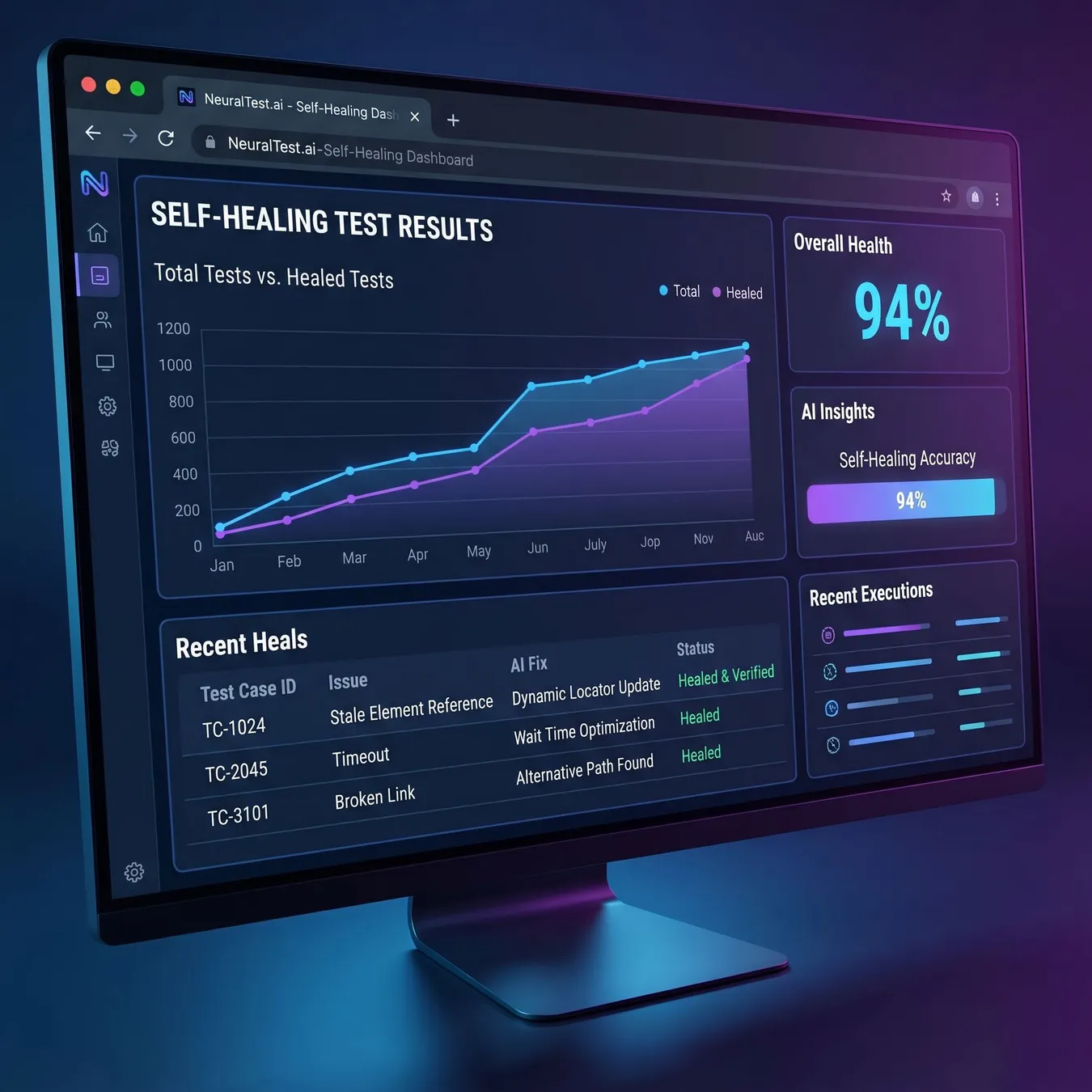
AI tools reducing test maintenance.
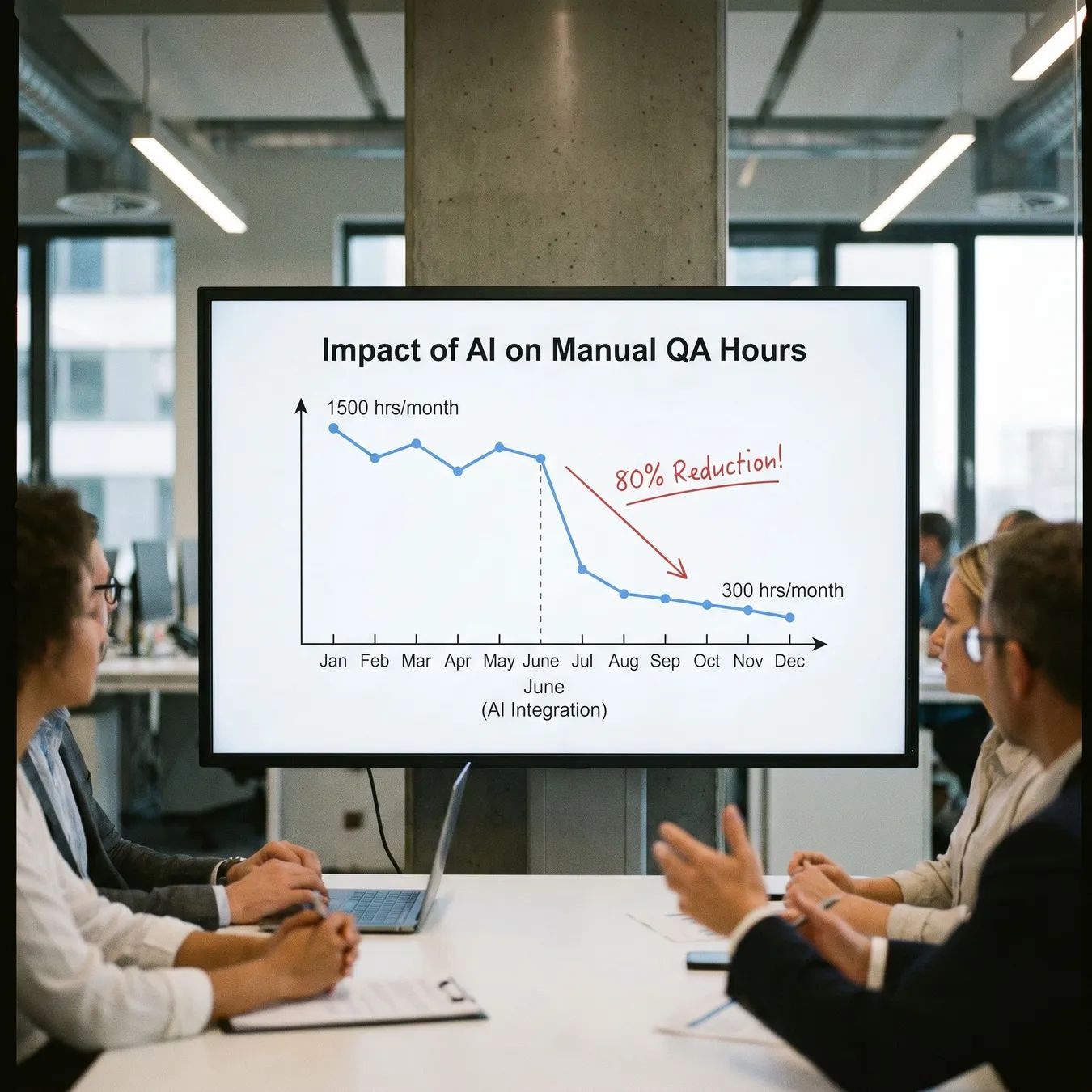
Efficiency gains from AI-native QA.
Automating the Full Development Lifecycle
To ensure durability, you must automate software development lifecycle stages from requirements to retirement. This creates a traceable audit trail for every change made over the decade.
01 / 04
phase 01 / 04
Requirement Validation
phase 02 / 04
Continuous Integration
phase 03 / 04
Automated Deployment
phase 04 / 04
Post-Launch Audit
Regression Testing for Legacy Support
As software ages, the risk of breaking legacy features increases. A robust regression strategy involves maintaining a library of 'golden' data sets that represent every major use case.
| Test Type | Frequency | Target Outcome |
|---|---|---|
| Unit Tests | Per Commit | Logic Accuracy |
| Integration Tests | Daily | System Cohesion |
| Security Scans | Weekly | Vulnerability Mitigation |
| Load Testing | Monthly | Scalability Verification |
Security and Compliance Over Time
Security is not a one-time event. For long-lifecycle products, automated dependency scanning is critical to identify vulnerabilities in third-party libraries as they are discovered.
Automated SBOM (Software Bill of Materials) generation
Real-time CVE monitoring for all dependencies
Static and dynamic application security testing (SAST/DAST)
Performance Benchmarking Strategies
Performance degradation often happens slowly. By establishing baseline metrics and running automated performance tests, you can catch 'death by a thousand cuts' before it ruins the user experience.
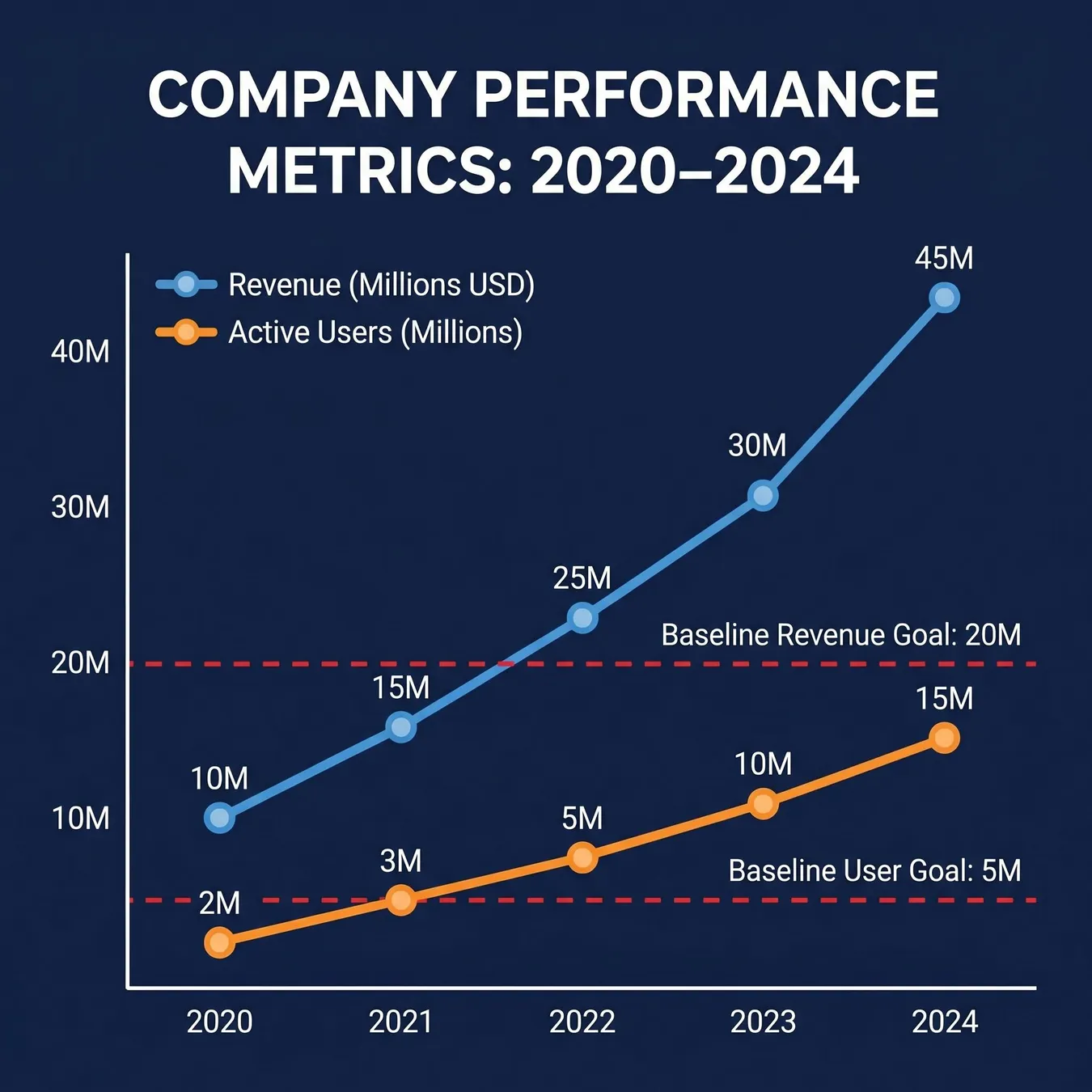
Tracking performance trends over multiple years.
Data Integrity and Migration Testing
Long-lived products inevitably face database migrations. QA strategies must include automated data validation to ensure no information is lost or corrupted during schema updates.
Warning.
// Migration Risks
The Human Element in Long-Term QA
While automation is key, human oversight ensures that the software remains aligned with evolving business goals. Periodic manual audits of the test suite are necessary to prune obsolete checks.
The goal of long-lifecycle QA is not just to find bugs, but to prove that the system still meets the original intent while adapting to a changing world.
Senior Systems Architect · Studio 402
Infrastructure as Code for Testing
To ensure tests are reproducible in five years, the testing infrastructure itself must be versioned and managed as code. This prevents 'it works on my machine' syndrome across generations of developers.
- Containerized test environments
- Version-controlled CI/CD pipelines
- Automated environment provisioning
- Immutable infrastructure for staging
Documentation as a Quality Asset
In a decade, the original developers will likely be gone. High-quality, automated documentation ensures that the knowledge of how to test and maintain the system persists.
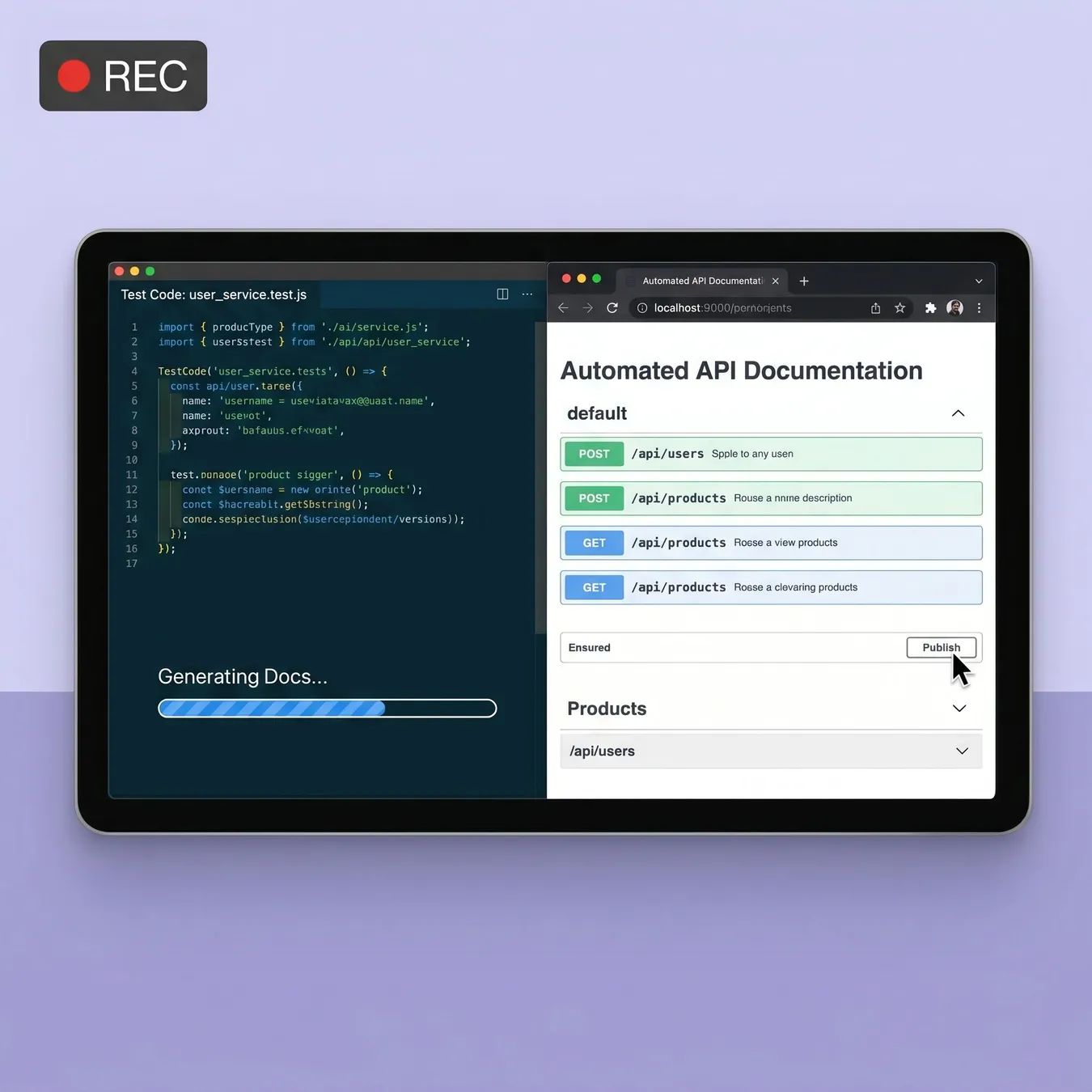
Self-documenting codebases ensure long-term knowledge transfer.
Scaling QA for Enterprise Complexity
As products grow, the test suite can become a bottleneck. Parallelization and selective test execution (running only tests affected by a change) are essential for maintaining speed.
Trade-off
3 pros · 3 cons
Pros
Faster feedback loops
Reduced CI/CD costs
Higher developer productivity
Cons
Increased infrastructure complexity
Risk of missing edge cases
Requires sophisticated dependency mapping
Bridge: From Strategy to Execution
Implementing these strategies requires more than just tools; it requires a partner who understands the nuances of durable engineering. At Studio 402, we specialize in building the operational scaffolding that keeps software healthy for the long haul.
Whether you are rescuing a fragile prototype or architecting a new enterprise platform, our team combines product engineering with deep infrastructure expertise to ensure your software is production-ready and scale-ready.
Trusted by growth-stage companies to build durable software systems.
Studio 402 has delivered 50+ production-grade platforms.
Build Software That Lasts
Ready to implement a QA strategy that survives the next decade? Let's discuss your product engineering needs.
Frequently Asked Questions
Keep reading
More in Operational & Lifecycle Management
Index
Related categories
- Software QA
- Lifecycle Management
- Engineering Best Practices
- AI Integration