
Overview
Enterprise Operational Intelligence Software
Bridge the gap between raw production data and executive decision-making with custom real-time visibility systems built for scale.

Custom Operational Intelligence for Enterprise Visibility
Operational intelligence (OI) is the practice of using real-time data to drive immediate business decisions. For modern enterprises, this means moving beyond static reports toward dynamic systems that monitor live production environments and supply chains.
Real-Time
Data Processing
Zero
Reporting Lag
100%
System Visibility
The Core Components of Operational Intelligence
Effective operational intelligence enterprise operational intelligence software must integrate disparate data streams into a single source of truth. This requires high-performance ingestion and sophisticated event processing.
- Real-time data stream ingestion from IoT and ERP systems
- Complex event processing (CEP) for pattern recognition
- Automated alerting and threshold management
- Interactive executive dashboards with drill-down capabilities
- Historical trend analysis for predictive modeling
Why Enterprise Visibility Matters in 2026
In a fast-moving market, waiting for end-of-month reports is no longer viable. Enterprise visibility ensures that leaders can spot bottlenecks as they happen, rather than after they have impacted the bottom line.
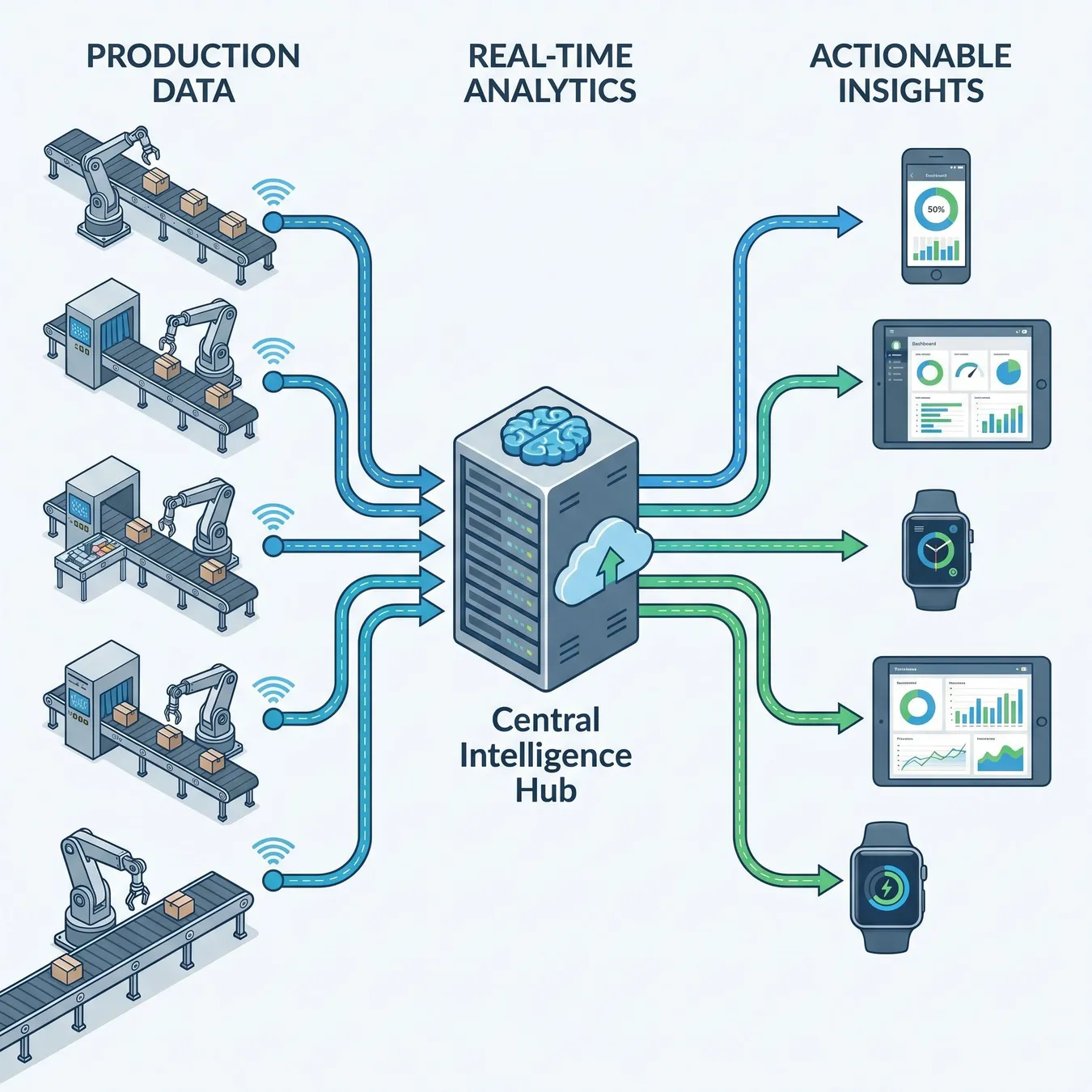
The flow of operational intelligence from production to decision.
Operational Intelligence vs. Business Intelligence
While Business Intelligence (BI) focuses on historical data to identify long-term trends, Operational Intelligence focuses on the 'now'. It is the difference between looking at a map of where you've been and using a live GPS.
Trade-off
3 pros · 3 cons
Pros
Real-time actionability
Immediate bottleneck detection
Live production monitoring
Cons
Historical trend focus
Delayed data processing
Static reporting cycles
Implementing Operational Intelligence Systems
Building these systems requires a deep understanding of artificial intelligence engineering to ensure that the software can handle massive throughput without latency.
01 / 04
phase 01 / 04
Data Audit
phase 02 / 04
Architecture Design
phase 03 / 04
System Integration
phase 04 / 04
Dashboard Deployment
Common Use Cases for Custom OI Software
From supply chain logistics to digital product performance, operational intelligence is versatile. Many firms utilize custom production management software to track physical assets in real-time.
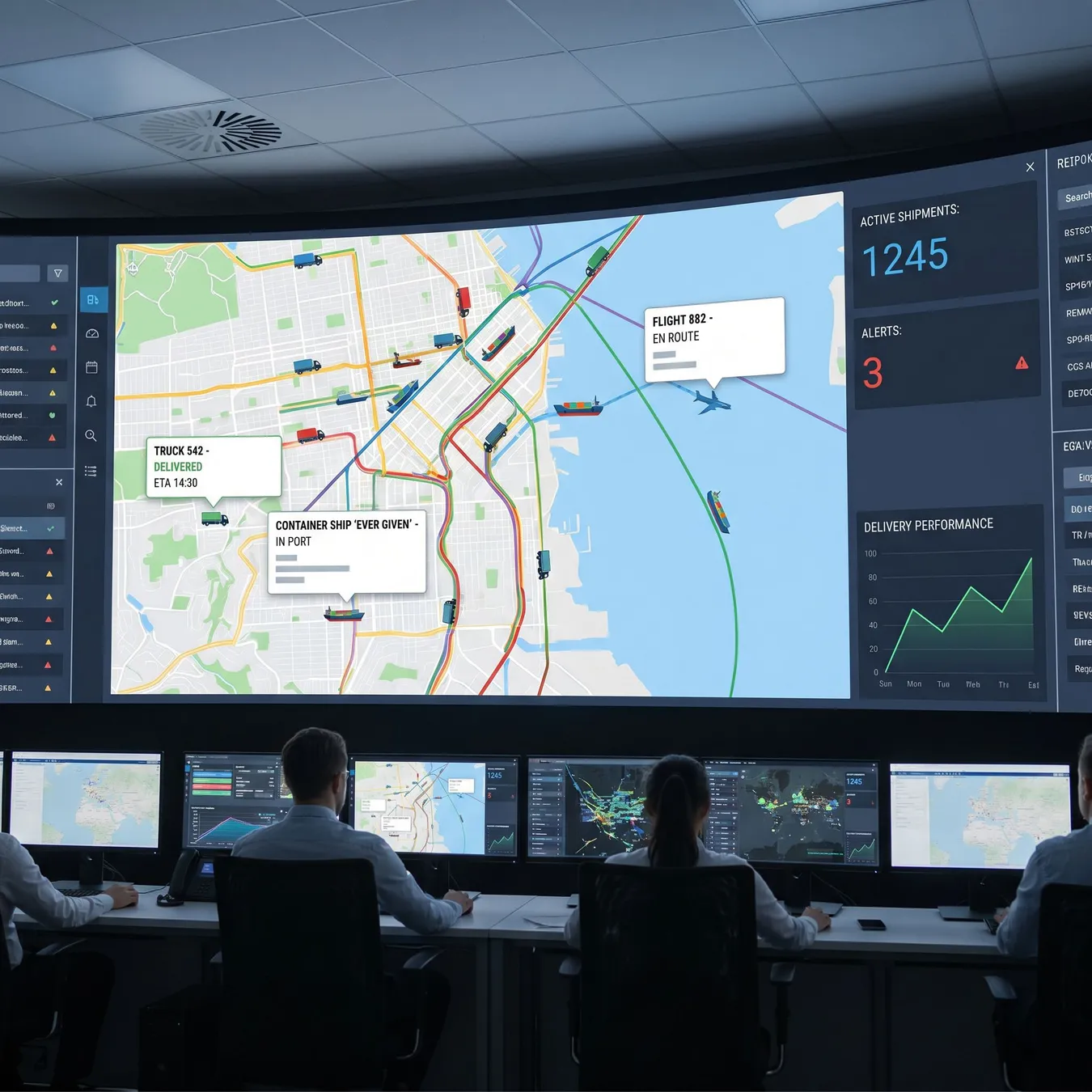
Supply chain visibility.
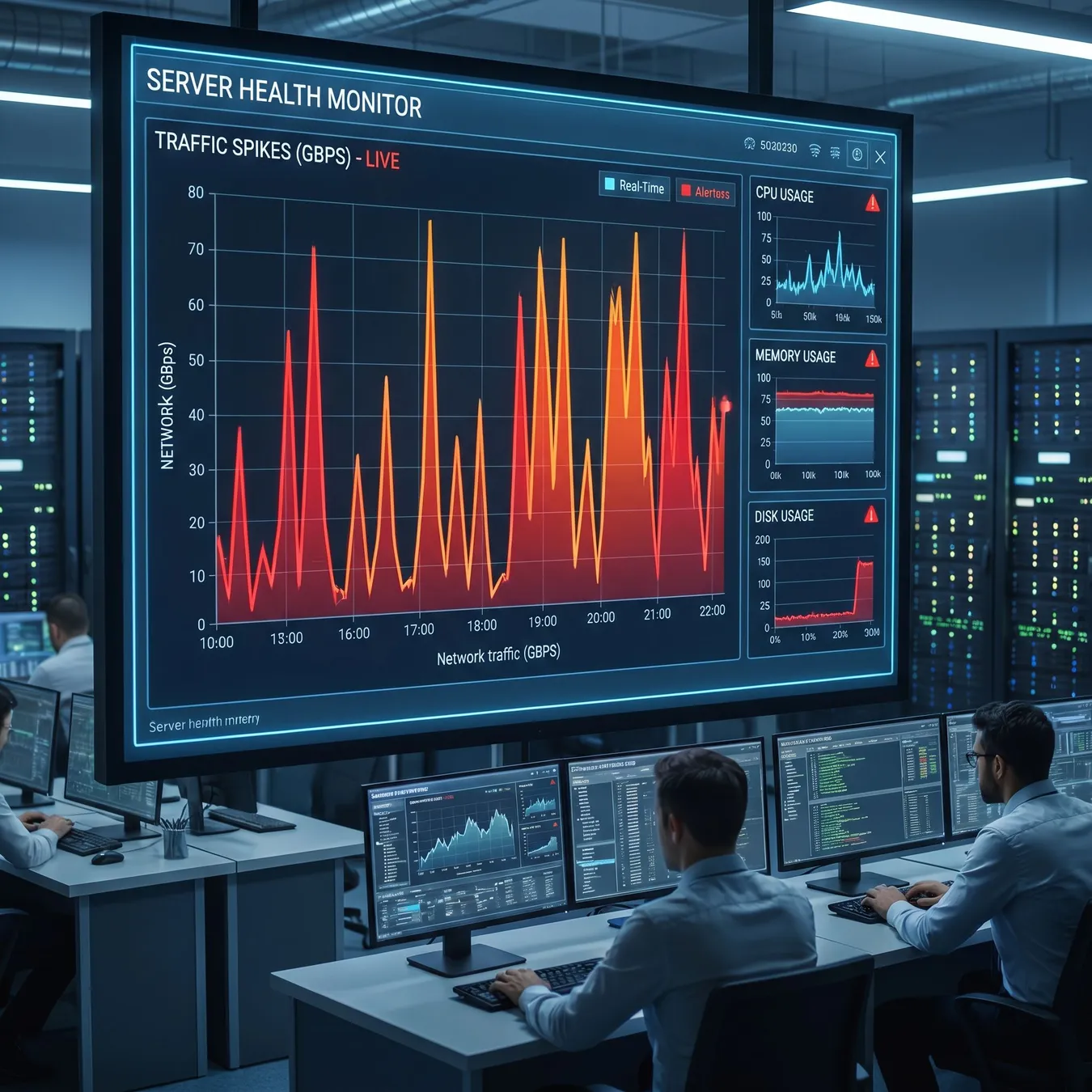
Infrastructure monitoring.
Overcoming Data Silos in Large Organizations
The biggest hurdle to enterprise visibility is often fragmented data. Custom software acts as the connective tissue, pulling data from silos into a unified intelligence platform.
Info.
// The Silo Effect
Scaling Intelligence with Automation
Visibility is only the first step. To truly optimize, enterprises must move toward enterprise intelligent automation to act on the insights generated by their OI systems.
Technical Requirements for OI Software
Building durable operational intelligence software requires a modern tech stack capable of handling high-velocity data and complex queries.
| Feature | Requirement | Benefit |
|---|---|---|
| Latency | < 100ms | True real-time response |
| Scalability | Horizontal | Handles traffic spikes |
| Security | RBAC / SOC2 | Enterprise compliance |
The Role of AI in Operational Intelligence
AI-native systems can predict failures before they occur. By applying machine learning to real-time streams, OI software moves from reactive to proactive.
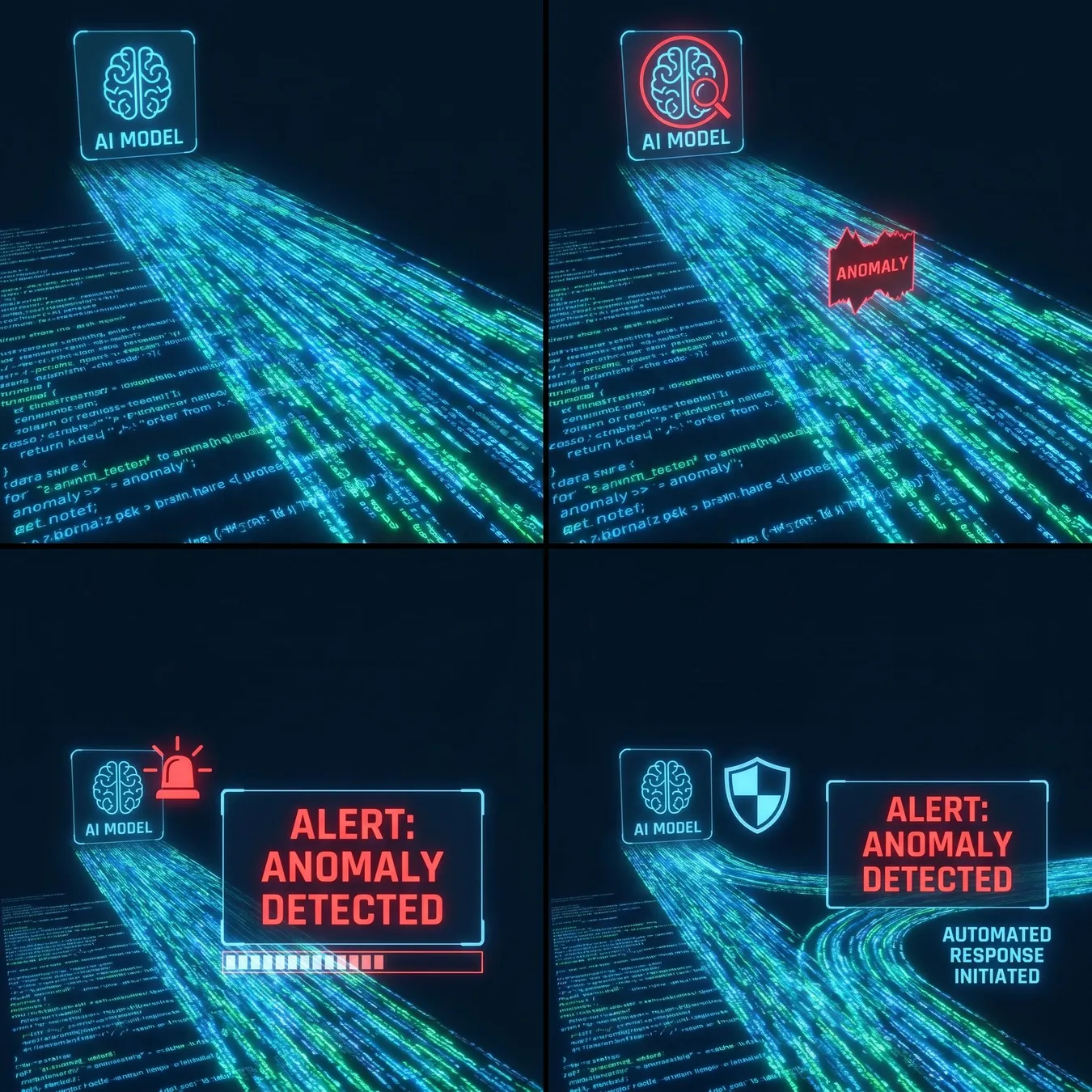
AI-driven anomaly detection in real-time.
Best Practices for Dashboard Design
A dashboard is only useful if it is readable. Focus on high-level KPIs for executives and granular data for operators.
Prioritize actionable metrics
Use clear visual hierarchies
Implement role-based views
Overload with decorative charts
Hide critical alerts in sub-menus
Use inconsistent data labels
Integrating with Existing Workflows
Visibility should lead directly to action. This is often achieved by connecting intelligence platforms to workflow automation software to trigger tasks automatically.
Operational Intelligence FAQ
Security and Compliance in OI Systems
When dealing with enterprise-wide data, security cannot be an afterthought. We implement robust encryption and role-based access controls (RBAC) into every system we build.
- SOC2 Compliant
- End-to-End Encryption
- RBAC
- Audit Logging
The Future of Operational Intelligence
As edge computing and 5G become standard, the speed and volume of data available for operational intelligence will explode. Enterprises must prepare their infrastructure today for the data density of tomorrow.

The future of hyper-connected enterprise intelligence.
How Studio 402 Builds Operational Systems
At Studio 402, we don't just build dashboards; we engineer the underlying systems that make real-time visibility possible. We specialize in turning fragmented production data into durable business infrastructure.
Studio 402 took our disconnected spreadsheets and turned them into a real-time command center that our executive team uses every single morning.
Sarah Jenkins · COO of Logistics Corp
Ready to Gain Real-Time Visibility?
If your team is struggling with operational drag or delayed decision-making, it's time to move beyond prototypes. We help you build the systems that scale with your ambitions.
Audit your current data sources
Identify key operational bottlenecks
Define executive visibility requirements
Consult with an engineering partner
Trusted by growth-stage companies to build production-ready systems.
Updated July 2026
Build Your Operational Intelligence System
Stop flying blind. Let's build the custom software your enterprise needs for real-time visibility and control.
Explore Related Solutions
Keep reading
More in Operational & Lifecycle Management
Index