
Venture Capture: A Strategic Framework for Innovation
Venture capture is a strategic methodology used by corporate innovation teams to identify, build, and spin out software solutions that capitalize on emerging market opportunities. Unlike traditional R&D, venture capture focuses on creating independent entities that can move at startup speed while leveraging corporate assets.
- Corporate Innovation
- Venture Building
- Strategic Growth
- Spin-out Strategy
What is Venture Capture?
At its core, venture capture is about institutionalizing the process of startup creation within a larger enterprise. It bridges the gap between internal product development and external venture capital by treating new ideas as potential market-leading companies from day one.
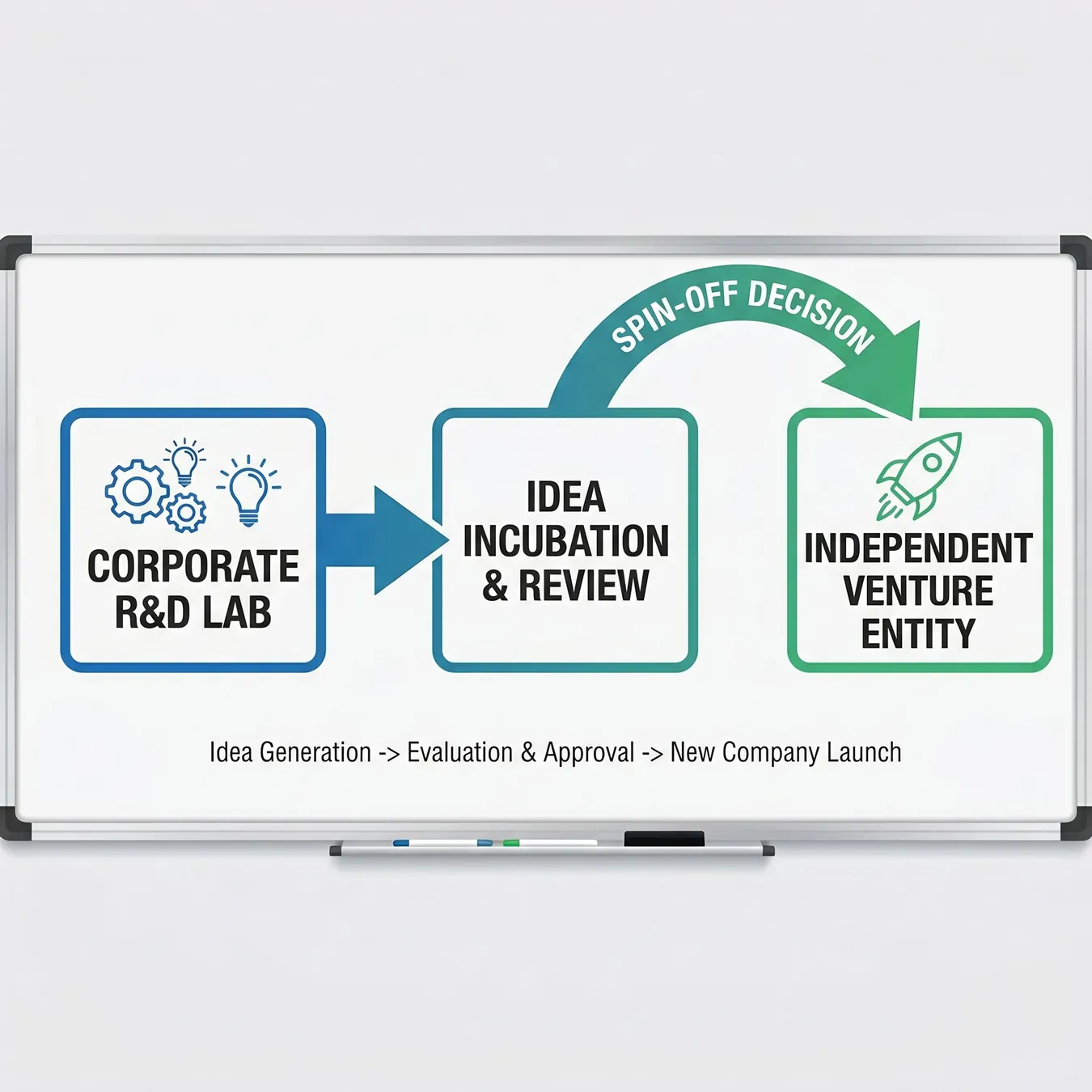
The lifecycle of a venture capture project from ideation to spin-out.
The Core Pillars of a Venture Capture Strategy
- Opportunity Identification: Mapping market gaps to corporate unfair advantages.
- Technical Validation: Building production-ready MVPs to prove market fit.
- Operational Independence: Establishing separate governance and team structures.
- Capital Alignment: Preparing the venture for external investment rounds.
- Strategic Exit: Spinning out the entity or integrating it as a new business unit.
Venture Capture vs. Traditional Corporate R&D
Trade-off
4 pros · 4 cons
Pros
Rapid market testing
Equity-based talent attraction
Scalable technical architecture
External capital leverage
Cons
Slow internal approval cycles
Focus on incremental improvements
Limited talent incentives
High overhead costs
How to Implement Venture Capture in Your Organization
Implementing this framework requires a shift in how leadership views risk. Many organizations choose to partner with a corporate venture studio to provide the engineering muscle and operational playbook needed to launch these ventures without disrupting the core business.
- 01
Define the strategic themes and investment thesis.
- 02
Identify internal 'intrapreneurs' and external technical partners.
- 03
Build a high-fidelity prototype to test core assumptions.
- 04
Establish a legal and financial framework for the spin-out.
- 05
Launch the MVP and begin the customer acquisition phase.
The Role of Engineering in Venture Success
Venture capture fails when the underlying technology is built as a 'throwaway' prototype. To attract external investors, the software must be production-grade from the start, ensuring it can scale as the venture grows.
3x
Success Rate Increase
40%
Time to Market Reduction
65%
External Funding Likelihood
Common Pitfalls in Corporate Venture Building
Hire dedicated teams for each venture.
Use modern, scalable tech stacks.
Set clear KPIs for spin-out milestones.
Force internal IT standards on the startup.
Underfund the initial engineering phase.
Delay the spin-out decision too long.
Scaling Through the Factory Model
To achieve repeatable success, organizations often adopt a startup studio by factory approach. This standardizes the operational and technical infrastructure, allowing the corporation to launch multiple ventures simultaneously with reduced risk.
Financial Milestones and Funding Rounds
Understanding venture capital stages is critical for innovation leaders. Each internal milestone should map to what external VCs expect to see at Seed or Series A rounds to ensure the venture is 'investable' upon spin-out.
| Phase | Focus | Primary Metric |
|---|---|---|
| Ideation | Problem/Solution Fit | Customer Interviews |
| MVP | Product/Market Fit | Retention Rate |
| Spin-out | Scale & Growth | Monthly Recurring Revenue |
Technical Infrastructure for Venture Capture
A robust technical foundation is the difference between a successful exit and a failed experiment. This includes cloud-native architecture, automated CI/CD pipelines, and secure data handling that meets corporate standards without slowing down the startup team.
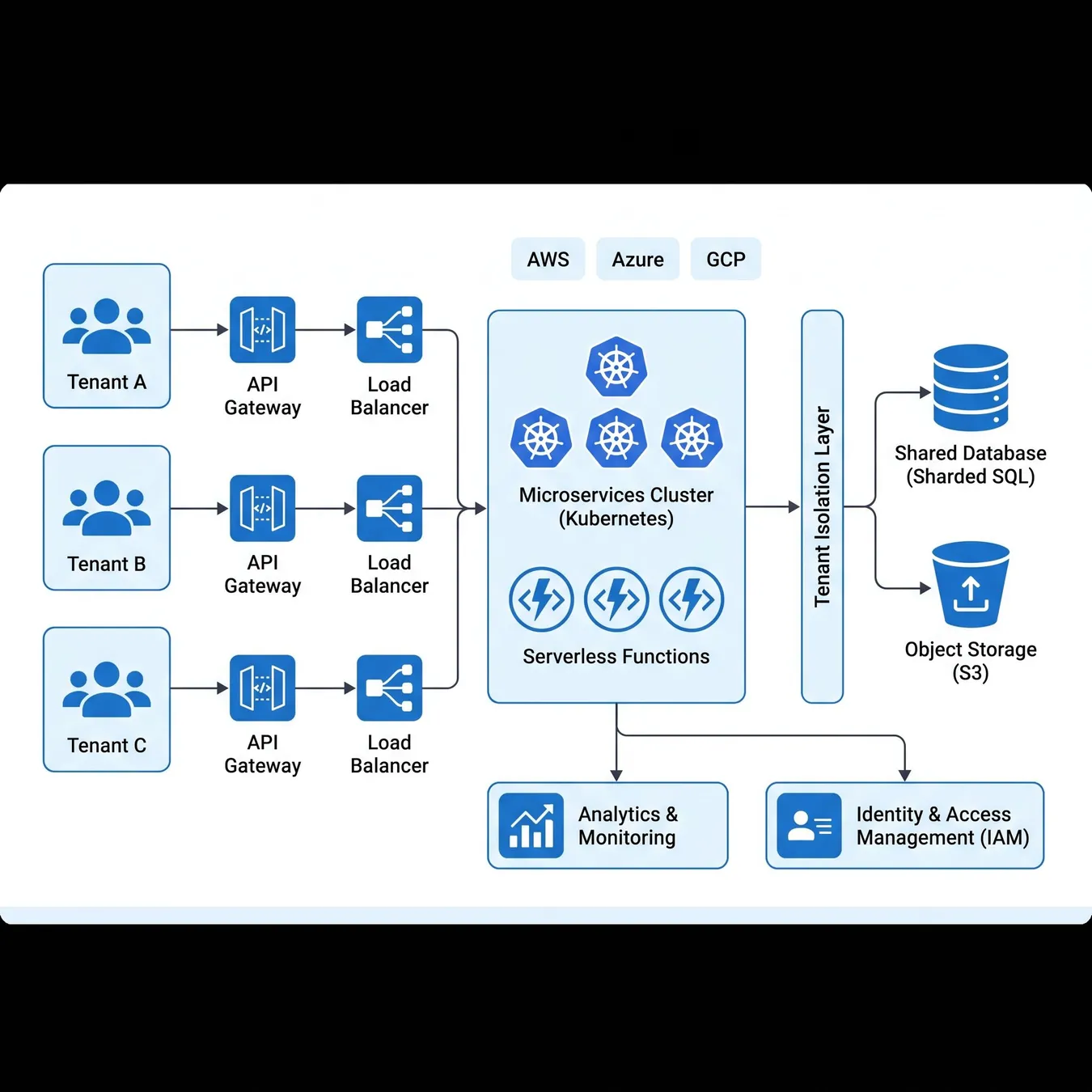
Scalable architecture is key to venture longevity.

Maintaining high velocity during the build phase.
Building the Venture Builder Infrastructure
If your organization is serious about long-term innovation, learning how to start a venture builder is the logical next step. This involves creating a permanent team and budget dedicated to the venture capture process.
Case Study: Identifying Market Gaps
Consider a logistics giant that identifies a gap in last-mile delivery software. Instead of building an internal tool, they use venture capture to build a standalone SaaS product. This entity can eventually sell to competitors, maximizing the parent company's return on investment.
Info.
// Strategic Insight
The Governance of Spin-outs
Governance must balance corporate oversight with startup autonomy. Successful venture capture frameworks utilize an 'innovation board' that acts as a mini-VC committee, providing funding based on metered milestones.
Venture Capture in the Age of AI
AI is currently the most active sector for venture capture. Companies are spinning out specialized AI agents and data platforms that solve industry-specific problems more effectively than generic LLM wrappers.

The rise of AI-native venture building.
Frequently Asked Questions
Measuring the ROI of Innovation
ROI in venture capture isn't just about immediate cash flow. It's about equity value, talent retention, and the ability to enter new markets without the risk of a full-scale corporate launch.
Venture capture changed our perspective from 'how do we build this tool' to 'how do we build this business'.
Alex Rivers · Head of Innovation
Checklist for Launching Your First Venture
Validated market problem with data
Identified unfair corporate advantage
Secured budget for production-grade MVP
Established independent governance board
Selected technical execution partner
The Future of Corporate Venture Capture
As market cycles shorten, the ability to rapidly capture and scale new ventures will become a core competency for every major enterprise. Those who master the engineering and operational frameworks today will lead the markets of tomorrow.
Partnering with Studio 402 for Venture Capture
At Studio 402, we act as the high-velocity engineering engine for corporate innovation teams. We don't just build prototypes; we build production-ready software designed to survive the transition from internal project to independent venture.
Whether you are looking to build a new SaaS platform or need to rescue a prototype that won't scale, our team provides the senior technical leadership and execution depth required for successful venture capture.
Trusted by venture builders and corporate innovators globally.
Updated for 2026
Build Your Next Venture with Studio 402
Ready to turn your innovation strategy into a scalable software venture? Let's discuss your roadmap.
Explore Specialized Venture Models
Keep reading
More in Startup Studios & Venture Platforms
Our approach ensures that every line of code written during the venture capture process is an asset, not a liability. We focus on security, performance, and maintainability so your spin-out is ready for the scrutiny of top-tier investors.
Venture Capture Timeline
01 / 04
phase 01 / 04
Discovery
phase 02 / 04
Engineering
phase 03 / 04
Validation
phase 04 / 04
Spin-out
By following this structured framework, corporate teams can minimize the 'innovation theater' and focus on building real value. Venture capture is the most direct path to sustainable growth in a software-driven economy.
Conclusion
Mastering venture capture is about more than just building products; it's about building the future of your organization. With the right strategic framework and a senior engineering partner, the potential for corporate innovation is limitless.