
The Startup Studio Factory Model: Engineering Success
The startup studio by factory approach represents a shift from artisanal venture building to a high-velocity, standardized engineering model. By treating the creation of new companies as a repeatable manufacturing process, the venture studios can significantly reduce technical risk and shorten the time to market for every new product.
3x
Faster speed to market
40%
Reduction in technical risk
80%
Shared code reuse
Defining the Startup Venture Studio Factory
At its core, a startup venture studio operates as a centralized engine that provides shared resources, infrastructure, and operational expertise to a portfolio of emerging companies. Unlike traditional incubators, the factory model focuses on the 'how' of building, utilizing a fixed technical stack and standardized workflows.
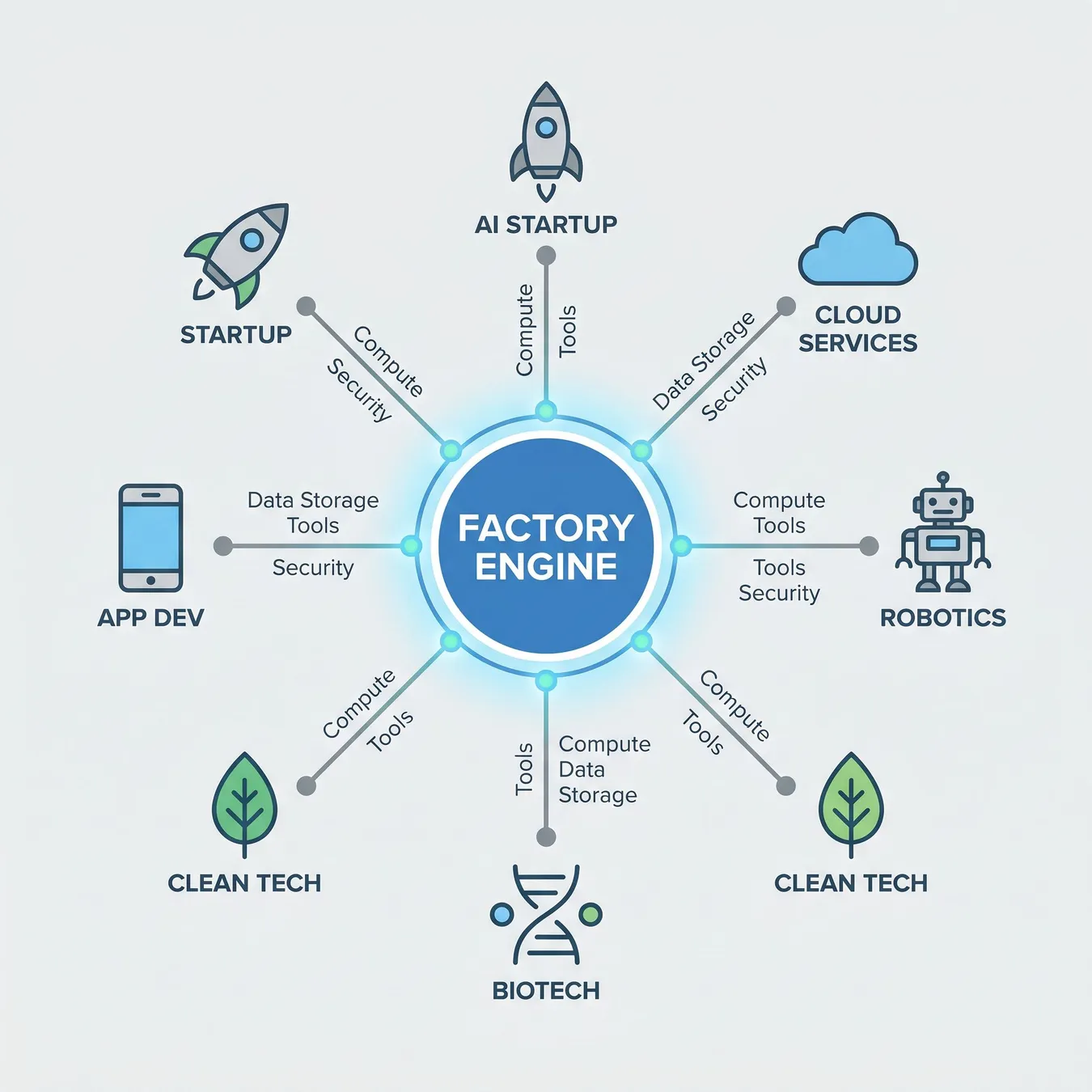
The centralized architecture of a startup studio factory model.
The Core Components of a Venture Building Factory
- Standardized Technical Stack: Using a unified set of tools for all ventures.
- Shared Infrastructure: Centralized cloud, security, and DevOps management.
- Operational Playbooks: Documented processes for hiring, marketing, and sales.
- Centralized Engineering Team: A core group of senior developers who build for all portfolio companies.
How the Factory Model Accelerates Development
The factory model eliminates the 'zero-to-one' friction that plagues most startups. Instead of spending months deciding on a database or setting up CI/CD pipelines, the startups studio can deploy a production-ready environment on day one.
01 / 04
phase 01 / 04
Ideation & Validation
phase 02 / 04
Technical Scaffolding
phase 03 / 04
MVP Build
phase 04 / 04
Launch & Scale
Standardization vs. Customization
A common critique is that standardization limits innovation. However, the factory model argues that standardizing the 'boring' parts—like auth, billing, and infrastructure—frees up founders to focus entirely on their unique value proposition.
Trade-off
4 pros · 3 cons
Pros
Instant infrastructure deployment
Lower cost per venture
Higher code quality and security
Cross-portfolio data insights
Cons
Limited choice in tech stack
Potential for shared points of failure
Higher initial setup cost for the studio
The Role of Shared Engineering Infrastructure
Shared infrastructure is the backbone of the factory. By maintaining a single, high-craft product engineering studio environment, the factory ensures that every startup benefits from senior-level architecture decisions that would otherwise be too expensive for a seed-stage company.
Financial Mechanics of the Factory Model
The economics of a factory require a specialized venture studio fund to manage the high operational overhead of a permanent staff. This capital is used to build the 'platform' that all subsequent startups will use to launch.
Factory Model for Corporate Innovation
Large organizations often struggle with the speed of startup creation. A corporate venture studio can adopt the factory model to build internal ventures that bypass traditional IT bottlenecks while remaining compliant with enterprise security standards.
Reducing Technical Risk through Repetition
Technical risk is the primary cause of early-stage failure. The factory model mitigates this by using battle-tested components. When a bug is fixed in the core library, it is fixed for every startup in the portfolio simultaneously.
Info.
// The Network Effect of Code
Building Your Own Venture Factory
Setting up a factory requires more than just hiring developers; it requires a strategic roadmap for engineering and operations. If you are looking at how to start a venture builder, the focus must be on the platform first and the individual ventures second.
Common Pitfalls in the Factory Approach
Standardize the deployment pipeline early
Focus on code reusability across ventures
Hire generalist engineers who can pivot quickly
Over-engineer the platform before the first build
Force a tech stack that doesn't fit the product
Neglect the unique UX needs of individual startups
The Future of the Factory Model in 2026
As we move through 2026, the factory model is evolving to include AI-native automation. Studios are now using LLMs to generate boilerplate code and documentation within their standardized frameworks, further accelerating the building process.

The modern venture building environment in 2026.
Case Study: Velocity Through Standardization
Consider a studio that launched five fintech apps in one year. By using a shared compliance and ledger module, they saved an estimated 4,000 engineering hours that would have been spent rebuilding basic transaction logic.
Operational Efficiency in Venture Building
Efficiency isn't just about code; it's about the entire lifecycle. The factory model includes standardized legal documents, hiring rubrics, and go-to-market templates that allow a new founder to focus on customer discovery.
Scaling the Studio Model
Scaling a studio requires a balance between the number of ventures and the capacity of the core engineering team. Most successful factories limit their output to 3-4 high-quality ventures per year to maintain production standards.
Frequently Asked Questions
The Studio 402 Approach to Venture Building
At Studio 402, we act as the high-velocity engineering engine for venture builders and corporate studios. We don't just build prototypes; we engineer production-ready foundations that allow your ventures to scale without hitting technical ceilings.
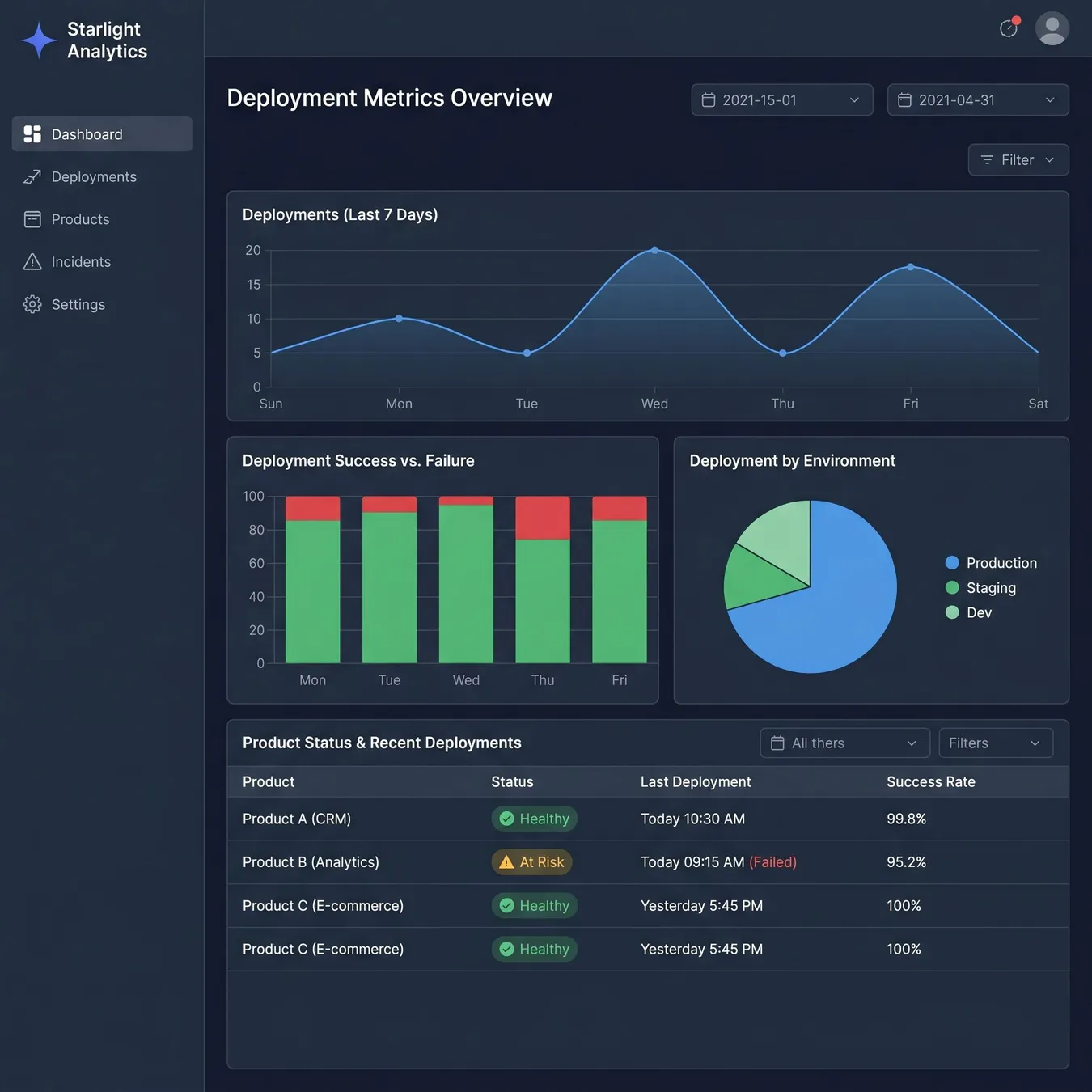
Multi-tenant monitoring and deployment infrastructure.

Production-grade code standards for venture-scale products.
Why Partner with a Technical Studio?
Building a factory in-house is expensive and time-consuming. Partnering with Studio 402 gives you immediate access to a mature engineering platform, allowing you to start launching ventures immediately while we handle the technical heavy lifting.
The difference between a failed prototype and a successful venture is often the quality of the underlying engineering. Studio 402 provides that foundation.
Engineering Lead · Studio 402
Ready to Build Your Venture Engine?
Whether you are launching a new venture studio or scaling an existing corporate innovation lab, our team is ready to provide the engineering power you need to succeed.
Start Your Venture Building Journey
Contact Studio 402 today to discuss how our engineering-first approach can accelerate your startup factory.
Explore More Resources
Keep reading
More in Startup Studios & Venture Platforms
Summary of the Factory Model
| Feature | Traditional Startup | Factory Model |
|---|---|---|
| Tech Setup | Weeks/Months | Days |
| Engineering Cost | High (Full Team) | Shared (Fractional) |
| Risk of Failure | High (Technical Debt) | Low (Proven Stack) |
| Focus | Infrastructure | Market Fit |
The transition to a factory model is the natural evolution of the venture building ecosystem. By prioritizing engineering repeatability, studios can finally deliver on the promise of predictable, scalable innovation.
- Venture Building
- Engineering
- SaaS
- Startup Studio
- Innovation
Trusted by venture builders to launch production-ready software.
Updated for 2026
Define a core technical stack
Establish shared DevOps pipelines
Create reusable UI component libraries
Document operational playbooks
Ultimately, the factory model is about leverage. It allows a small group of highly skilled engineers to support a large number of founders, creating a more efficient path to venture-scale success.