
The Non-Technical Founder’s Guide to Building Software
Overview
Build Production-Ready Software Without Coding
A strategic framework for non-technical founders to navigate product engineering, technical hiring, and vendor selection with confidence.

Building a software product is one of the most challenging ventures a non-technical founder can undertake. Without a background in computer science, the process often feels like a black box where money and time go in, but reliable software rarely comes out. This non technical founder guide is designed to demystify that process.
The goal is not to turn you into a developer, but to equip you with the mental models needed to manage engineering teams and make high-stakes technical decisions. Success in software isn't about writing code; it's about managing the translation of business value into functional, scalable systems.
70%
Startups that fail due to premature scaling or technical debt.
3-6 Mo
Average time to ship a production-ready MVP.
40%
Efficiency gain when using a structured engineering roadmap.
Defining Your Role in the Product Lifecycle
As a non-technical founder, your primary responsibility is 'Product Ownership.' This means defining the 'What' and the 'Why' while trusting your technical partners to handle the 'How.' If you find yourself micromanaging the choice of database, you are likely neglecting your core duty: market alignment.
- Define user personas and core pain points.
- Prioritize features based on business value, not technical ease.
- Set clear success metrics for every release.
- Communicate the long-term vision to the engineering team.
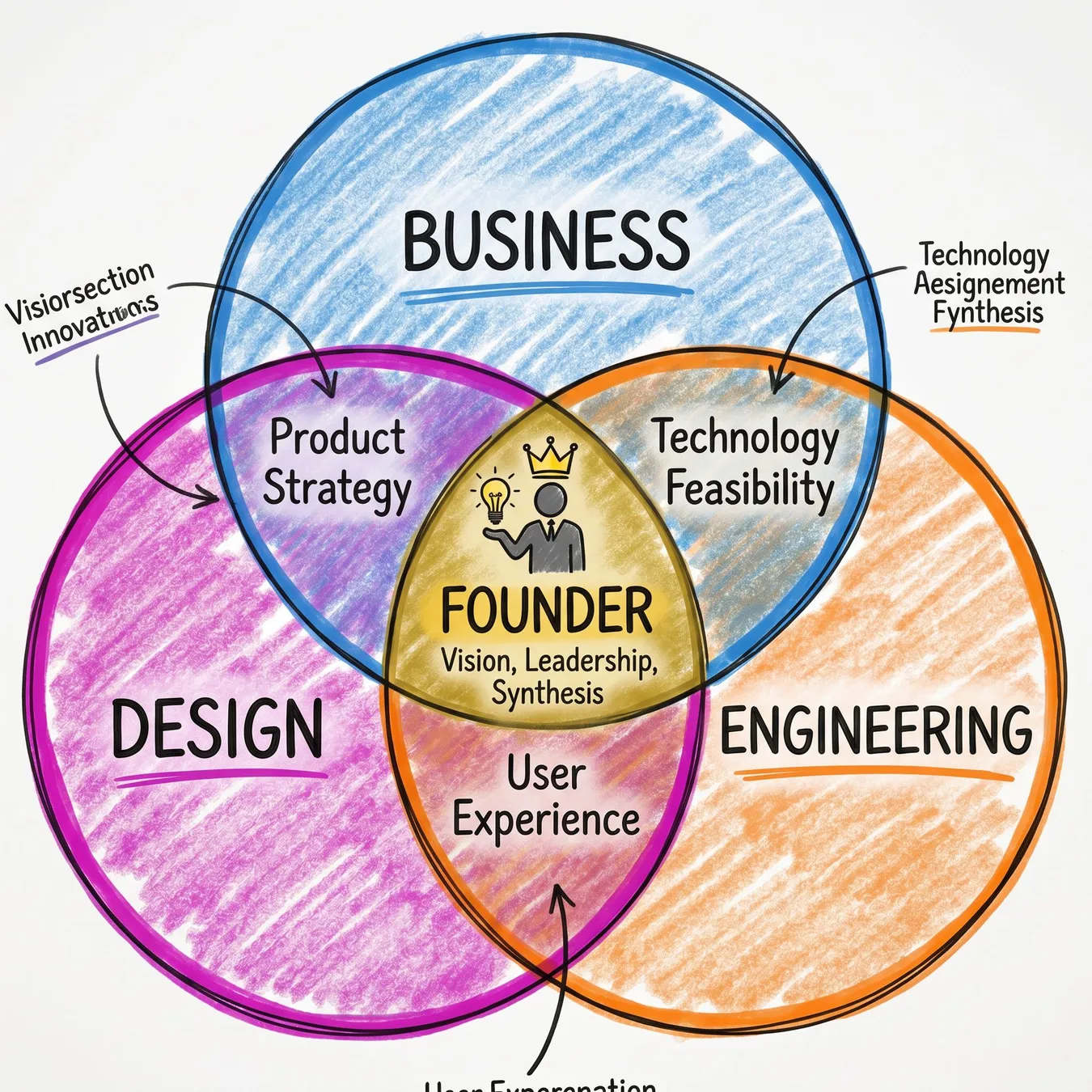
The founder's role is the bridge between market needs and technical execution.
The Difference Between a Prototype and Production-Ready Software
Many founders fall into the trap of 'vibe-coding'—using AI tools or low-code platforms to build something that looks like an app but lacks the underlying architecture to scale. While this is great for validation, it is rarely ready for real users.
Trade-off
3 pros · 3 cons
Pros
Fast validation of core ideas
Low initial capital investment
Easy to pivot based on feedback
Cons
Fragile security and data handling
Difficult to maintain or update
High cost to rebuild later
Navigating Technical Hiring for the First Time
One of the most critical hurdles is learning how to hire software engineers when you cannot audit their code yourself. You must look for signals beyond just 'years of experience,' focusing instead on problem-solving ability and architectural thinking.
Tip.
// Vetting Tip
Structuring Your Development Process
A common mistake is treating software like a house that is 'finished' once built. In reality, software is a living system. Understanding the right engineering team structure is vital to ensuring your product can evolve as your user base grows.
- 01
Discovery: Define requirements and user flows.
- 02
Architecture: Design the data model and system logic.
- 03
Development: Iterative sprints with weekly demos.
- 04
Hardening: Security audits and performance testing.
- 05
Deployment: Launching to a stable cloud environment.
Selecting the Right Development Partner
If you aren't ready to hire a full in-house team, you might look for a software development consulting company to build your MVP. The key is finding a partner who values production quality over mere speed-to-market.
Ask for case studies of products still in use.
Check for automated testing practices.
Ensure you own all intellectual property from day one.
Choose a partner based solely on the lowest price.
Accept a 'black box' development process.
Ignore the need for post-launch maintenance.
The Roadmap to a Production-Ready SaaS
For many founders, the ultimate goal is saas product development. This requires a higher standard of multi-tenancy, billing integration, and data isolation than a simple internal tool or consumer app.
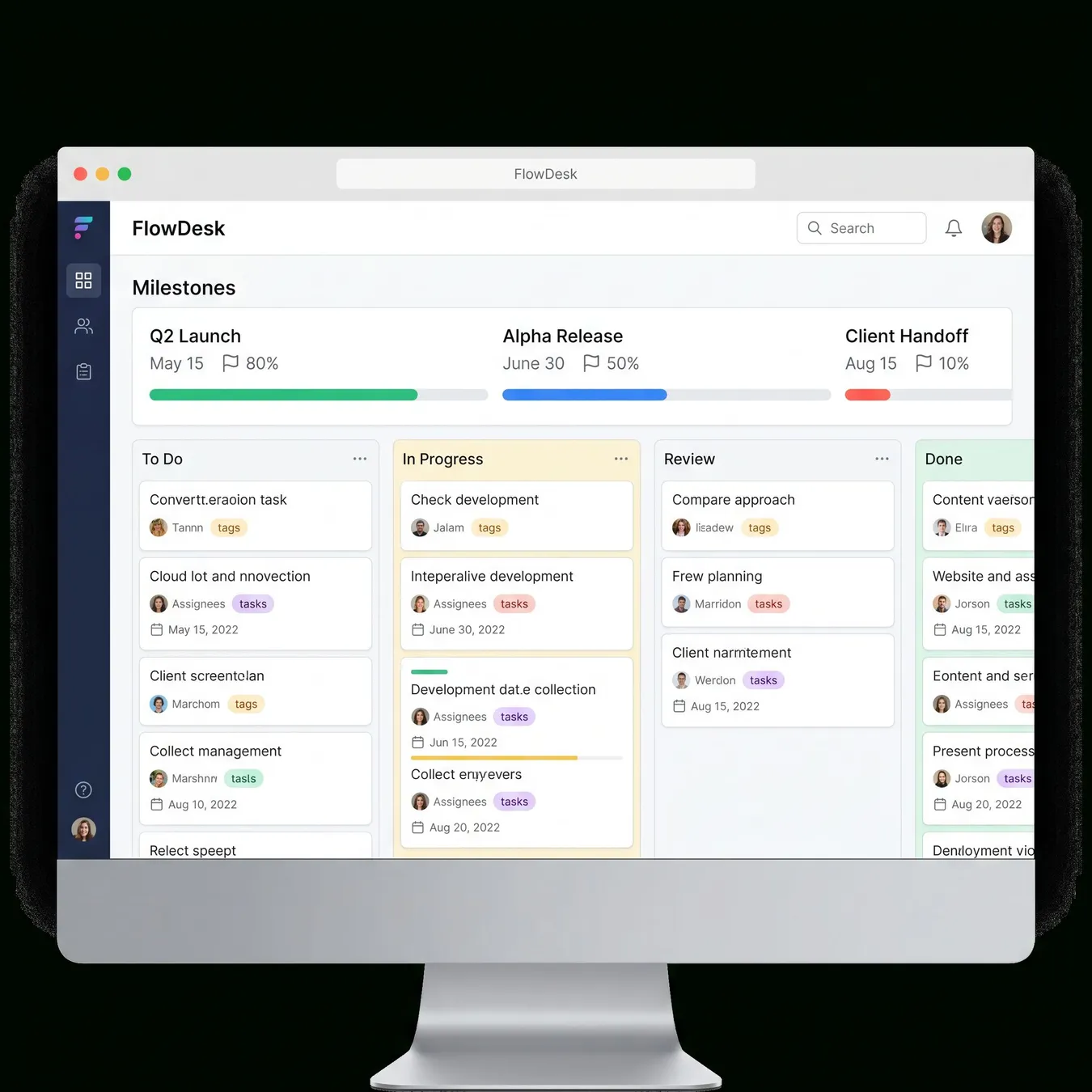
Milestone-based tracking ensures transparency.
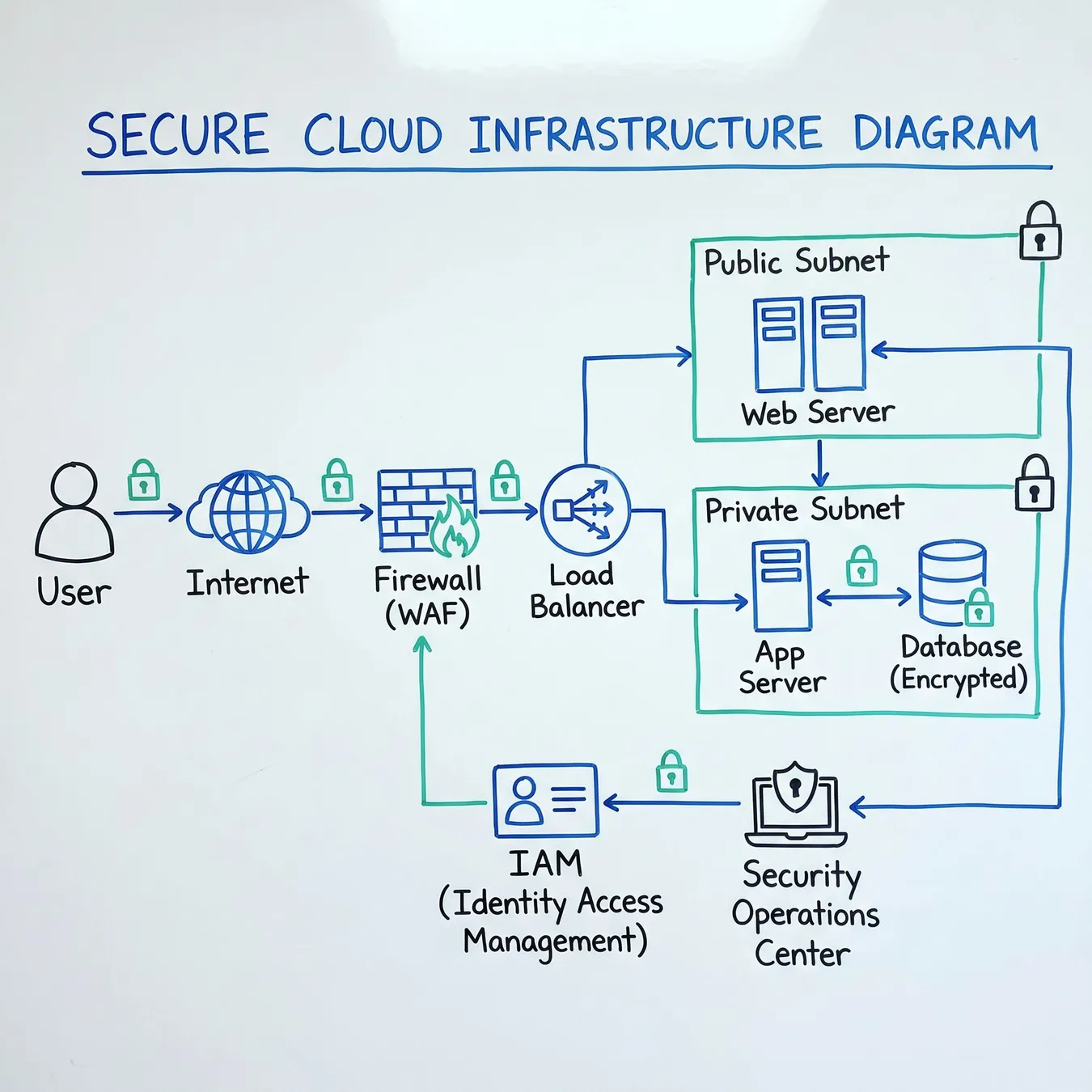
Scalable architecture is the foundation of SaaS.
Common Pitfalls for Non-Technical Founders
Avoiding technical debt early on is a superpower. While you need to move fast, skipping documentation or automated tests will eventually bring your feature velocity to a standstill.
Is the code hosted in a repository you control?
Is there a staging environment for testing?
Are there automated backups for user data?
Is the documentation clear enough for a new dev to join?
Managing the Build: Communication is Key
Establish a rhythm of communication. Weekly demos are non-negotiable. If you go more than two weeks without seeing progress in a live environment, your project is at risk.
The best code is no code at all. The second best code is code that is easy to delete and replace as you learn from your users.
Senior Product Engineer · Studio 402
Budgeting for More Than Just Development
Founders often forget to budget for infrastructure (AWS/Azure), third-party APIs (Stripe, Twilio), and ongoing maintenance. A good rule of thumb is to set aside 20% of your initial build cost for annual upkeep.
| Expense Category | Estimated % of Budget | Frequency |
|---|---|---|
| Core Development | 70% | One-time/Initial |
| Cloud Infrastructure | 5-10% | Monthly |
| Maintenance & Security | 15% | Ongoing |
| Third-Party APIs | 5% | Usage-based |
Preparing for Your MVP Launch
Launch day is just the beginning. Your MVP should be a 'Minimum Viable Product,' but it must also be 'Minimum Loveable.' It needs to solve the core problem so well that users tolerate the missing secondary features.
01 / 04
phase 01 / 04
Internal Alpha
phase 02 / 04
Closed Beta
phase 03 / 04
Public Launch
phase 04 / 04
Iteration
When to Pivot and When to Persevere
Listen to the data, not just your gut. If users aren't engaging with a feature you spent months building, be prepared to cut it. Technical founders often get attached to the 'how,' but you must stay focused on the 'outcome.'
How Studio 402 Bridges the Gap
At Studio 402, we specialize in being the technical partner that non-technical founders need. We don't just write code; we help you architect a business. Whether you are starting from scratch or need to rescue a prototype that isn't scaling, we provide the production-grade engineering required for success.
Trusted by founders to ship over 50 production-ready platforms.
From seed stage to Series B.
Frequently Asked Questions
Next Steps for Your Software Journey
If you are ready to move from an idea to a production-ready product, the next step is a discovery session. We help you map out your requirements and build a roadmap that balances speed with long-term stability.
Ready to Build Your Production MVP?
Stop guessing and start building with a partner who understands the needs of non-technical founders.
Explore More Resources
Keep reading
More in Founder & Peer Networks
Additional Strategy for First-Time Founders
Building your first product is a learning experience. Don't be afraid to ask 'dumb' questions—your technical partners should be able to explain concepts in plain English.
- Founder Strategy
- MVP Build
- Tech Hiring
- SaaS Growth
The Importance of Data Ownership
Ensure that your data architecture allows you to export and move your data if you ever decide to switch platforms or partners. Lock-in is a major risk for early-stage companies.
Security and Compliance from Day One
Even for an MVP, basic security like encryption at rest and secure authentication is mandatory. This is especially true if you are handling sensitive user information.
Final Thoughts on Founder Leadership
Your vision is the fuel for the project. Keep the team inspired by sharing user wins and market feedback regularly. A motivated engineering team builds better software.