
Native vs. Cross-Platform: Choosing Your Mobile Strategy
Deciding between native or cross platform mobile development is one of the most consequential choices a product leader will make. This decision dictates your development speed, long-term maintenance costs, and the ultimate quality of the user experience.
- Strategy
- Engineering
- Mobile
- Architecture
Understanding the Core Differences
Native development involves building separate applications for iOS and Android using platform-specific languages like Swift and Kotlin. This approach offers the highest performance and deepest integration with device hardware.
Conversely, the best cross platform for mobile app development allows teams to write code once and deploy it to both platforms. Modern frameworks like React Native and Flutter have narrowed the performance gap significantly.
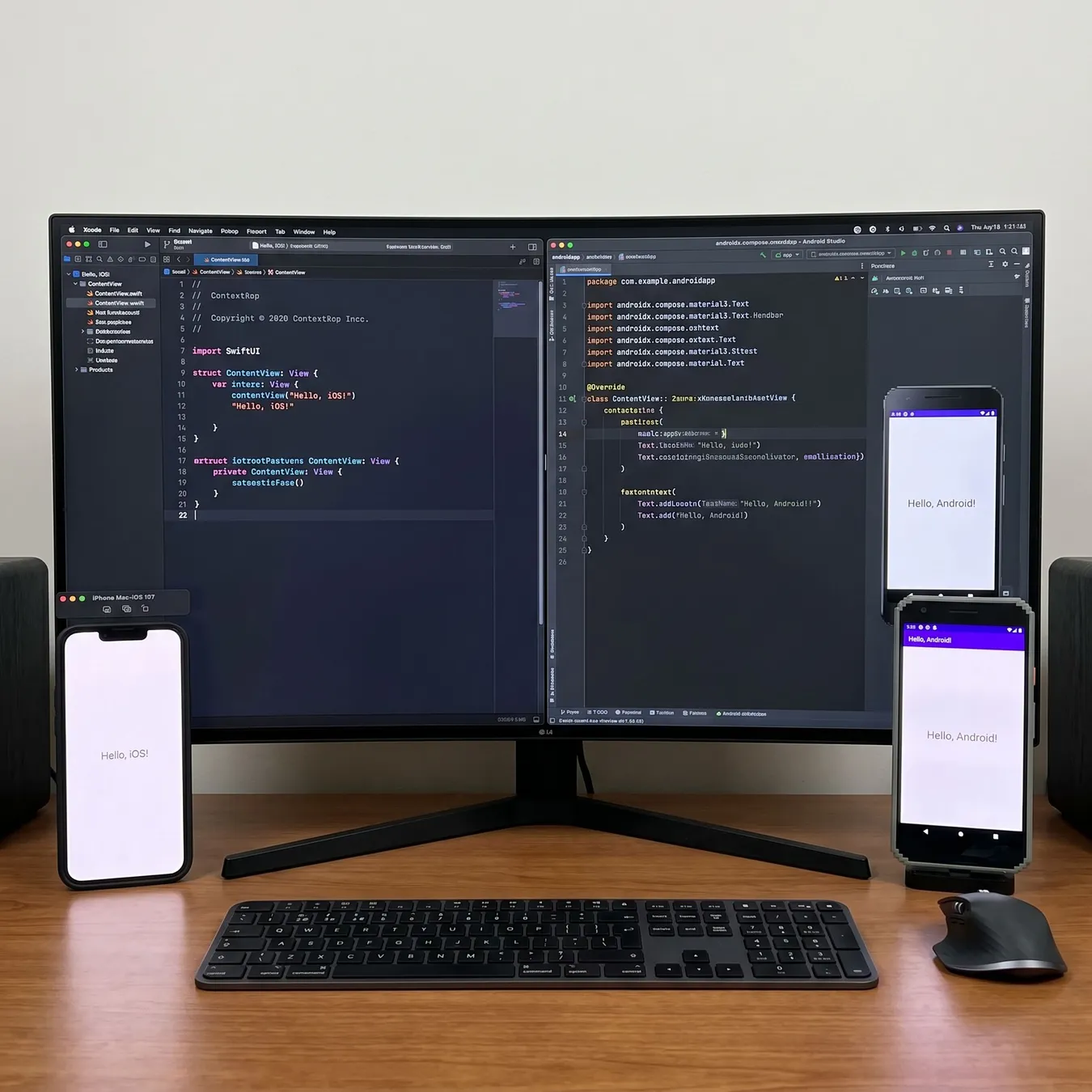
Native development requires distinct codebases for each operating system.
Native Apps and Web Apps: Where Does Cross-Platform Fit?
It is important to distinguish between native apps and web apps. While web apps run in a mobile browser, cross-platform apps are installed locally and can access device APIs, providing a much richer experience than a standard mobile website.
- Native: Maximum performance, platform-specific UI.
- Cross-Platform: Shared logic, faster time-to-market.
- Web Apps: High reach, limited hardware access.
The Pros and Cons of Native Development
Trade-off
4 pros · 4 cons
Pros
Unmatched runtime performance
Access to latest OS features on day one
Superior UI responsiveness
Better battery efficiency
Cons
Higher development costs
Requires two separate teams
Slower feature parity
Duplicate bug fixing
The Pros and Cons of Cross-Platform Development
Trade-off
4 pros · 4 cons
Pros
Single codebase for iOS and Android
Faster development cycles
Lower initial investment
Unified product roadmap
Cons
Slightly larger app sizes
Dependency on third-party frameworks
Complex custom UI can be difficult
Performance overhead for heavy tasks
Performance Benchmarks and Real-World Use
For 90% of business applications, the performance difference is negligible. However, if you are building a high-fidelity game or a complex video editing suite, native is the only viable path.
95%
Code sharing in React Native
60fps
Standard UI performance
2x
Speed to market for cross-platform
Cost Analysis: Initial Build vs. Long-Term Maintenance
While cross-platform saves money upfront, maintenance can become complex if the framework evolves faster than your app. Native apps are more stable over long periods as they rely on official SDKs.
| Factor | Native | Cross-Platform |
|---|---|---|
| Initial Cost | High | Medium |
| Maintenance | Predictable | Variable |
| Team Size | Large | Small/Medium |
Choosing Based on Your Product Stage
Early-stage startups often prioritize speed. Using an mvp in mobile app development approach usually favors cross-platform to validate the market quickly.
Tip.
// Startup Strategy
When to Go Native
- Requirement for complex background processing.
- Heavy use of AR/VR or low-level hardware APIs.
- Need for the absolute smallest binary size.
- Platform-specific design language is a core brand pillar.

Native is essential for graphics-intensive applications.
When to Choose Cross-Platform
If your app is primarily data-driven—think CRMs, marketplaces, or social networks—cross-platform is often the superior choice for resource efficiency.
Use cross-platform for content-heavy apps
Ensure your team has native debugging skills
Optimize assets for both platforms
Don't use cross-platform for complex Bluetooth apps
Don't ignore platform-specific UI patterns
Don't skip testing on physical devices
The Impact on Team Structure
Your choice will dictate your mobile app development team structure. Native requires specialists in Swift and Kotlin, while cross-platform allows for a more unified engineering team.
Scalability and Future-Proofing
Regardless of the stack, building mobile apps at scale requires a modular architecture that can handle increasing user loads and feature complexity.
Framework Longevity
React Native (Meta) and Flutter (Google) have massive industry backing. Choosing these frameworks is no longer a risky bet for enterprise-grade software.
Common Decision Pitfalls
Overestimating the need for native performance
Underestimating the cost of two native codebases
Ignoring the availability of local talent
Technical Implementation Steps
01 / 04
phase 01 / 04
Requirement Audit
phase 02 / 04
Stack Selection
phase 03 / 04
Architecture Design
phase 04 / 04
MVP Build
Expert Opinions on Mobile Strategy
The best technology is the one that allows you to ship value to your users the fastest without compromising the core experience.
Senior Solutions Architect · Studio 402
Frequently Asked Questions
How Studio 402 Approaches Mobile
At Studio 402, we don't believe in one-size-fits-all. We help you develop cross platform mobile app solutions when speed is key, or native builds when performance is non-negotiable.
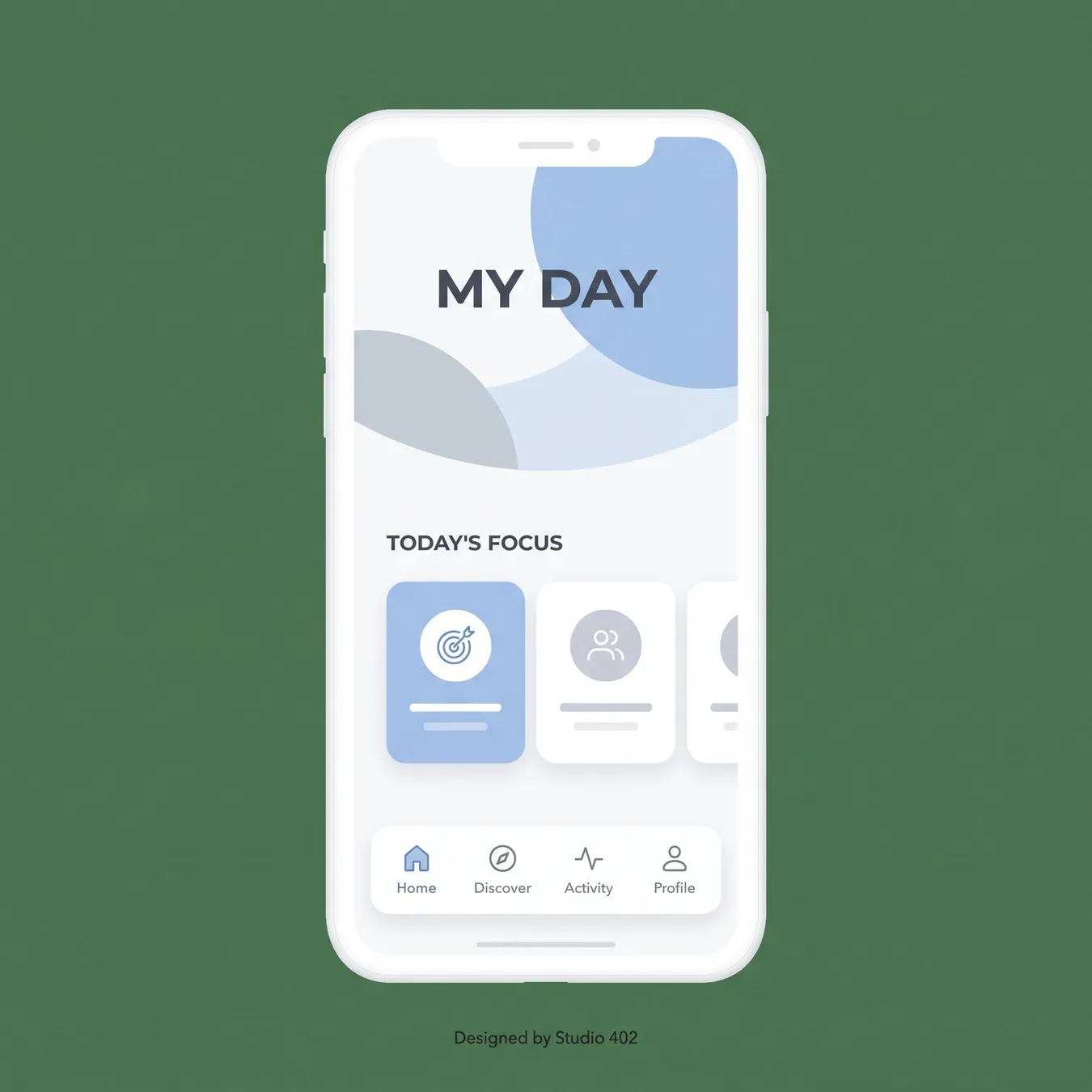
Production-ready UI design.
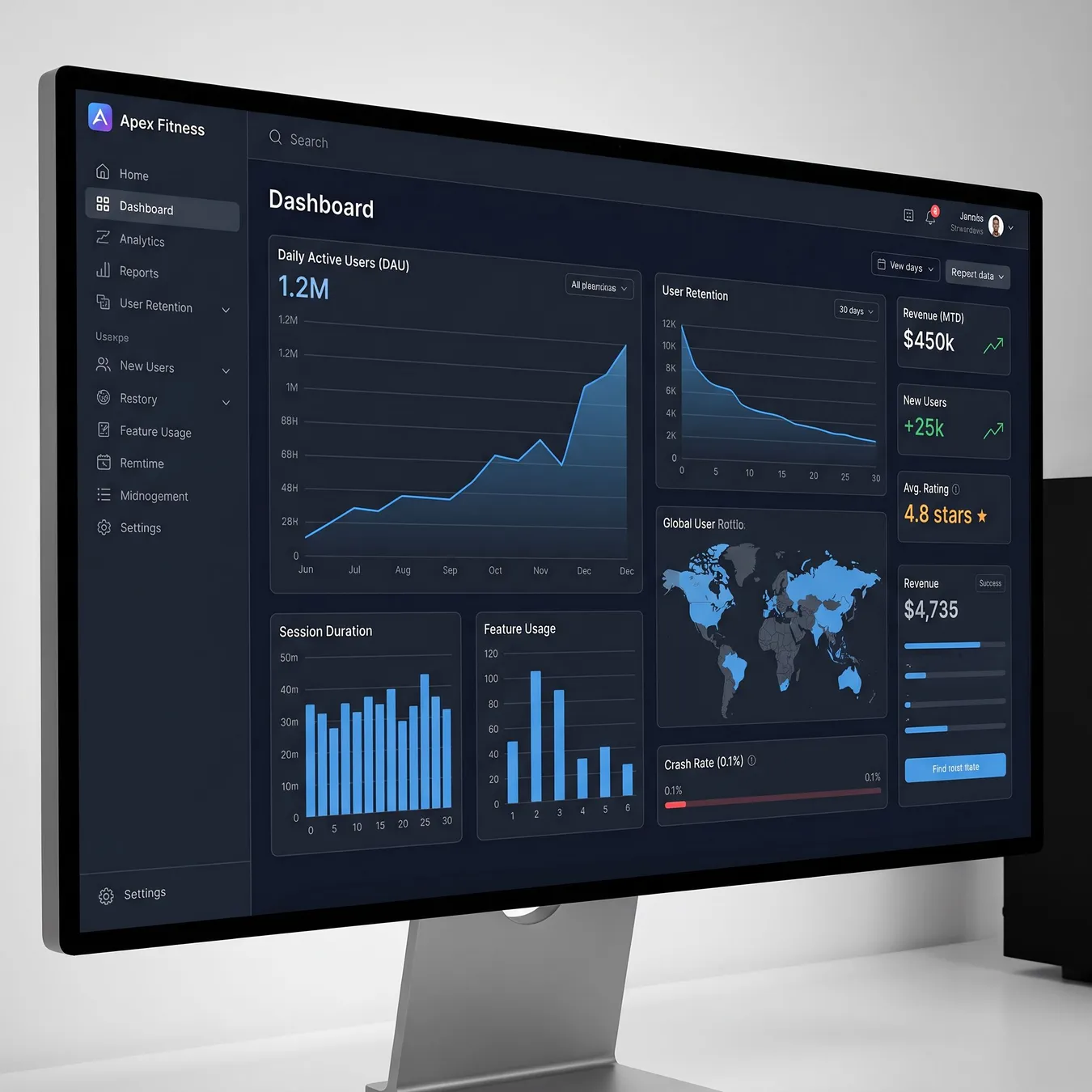
Data-driven mobile engineering.
Bridging Strategy to Execution
The right strategy is only as good as the team executing it. Whether you are rescuing a broken prototype or starting from zero, our engineering-first approach ensures your mobile product is built for real-world scale.
Studio 402 helped us navigate the complex choice between native and Flutter. We launched in record time with a product that feels completely native to our users.
Next Steps for Your Mobile Product
Ready to define your stack? We provide deep technical consulting to ensure your mobile strategy aligns with your business goals and technical constraints.
Build Your Mobile Future
Get a technical roadmap for your mobile application from our senior engineering team.
Deepen Your Technical Knowledge
Keep reading