
How to Develop a Mobile Application: Engineering Roadmap
Understanding how to develop mobile application products for production requires more than just writing code; it demands a structured engineering roadmap that balances speed with long-term stability.
85%
Apps fail due to poor architecture
40%
Cost reduction with cross-platform
2.5s
Target launch time for retention
Phase 1: Discovery and Strategic Scoping
Before you start mobile app development, you must define the scope of mobile app development to avoid feature creep and technical debt.
- Identify the primary user problem and core value proposition.
- Map out critical user journeys and essential features.
- Determine platform targets: iOS, Android, or both.
- Assess integration requirements for third-party APIs.
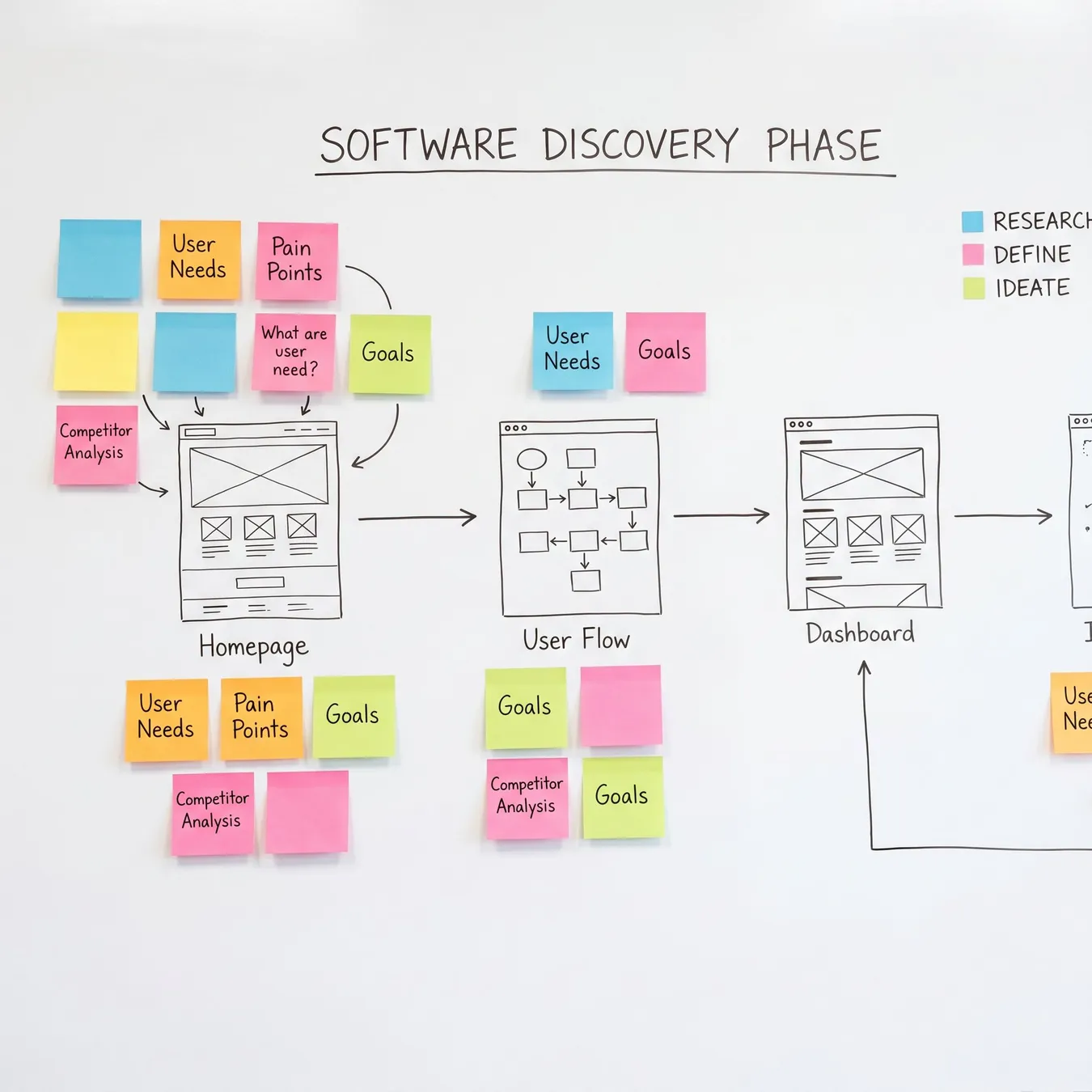
The discovery phase sets the technical foundation for your entire mobile project.
Phase 2: Architecture and Stack Selection
The development of mobile application systems hinges on choosing the right technology stack. This decision impacts performance, hiring, and future scalability.
| Approach | Performance | Time to Market | Cost |
|---|---|---|---|
| Native (Swift/Kotlin) | Highest | Slower | Higher |
| Cross-Platform (React Native) | High | Faster | Lower |
| Progressive Web App | Moderate | Fastest | Lowest |
Defining the Backend Infrastructure
How do you develop a mobile app that handles thousands of users? It starts with a scalable cloud backend, robust API layers, and secure data handling.
Phase 3: Integrated Design and Prototyping
Successful products require mobile app design development that bridges the gap between aesthetic UI and functional engineering.
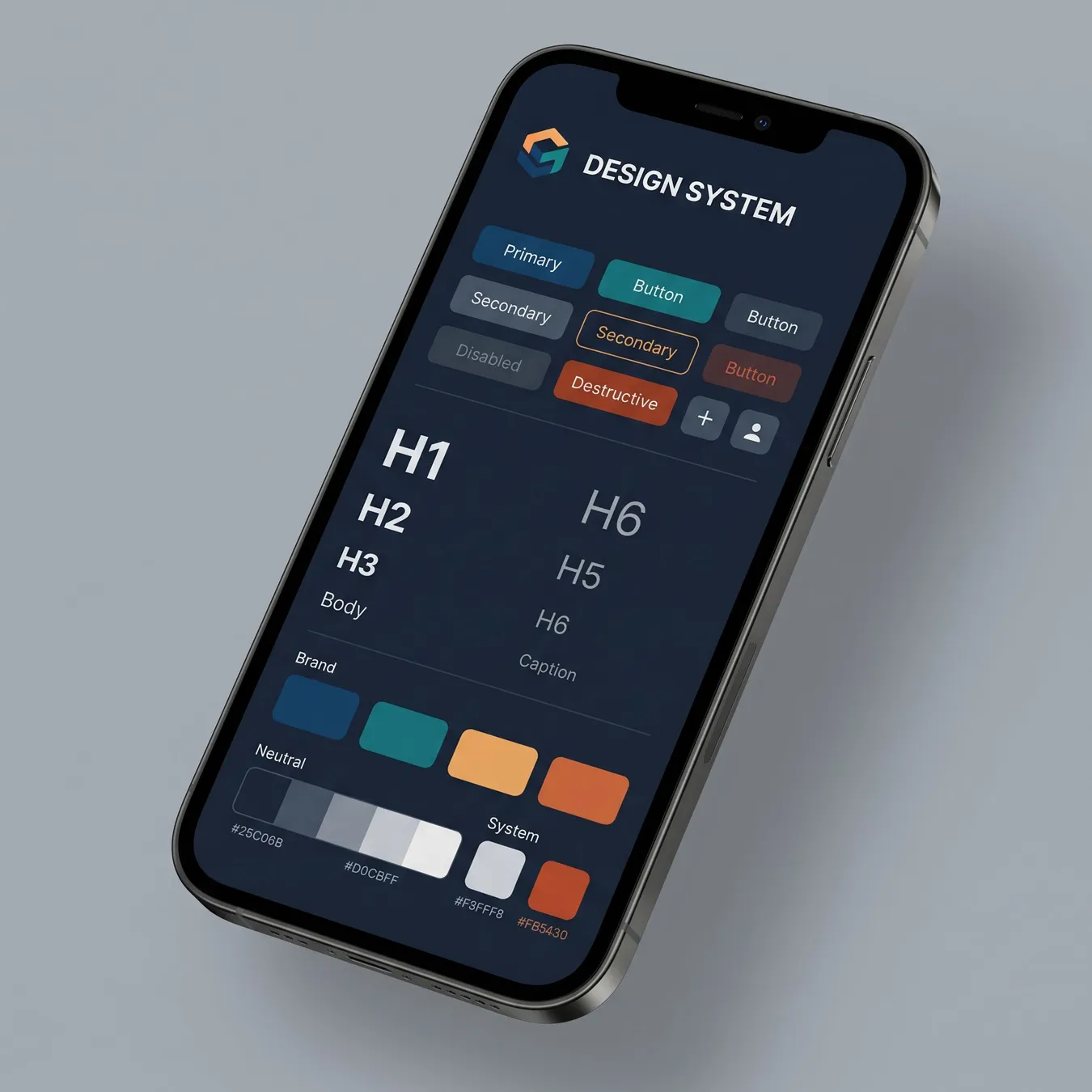
UI Design Systems
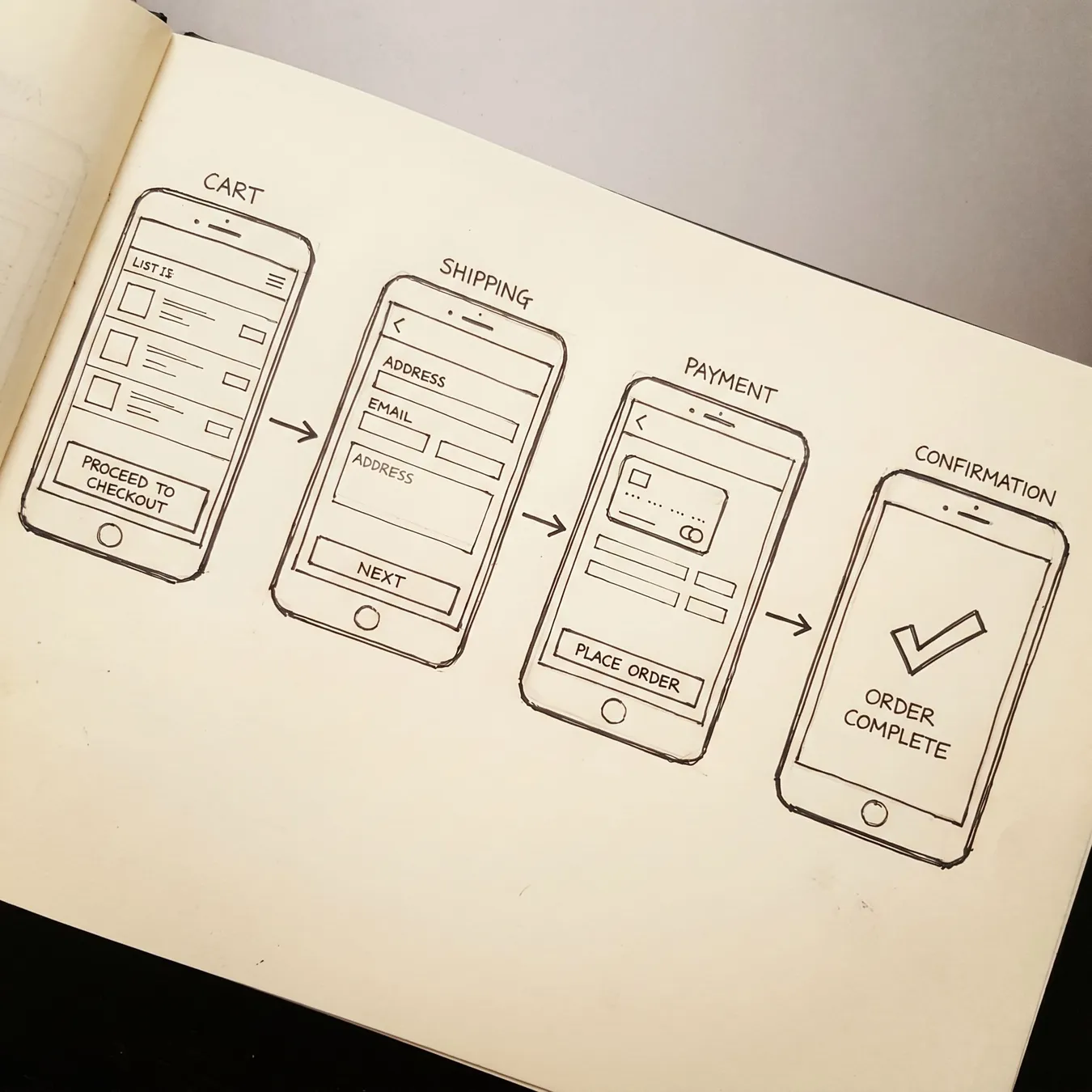
UX Wireframing
Phase 4: Core Engineering and Sprints
When you help building an app for a client, you follow an iterative process. This ensures that the code is tested and refined throughout the build.
01 / 04
phase 01 / 04
Environment Setup
phase 02 / 04
Feature Development
phase 03 / 04
API Integration
phase 04 / 04
QA & Testing
Phase 5: Production Hardening
How can i develop a mobile app that is secure? You must implement production hardening, including encryption, secure authentication, and vulnerability scanning.
Use OAuth 2.0 for secure user authentication.
Encrypt sensitive data at rest and in transit.
Implement comprehensive logging and observability.
Conduct regular security audits and penetration tests.
Hardcode API keys or secrets in the client-side code.
Ignore edge cases in network connectivity.
Skip automated testing for critical paths.
Store unencrypted user data on the local device.
Phase 6: Deployment and Release Management
The final step in end to end mobile app development is navigating the App Store and Google Play Store submission processes.
Prepare App Store metadata and screenshots.
Configure privacy policies and data usage disclosures.
Perform final smoke tests in the production environment.
Set up crash reporting and analytics monitoring.
Common Pitfalls in Mobile Development
Choosing Your Development Strategy
Trade-off
3 pros · 3 cons
Pros
Faster development cycles
Single codebase for two platforms
Lower long-term maintenance costs
Cons
Limited access to niche native APIs
Slightly larger app bundle sizes
Dependency on third-party frameworks
The Studio 402 Approach to Mobile Engineering
At Studio 402, we don't just build apps; we engineer durable systems. We bridge the gap between a founder's vision and a production-ready reality.
Our goal is to ensure that the software we ship today is the foundation for the growth you achieve tomorrow.
Studio 402 Engineering Team · Product Lead
Why Professional Engineering Matters
Many teams start with 'vibe-coded' prototypes that work in a demo but fail in the real world. We specialize in building and rescuing these products.
Info.
// Scale-Ready Architecture
Our Core Mobile Capabilities
- Cross-platform development with React Native and Flutter.
- Native iOS (Swift) and Android (Kotlin) engineering.
- Cloud-native backend architecture and API design.
- Post-launch support and performance optimization.
Case Study: From Prototype to Production
We recently helped a fintech startup rebuild a fragile freelancer-built app into a secure, high-performance platform that successfully closed their Series A.
Trusted by 50+ startups and growth-stage companies.
Updated July 2026
Navigating Technical Debt
Technical debt is inevitable, but it must be managed. Our roadmap includes scheduled refactoring to ensure your app remains agile.
The Importance of User Feedback
Data-driven iteration is the secret to mobile success. We integrate advanced analytics to track user behavior and identify friction points.
Ready to Build Your Mobile Product?
Whether you are starting from zero or need to rescue a broken prototype, Studio 402 provides the senior engineering leadership you need.
Start Your Mobile Project Today
Let’s discuss your roadmap and how we can build a production-ready mobile application together.
Explore More Resources
Frequently Asked Questions
Summary of the Development Roadmap
- 01
Strategic Discovery & Scoping
- 02
Architecture & Stack Selection
- 03
UI/UX Design & Prototyping
- 04
Agile Engineering Sprints
- 05
Security Hardening & QA
- 06
Store Submission & Launch
- 07
Iterative Growth & Maintenance
Building a mobile app is a journey. With the right engineering partner, it becomes a predictable path to market success.
- Mobile Engineering
- iOS & Android
- Production Ready
- Scalable Systems
Keep reading