
Mobile and Cloud App Development for Integrated Systems
Modern mobile experiences are only as powerful as the infrastructure supporting them. For companies that develop mobile and cloud apps, the challenge isn't just building a sleek interface; it's ensuring that the data synchronization, security, and scalability of the backend can handle real-world production loads without failure.
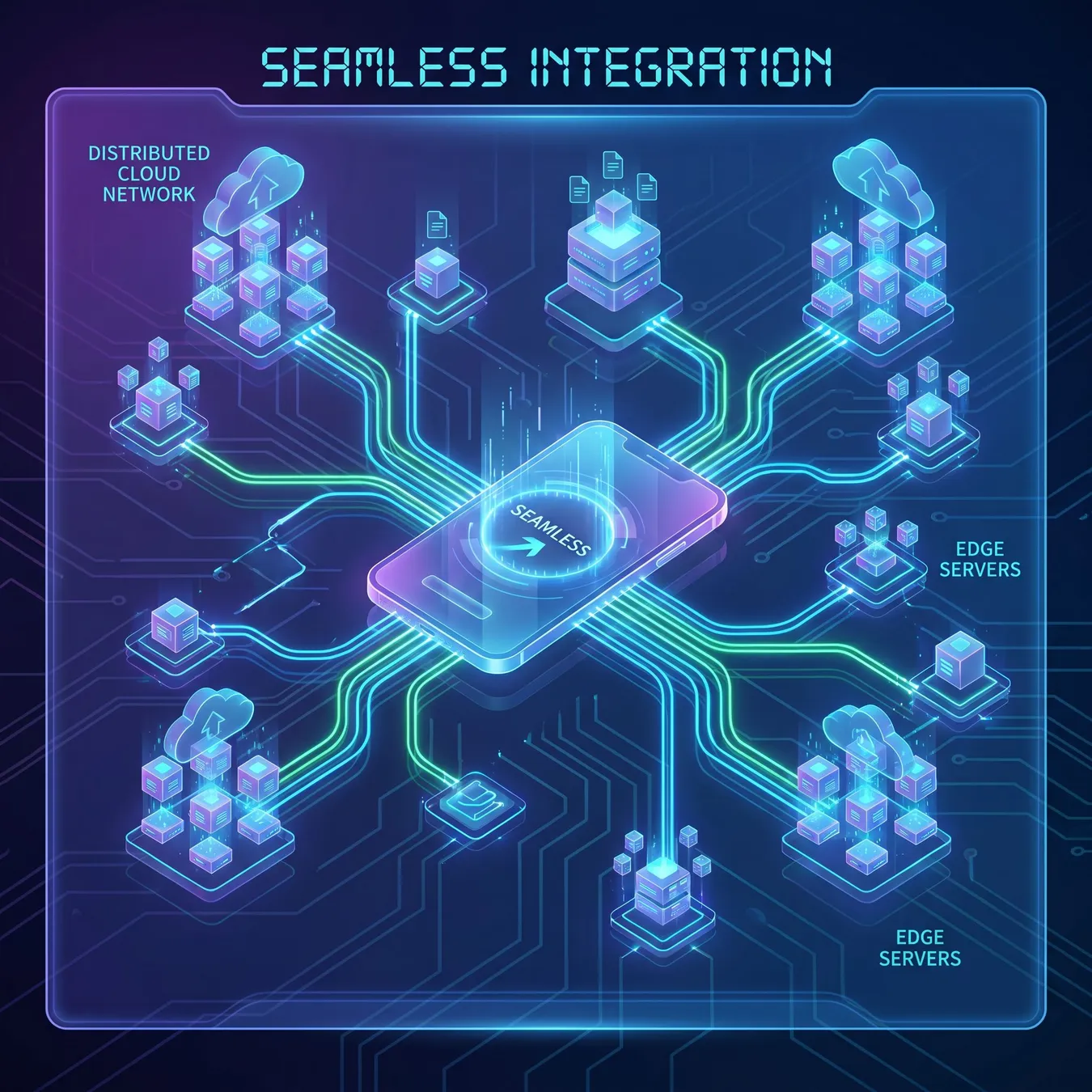
Integrated systems require a perfect handshake between mobile clients and cloud backends.
The Architecture of Integrated Mobile-Cloud Systems
An integrated system relies on a robust API layer that bridges the gap between the user's device and the cloud. This requires rigorous mobile app engineering to manage state, handle offline modes, and ensure that data remains consistent across multiple user sessions and devices.
99.99%
Uptime Target
<200ms
API Latency
Real-time
Data Sync
Why Cloud Integration is Essential for Modern Apps
Standalone mobile apps are increasingly rare. Today, users expect their data to be available everywhere. This shift has forced developers to prioritize building mobile apps at scale, where the cloud handles heavy processing, storage, and complex business logic that would otherwise drain a mobile device's resources.
- Centralized data management for multi-user collaboration
- Offloading intensive computations to scalable cloud clusters
- Seamless cross-platform synchronization (iOS, Android, Web)
- Enhanced security through server-side authentication and validation
- Push notification orchestration and real-time updates
Key Components of a Cloud-Backed Mobile App
To build a truly integrated system, several architectural pillars must be in place. These ensure that the app remains responsive even when the network is spotty or the server is under heavy load.
| Component | Function | Benefit |
|---|---|---|
| REST/GraphQL APIs | Data Transport | Standardized communication |
| Auth Services | Identity Management | Secure user access |
| Cloud Storage | Media & File Hosting | Scalable asset delivery |
| Edge Functions | Low-latency Logic | Faster response times |
Managing Data Synchronization Challenges
One of the most difficult aspects of mobile-cloud integration is conflict resolution. When two users edit the same data simultaneously while offline, the system must intelligently merge those changes once they reconnect.
Tip.
// Pro Tip
Security Standards for Integrated Systems
Security cannot be an afterthought. Integrated systems often handle sensitive user data that travels across public networks. Implementing end-to-end encryption and robust OAuth2 flows is mandatory for production-grade software.
Use HTTPS for all API communication
Implement token-based authentication
Sanitize all data on the server side
Encrypt sensitive data at rest
Store hardcoded API keys in the app
Trust client-side validation alone
Log sensitive user information
Use outdated SSL/TLS protocols
The Role of DevOps in Mobile-Cloud Ecosystems
Development doesn't end at launch. Maintaining the system requires managing the cloud infrastructure to ensure high availability and performance as your user base grows.

Continuous monitoring ensures system health.
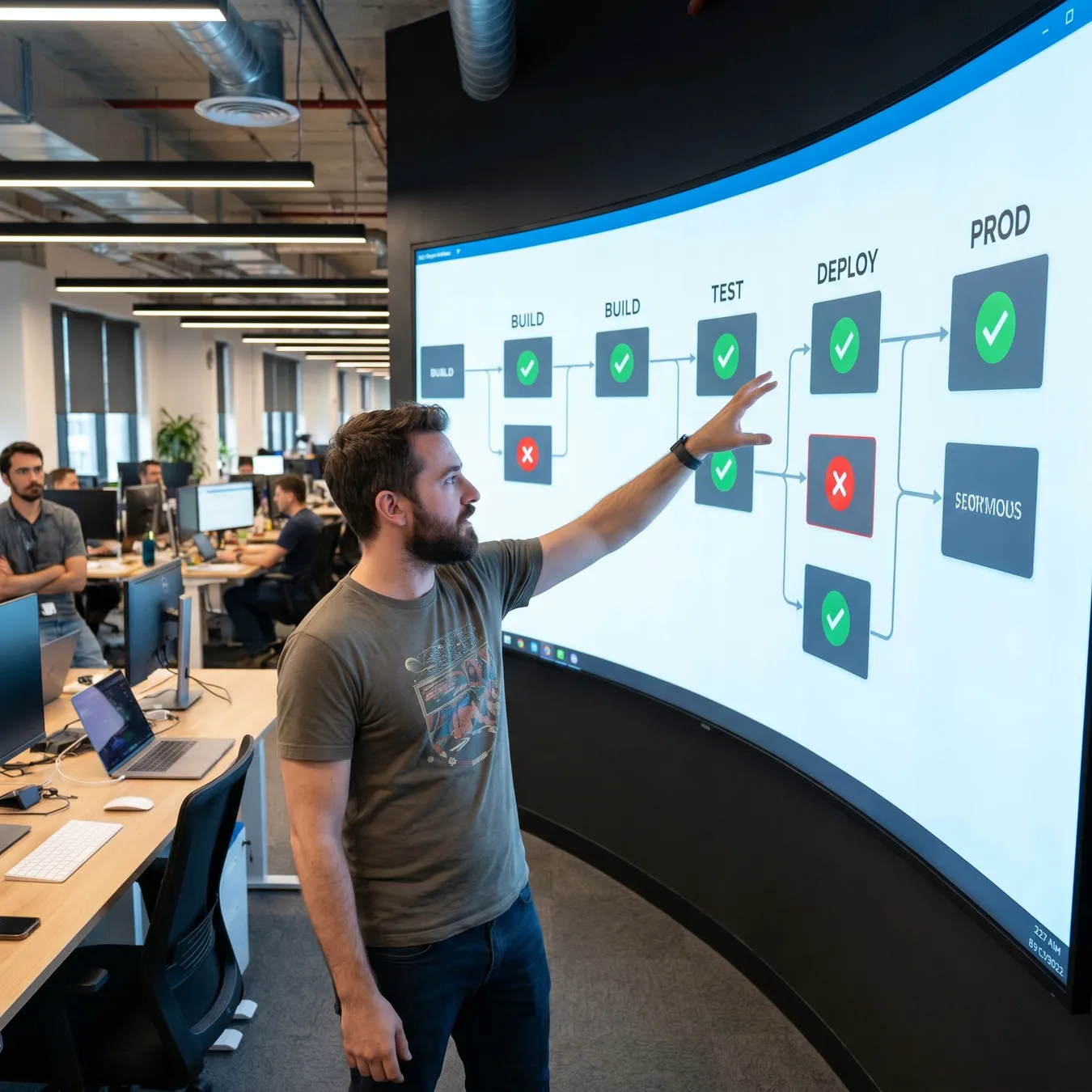
Automated deployments reduce release risk.
Choosing the Right Technology Stack
Selecting a stack involves balancing speed of development with long-term maintainability. Whether you choose React Native, Flutter, or Native Swift/Kotlin, the backend must be flexible enough to support your mobile strategy.
Trade-off
3 pros · 3 cons
Pros
Infinite scalability
Superior data consistency
Enhanced security controls
Cons
Higher initial complexity
Requires specialized cloud expertise
Increased infrastructure costs
Steps to Develop an Integrated Mobile-Cloud App
01 / 05
phase 01 / 05
Discovery & Architecture
phase 02 / 05
Backend Development
phase 03 / 05
Mobile Engineering
phase 04 / 05
Integration Testing
phase 05 / 05
Deployment & Scaling
Common Pitfalls in Mobile-Cloud Integration
Many teams fail by treating the mobile app and the cloud backend as two separate projects. This leads to 'vibe-coded' systems that work in a demo but break under the latency and unpredictability of real-world networks.
Verify API rate limiting is in place
Test app behavior on 3G/Edge speeds
Audit database indexing for query speed
Check for redundant data transfers
The Importance of Scalable Infrastructure
As your app gains traction, your backend must scale horizontally. Using serverless functions or containerized microservices allows your system to handle thousands of concurrent users without manual intervention.
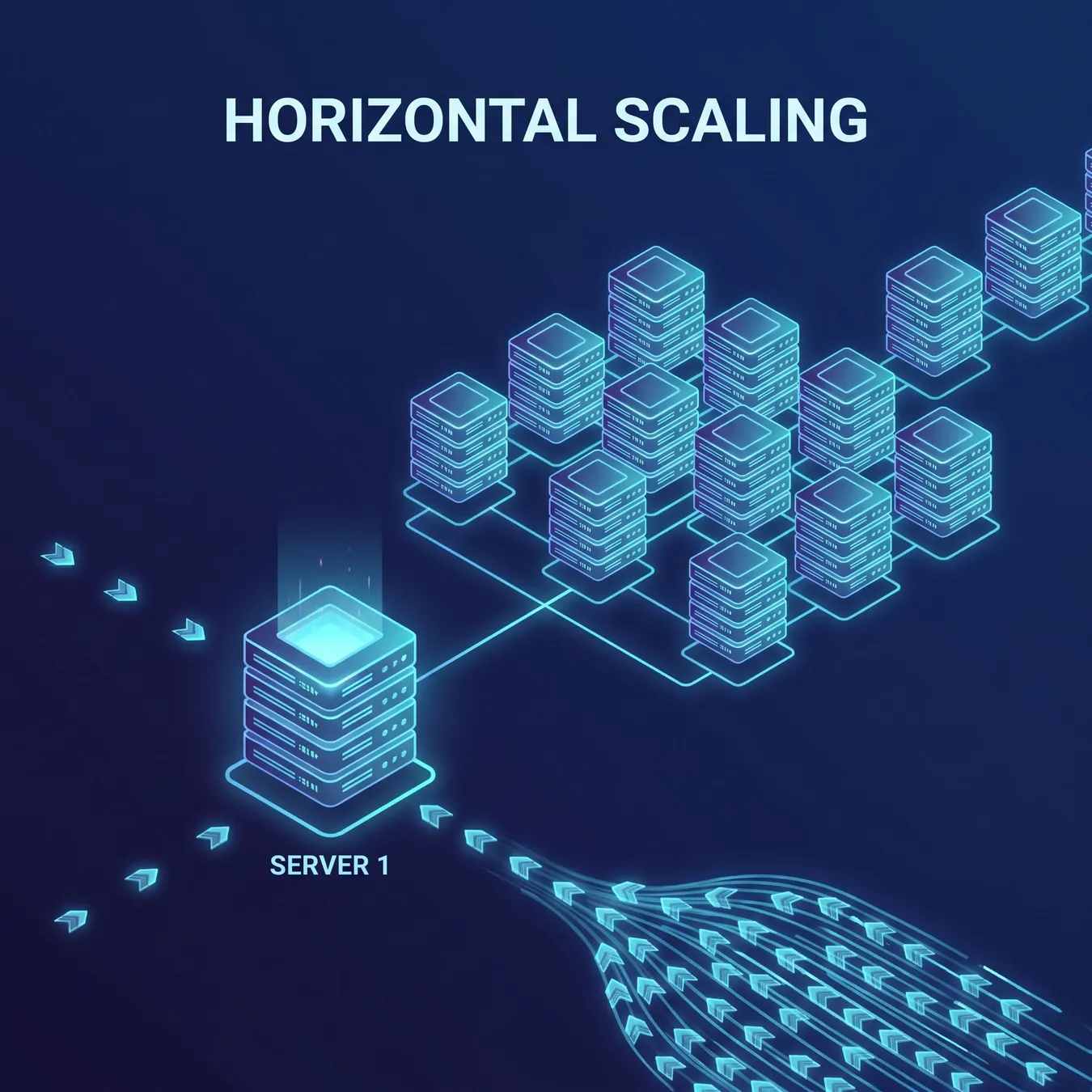
Scalable architecture adapts to user demand automatically.
Strategic Planning for Your Mobile Product
Before writing code, founders should seek mobile development and consulting to validate their technical roadmap. Deciding between a monolith or microservices early can save months of refactoring later.
Frequently Asked Questions
Bridging the Gap with Studio 402
At Studio 402, we don't just build apps; we engineer durable systems. We specialize in rescuing fragile prototypes and building production-ready mobile applications backed by world-class cloud infrastructure.
We build software that survives real users. Our focus is on the invisible architecture that makes the visible experience feel like magic.
Studio 402 Engineering Team
Our Approach to Integrated Development
We combine deep mobile expertise with platform engineering to deliver products that scale. Whether you are launching a new MVP or hardening an existing system, our team ensures your mobile and cloud layers work in perfect harmony.
Trusted by growth-stage startups to build and scale production-grade software.
From MVP to high-scale infrastructure.
Ready to Build a Scalable Mobile System?
If you are looking for companies that develop mobile and cloud apps with a focus on reliability and performance, let's talk about your project and how we can help you reach production.
Build Your Production-Ready App
Let’s discuss your mobile architecture and cloud integration needs.
Explore More Resources
Keep reading
More in Mobile App Development
Technical Excellence in Every Build
Our commitment to quality means we never cut corners on architecture. Every mobile app we develop is treated as a critical piece of business infrastructure.
- Production-Ready
- Cloud-Native
- Scalable
- Secure
Continuous Iteration
We believe in long-term partnerships, helping you evolve your mobile and cloud systems as your business requirements and user needs change over time.
From initial discovery to post-launch support, Studio 402 provides the senior engineering leverage you need to succeed in a competitive digital landscape.
Finalizing your mobile strategy requires a partner who understands both the pixel-perfect frontend and the high-availability backend. Reach out today to begin.