
Scaling Engineering Velocity for Series A+ Scaleups
Growth-stage companies often reach a critical inflection point where the initial codebase, built for speed and validation, begins to buckle under the weight of real-world scale. Maintaining high delivery speed while ensuring production-grade stability requires a shift from rapid prototyping to sustainable systems engineering.
40%
Velocity drop due to technical debt
Series A+
Typical scaleup transition point
99.9%
Uptime required for production trust
The Velocity Trap: Why Growth Slows Down After Series A
As customer counts rise, the 'vibe-coded' shortcuts that enabled early success become operational bottlenecks. Without a strategic shift, engineering teams spend more time on bug fixes and manual patches than on shipping new features.
- Monolithic architectures that prevent parallel development
- Lack of automated testing leading to regression cycles
- Manual deployment processes that increase risk and downtime
- Infrastructure that cannot handle multi-tenant scaling
Strategic Scaleup Development Outsourcing
For many leaders, scaleup development outsourcing is the most effective way to inject senior expertise into a scaling team without the friction of long hiring cycles. This model focuses on delivery-focused outcomes rather than simple staff augmentation.
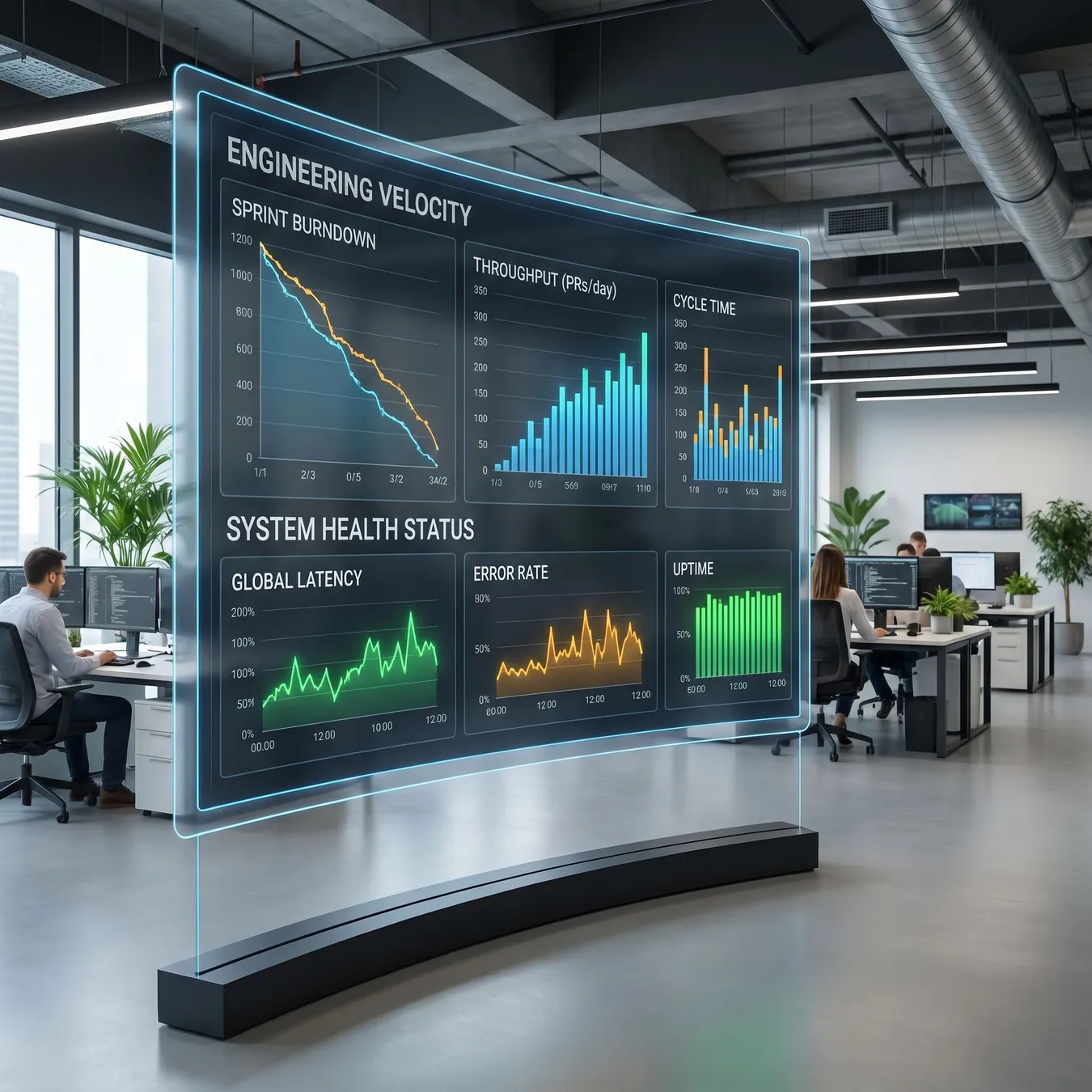
Visualizing engineering velocity is the first step toward optimizing it.
Identifying Bottlenecks with a Software Scalability Audit
Before scaling the team, you must understand where the system is fragile. A software scalability audit provides the diagnostic clarity needed to prioritize refactoring efforts over feature bloat.
Core Pillars of High-Velocity Engineering
Platform and Developer Productivity Engineering
Investing in developer productivity engineering ensures that your internal team can ship code safely and frequently. This involves building the internal tools and CI/CD pipelines that remove friction from the daily workflow.
Production-Grade Infrastructure
Scaleups require cloud architecture that supports tenant isolation, high availability, and automated scaling. Moving away from fragile hosting to managed cloud services is non-negotiable for Series A+ platforms.
Comparing In-House vs. Scaleup Software Development Company
Trade-off
3 pros · 3 cons
Pros
Immediate access to senior architecture expertise
Predictable delivery schedules and milestones
Reduced overhead for recruiting and management
Cons
Higher initial cost than junior individual contributors
Requires clear communication and documentation
Dependency on external partner for core systems
How to Scale Engineering Teams Effectively
When scaling software engineering teams, the goal is to maintain a flat velocity curve even as the headcount grows. This requires a structured framework for communication and ownership.
- 01
Define clear domain ownership for each sub-team
- 02
Standardize the tech stack to reduce cognitive load
- 03
Implement automated quality gates in the CI/CD pipeline
- 04
Establish a culture of documentation and knowledge sharing
The Role of a Software Engineering Consulting Company
A specialized software engineering consulting company acts as a strategic partner, helping leadership navigate build-vs-buy decisions and architectural pivots that define the next stage of growth.
Common Scaleup Engineering Challenges
The Roadmap to Production-Ready Systems
01 / 04
phase 01 / 04
Audit & Discovery
phase 02 / 04
Foundation Hardening
phase 03 / 04
Velocity Acceleration
phase 04 / 04
Continuous Evolution
Best Practices for Scaleup Engineering
Prioritize observability and monitoring early
Automate repetitive operational tasks
Invest in a robust internal design system
Ignore technical debt until it causes a crisis
Build custom solutions for solved problems
Scale headcount before fixing process friction
Bridging the Gap: Studio 402 for Scaleups
At Studio 402, we understand that Series A+ companies don't just need more developers; they need a senior engineering partner who can ship production-grade software that survives real-world use.
Info.
// Why Studio 402?
Real-World Outcomes for Growth Teams
Studio 402 didn't just write code; they rebuilt our deployment infrastructure and helped us clear a six-month backlog in eight weeks.
Scaling Your Technical Foundation
Whether you are migrating from a monolith to microservices or integrating advanced AI agents into your workflow, the foundation must be durable. We help you build for the future while delivering today.
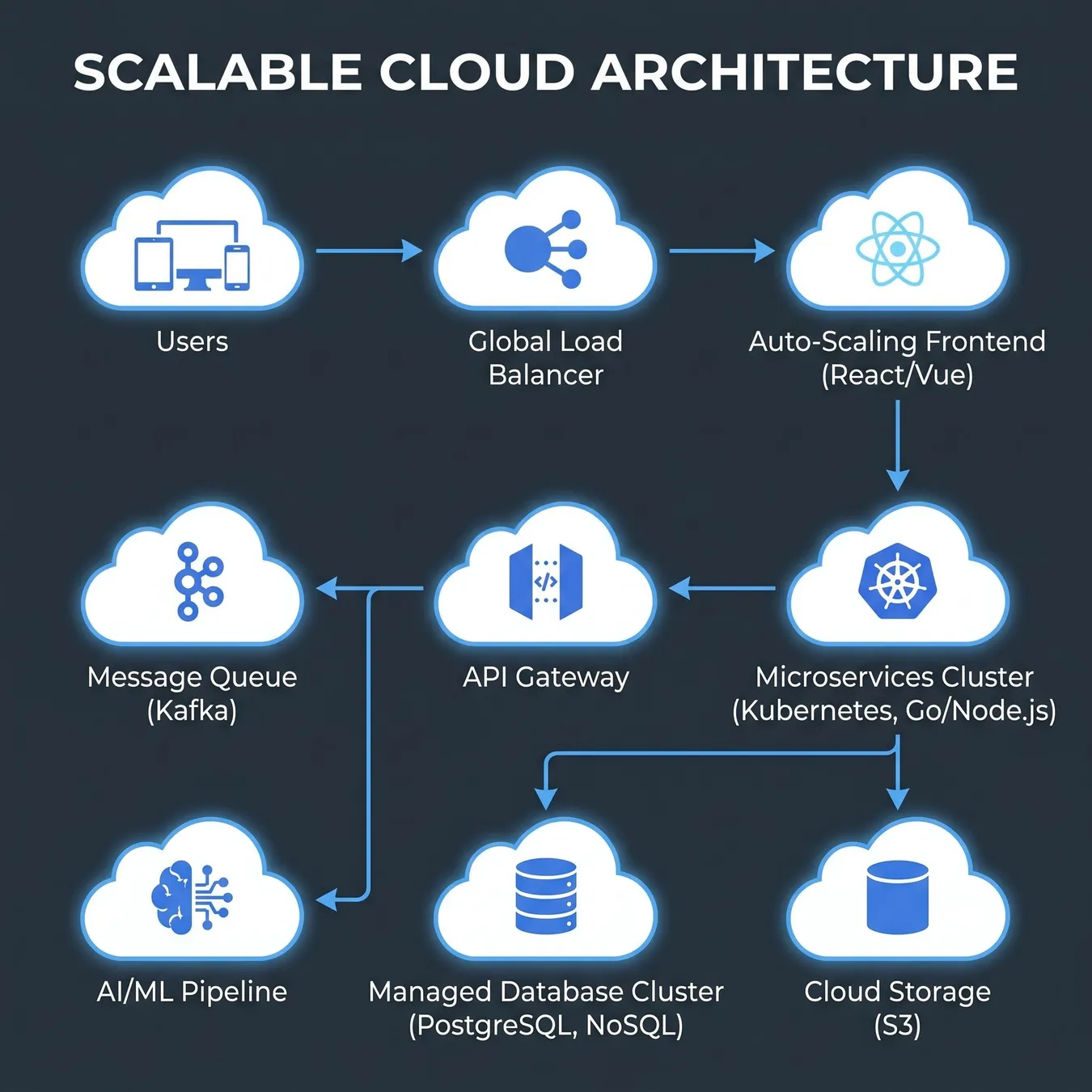
Architecting for the next 10x growth.

Senior expertise focused on delivery.
Operational Excellence for Scaleups
Operational drag is the silent killer of scaleup velocity. By replacing manual workflows with custom internal tools and automated systems, we unlock your team's ability to focus on core product innovation.
Ready to Accelerate Your Engineering Velocity?
Don't let technical debt or scaling friction hold back your growth. Partner with a studio that specializes in production-ready outcomes and strategic engineering support.
Start a Conversation with Studio 402
Let's discuss how we can help your engineering team scale and ship faster.
Explore More Engineering Resources
Scaleup Engineering Checklist
Complete a comprehensive scalability audit
Automate CI/CD and deployment pipelines
Implement centralized logging and monitoring
Standardize code review and quality standards
Define a clear technical debt repayment roadmap
Key Metrics for Scaleup Success
| Metric | Target | Impact |
|---|---|---|
| Deployment Frequency | Daily | Faster feedback loops |
| Change Lead Time | < 24 Hours | Increased agility |
| Mean Time to Recovery | < 1 Hour | System reliability |
The Future of Your Engineering Organization
Scaling is not just about adding more resources; it is about evolving your engineering culture and systems to handle the next level of complexity. With the right partner, this transition becomes a competitive advantage.
- Series A+
- Engineering Velocity
- Scaleup Strategy
- Production-Ready
Frequently Asked Questions
Keep reading
More in Software Development Outsourcing
Trusted by venture-backed teams to scale production systems.
Updated July 2026