
Software Development Outsourcing Contracts Guide
A software development outsourcing contract is the foundational blueprint for any successful engineering partnership. It defines the legal and operational boundaries that ensure your product is built to production standards while protecting your intellectual property and capital.
85%
Projects failing due to poor scope definition
100%
IP ownership clarity required for funding
24/7
Uptime targets defined in modern SLAs
Core Components of a Contract for Custom Software Development
When establishing a contract for custom software development, you must move beyond simple hourly rates. The agreement should explicitly detail the delivery standards, security protocols, and the specific technical stack used to build your solution.
- Detailed Statement of Work (SOW) and technical specifications
- Intellectual Property (IP) assignment and work-for-hire clauses
- Payment structures: Fixed-price vs. Time and Materials
- Service Level Agreements (SLAs) for maintenance and uptime
- Data protection and security compliance requirements

A well-structured contract protects both the client and the engineering studio.
The Practice of Contracting Custom Software Development
The practice of contracting custom software development to an outside firm requires a shift in management style. Instead of micromanaging tickets, the contract should empower the partner to own outcomes through clearly defined acceptance criteria.
Tip.
// Pro Tip: Outcome-Based Milestones
Intellectual Property and Ownership Rights
IP ownership is the most critical clause for startups. Ensure the contract states that all code, documentation, and design assets are 'work made for hire' and that ownership transfers to you immediately upon payment.
Specify that all source code belongs to the client
Include third-party library disclosures
Define the transfer of credentials and keys
Allow the vendor to keep core logic proprietary
Forget to include documentation in the IP transfer
Sign without a clear 'exit' clause for IP
Aligning Contract Milestones with Delivery
Your legal agreement should mirror the actual timeline of software development to avoid disputes during the build phase.
01 / 03
phase 01 / 03
Discovery & Scoping
phase 02 / 03
MVP Development
phase 03 / 03
Hardening & Security
Service Level Agreements (SLAs) and Support
Post-launch support is where many partnerships fail. A durable contract includes an SLA that defines response times for critical bugs and scheduled maintenance windows.
| Severity | Response Time | Resolution Goal |
|---|---|---|
| Critical (System Down) | Under 2 Hours | Same Day |
| High (Feature Broken) | Under 8 Hours | 24-48 Hours |
| Minor (UI/UX Bug) | Under 48 Hours | Next Sprint |
Security and Compliance Requirements
For companies in regulated industries, the contract must mandate the use of it compliance software to track access and maintain audit trails.
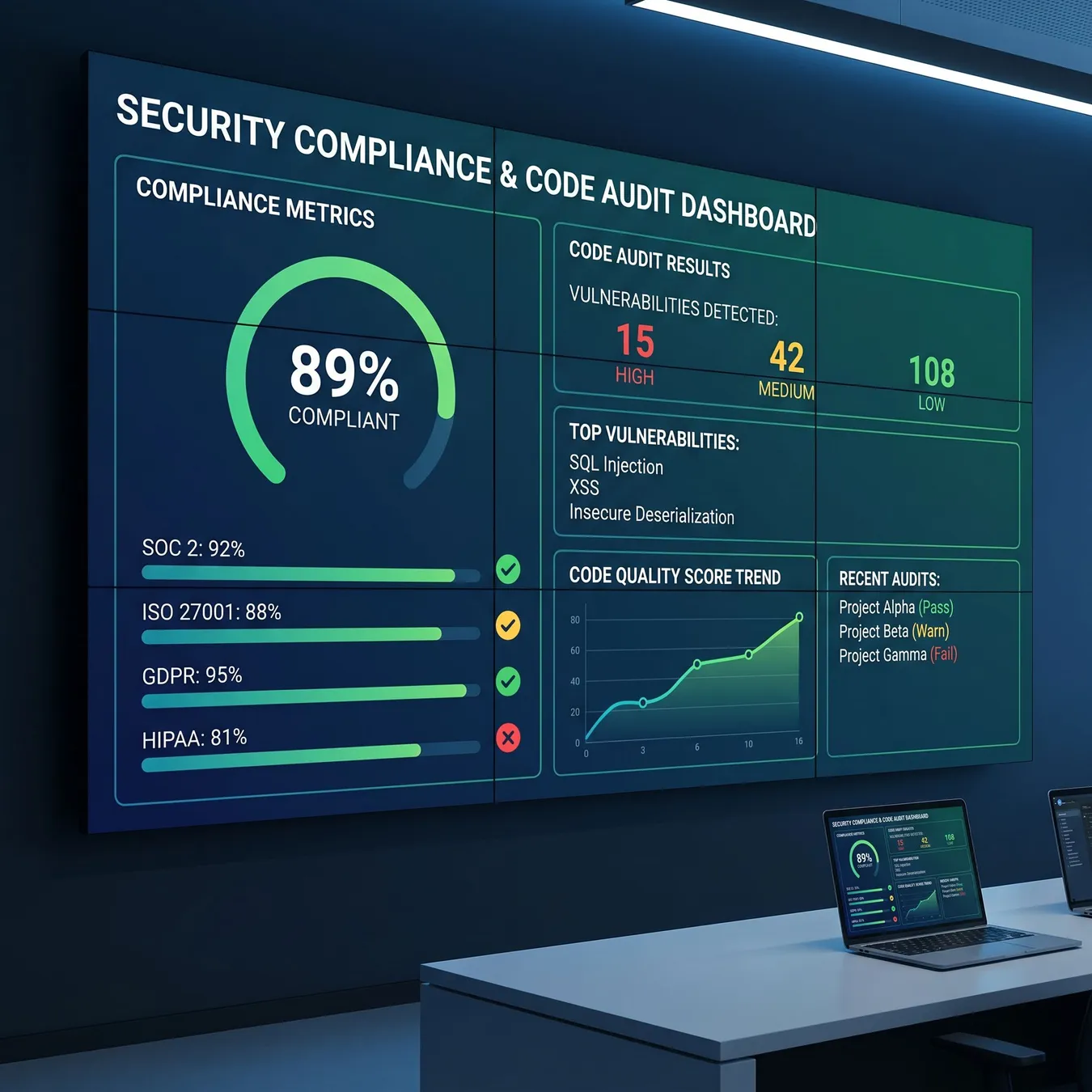
Technical compliance must be codified in the legal agreement.
Choosing the Right Engagement Model
Whether you choose a dedicated team or a project-based model, the contract must reflect the operational reality of how you work together.
Trade-off
3 pros · 3 cons
Pros
Fixed cost predictability
Clear scope boundaries
Lower management overhead
Cons
Less flexibility for changes
Higher risk of scope creep
Longer upfront planning
Termination and Transition Clauses
A 'durable' partnership acknowledges that things might change. Termination for convenience and transition assistance clauses ensure that you can move your code to a new partner without losing momentum.
30-day notice period for termination
Handover of all documentation and architectural diagrams
Final code audit and security sweep
Evaluating Your Development Partner
Before signing, you must verify that you are working with a software development consulting company that understands production-grade engineering.
Common Contract Pitfalls to Avoid
Many founders fall into the trap of using generic templates. Custom software requires custom legal language that addresses specific risks like API dependencies and third-party vendor lock-in.

Collaboration between legal and engineering is vital.
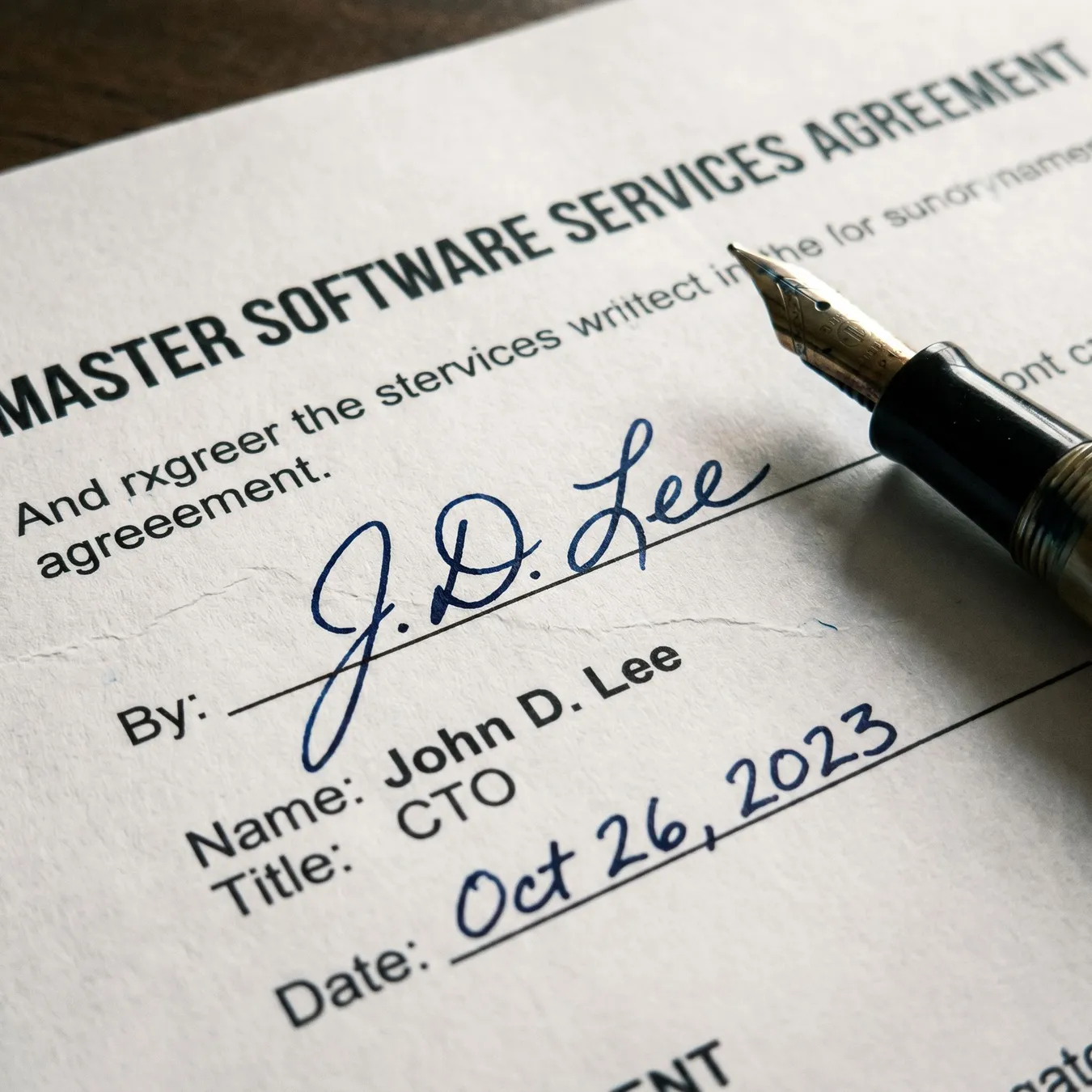
Finalizing the partnership framework.
The Role of a Custom Software Development Partner
A true custom software development partner acts as an extension of your team, ensuring the contract serves as a tool for collaboration rather than a weapon for litigation.
Frequently Asked Questions
Bridging Legal Frameworks to Production Reality
At Studio 402, we believe that a contract should be as clean and efficient as the code we write. We move beyond commodity outsourcing to provide production-ready systems that scale with your business.
Why Studio 402 is Different
We don't just ship tickets; we build durable execution infrastructure. Our contracts are designed to provide founders with total transparency, clear IP ownership, and a direct path to a production-grade launch.
The best contracts are the ones you never have to look at again because the partnership is built on shared goals and engineering excellence.
Studio 402 Engineering Team · Product Engineering
Next Steps for Your Engineering Partnership
Ready to move from a fragile prototype to a durable software system? Understanding the legal framework is just the beginning of building a successful product.
- Legal Guide
- Outsourcing Strategy
- IP Protection
- SaaS Development
Build Your Product with a Trusted Partner
Stop worrying about contract loopholes and start building production-ready software. Let's discuss your project today.
Trusted by growth-stage teams to ship durable software.
Updated for July 2026
Keep reading
More in Software Development Outsourcing
Operationalizing Your Contract
Once the ink is dry, the real work begins. Use your contract as a roadmap for weekly syncs, sprint planning, and quality assurance audits to ensure every milestone is met with precision.
- 01
Set up shared communication channels (Slack/Teams)
- 02
Establish a regular cadence for technical demos
- 03
Conduct monthly contract compliance reviews
- 04
Maintain a shared risk register for technical debt
The Importance of Technical Due Diligence
A contract is only as strong as the code it produces. Ensure your agreement allows for independent code audits to verify that the work meets the security and performance standards promised.
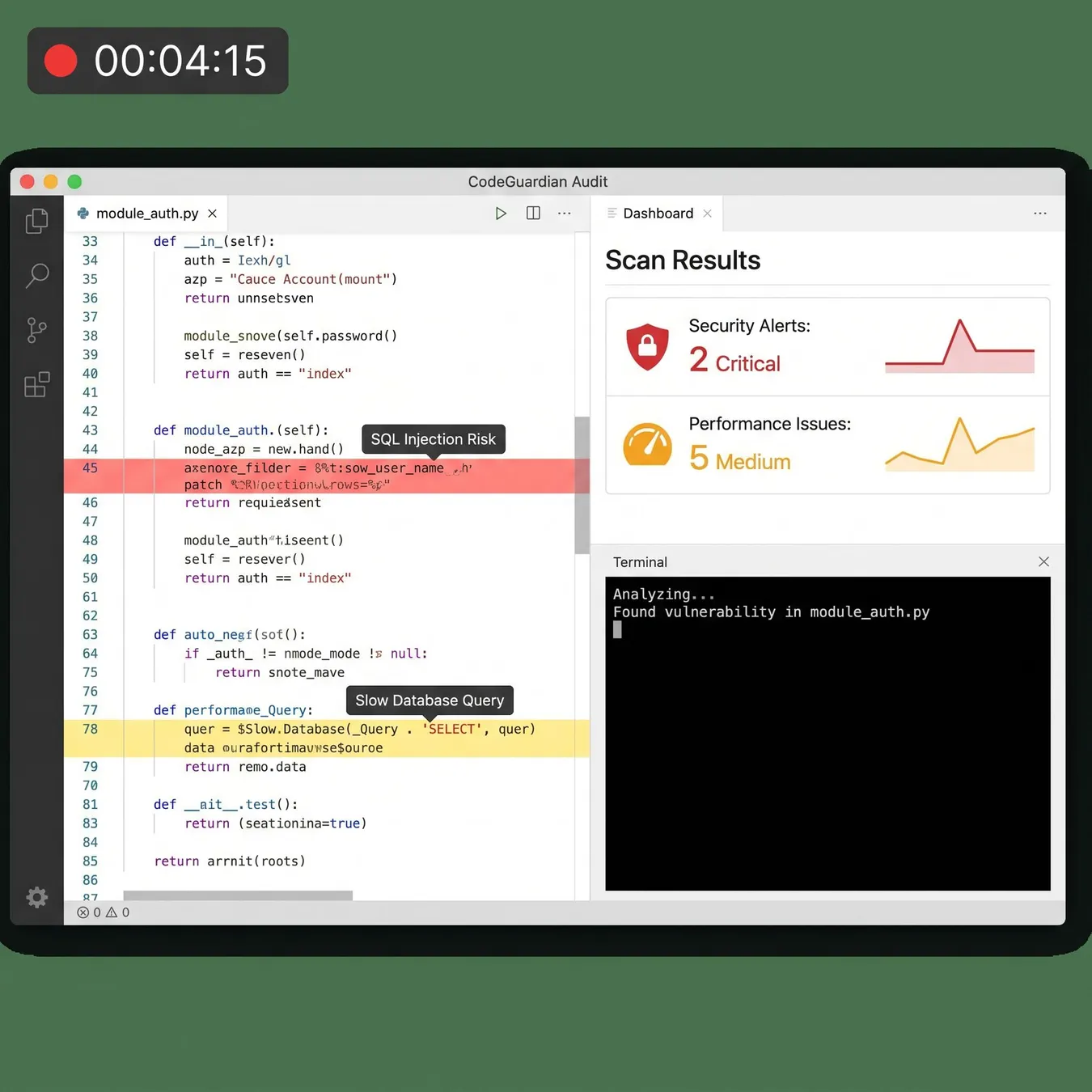
Regular audits ensure your contract's quality standards are actually being met.
Final Thoughts on Durable Partnerships
Outsourcing doesn't have to be a risk. With the right legal framework and an engineering-first partner, you can scale your velocity and build a product that lasts.