
Agile Engagement Models for Outsourced Software Development
Choosing the right engagement model is critical for the success of outsourced agile development teams. Unlike traditional fixed-scope contracts, agile models prioritize flexibility, transparency, and the delivery of production-ready software through iterative cycles.
- Agile Methodology
- Outsourcing Strategy
- Product Engineering
- SaaS Development
What are Typical Engagement Models for Outsourced Development Teams?
A typical engagement model for outsourced development teams defines how the client and the vendor interact, how costs are managed, and how project success is measured. In modern software development outsourcing agile frameworks, these models are designed to reduce risk and increase shipping velocity.
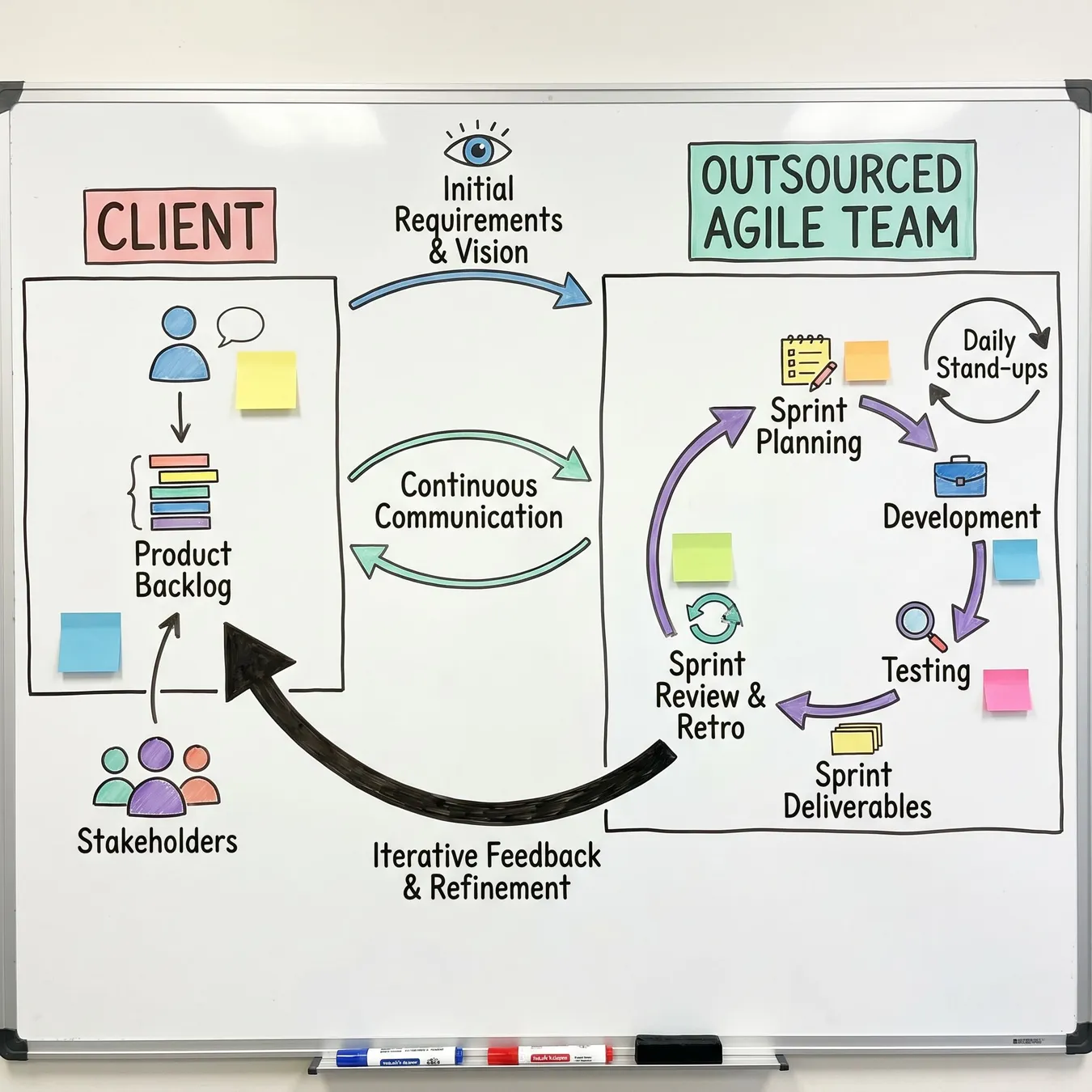
The collaborative structure of modern agile outsourcing engagements.
The Dedicated Team Model
In this model, the provider assigns a full-time team of engineers, designers, and product managers to your project. This is the most common approach for agile outsourced development because it allows for deep integration with your internal processes.
- Full control over team composition and priorities
- High alignment with long-term product goals
- Predictable monthly billing based on team size
- Ideal for complex SaaS platforms and ongoing maintenance
The Time and Materials (T&M) Model
The T&M model is highly flexible, where you pay for the actual hours worked by the engineering team. This is often used for agile saas development where the scope is expected to evolve based on user feedback.
Comparing Agile vs. Fixed-Price Models
Trade-off
3 pros · 3 cons
Pros
Adapts to changing market requirements
Continuous delivery of working software
Higher transparency into the build process
Cons
Requires active client involvement
Total budget can fluctuate with scope
Less predictable final delivery date
Key Components of a Successful Agile Engagement
To ensure that software development outsourcing agile remains effective, specific operational pillars must be in place. These pillars bridge the gap between high-level strategy and daily execution.
2-4 Weeks
Typical Sprint Duration
100%
Code Ownership Transfer
Daily
Sync Frequency
Transparency and Tooling
Agile engagements thrive on shared visibility. Using agile development process tools ensures that every stakeholder can track progress, view the backlog, and monitor velocity in real-time.
Step-by-Step: Onboarding an Outsourced Agile Team
01 / 04
phase 01 / 04
Discovery & Scoping
phase 02 / 04
Team Selection
phase 03 / 04
Environment Setup
phase 04 / 04
First Sprint Kickoff
Managing Risk in Agile Outsourcing
Info.
// The Role of Milestones
Effective risk management involves regular audits of the codebase and frequent demonstrations of working features. This prevents the 'black box' syndrome often associated with traditional outsourcing.
Setting Clear Milestones
By defining agile project milestones, teams can celebrate incremental wins while staying aligned on the ultimate production release goals.
Contractual Frameworks for Agile
The legal foundation of your partnership should reflect the iterative nature of the work. A standard contract for custom software development should include clauses for IP ownership, data security, and termination for convenience.
Define clear acceptance criteria for every task
Prioritize the product backlog weekly
Ensure direct access to the engineering team
Expect a fixed price for an undefined scope
Skip daily standups or sprint reviews
Ignore technical debt in favor of speed
Common Challenges in Agile Outsourcing
While agile models offer many benefits, they are not without challenges. Time zone differences, cultural nuances, and communication overhead can impact velocity if not managed proactively.
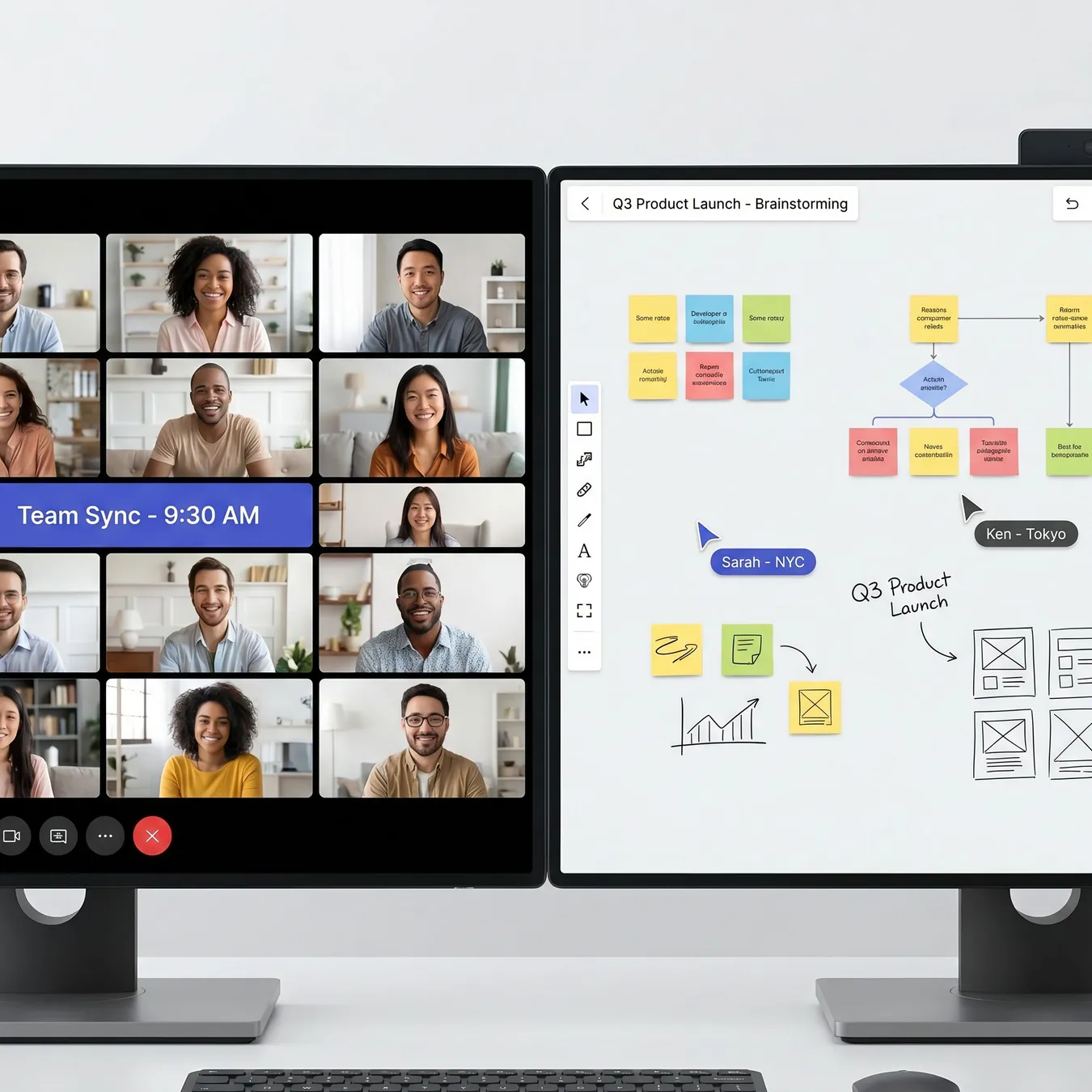
Overcoming geographical barriers with modern collaboration tools.
Communication Overload
Too many meetings can hinder engineering focus. Successful agile engagements use asynchronous communication for status updates and reserve synchronous time for high-value problem solving.
Why Production-Grade Outcomes Matter
In the world of outsourced agile development teams, the goal isn't just to write code—it's to ship software that survives real-world use. This requires a focus on security, scalability, and maintainability from day one.
Agile isn't an excuse for lack of documentation or poor architecture; it's a framework for delivering high-quality systems faster through disciplined iteration.
Studio 402 Engineering Lead · Product Engineering
Frequently Asked Questions
The Studio 402 Approach to Agile Delivery
At Studio 402, we don't just provide 'outsourced agile development teams'; we act as a senior engineering partner. We specialize in rescuing fragile prototypes and building durable systems that scale with your business.

Inside our production-first engineering process.
Whether you are building a new SaaS platform or need to harden an existing AI-native system, our engagement models are designed for maximum transparency and production-grade reliability.
Trusted by venture-backed startups and mid-market operators to ship scalable software.
Over 50+ production-ready products launched since 2022.
Selecting Your Engagement Model
Assess the clarity of your initial product requirements
Determine your internal capacity for daily team management
Evaluate the long-term roadmap and maintenance needs
Review the technical complexity and security requirements
Ready to Build Your Dedicated Team?
Finding the right partner is the first step toward high-velocity delivery. If you are ready to move beyond commodity coding and invest in a durable engineering foundation, we are here to help.
Start a Conversation with Studio 402
Let’s discuss your product goals and find the right agile engagement model for your team.
Explore More Resources
Keep reading
More in Software Development Outsourcing
| Model | Best For | Flexibility | Cost Predictability |
|---|---|---|---|
| Dedicated Team | Long-term SaaS | High | High |
| Time & Materials | MVPs & R&D | Very High | Medium |
| Fixed Price Agile | Small Projects | Medium | Very High |
Studio 402 transformed our fragmented development process into a high-velocity agile machine. Their dedicated team model felt like a true extension of our company.
In conclusion, the typical engagement models for outsourced software development teams provide the structure needed for innovation. By choosing an agile-first approach, businesses can ensure their software is built for the real world.