
In-House vs. Outsourced Development: Decision Framework
Technical leaders often struggle with how businesses decide between in-house vs outsourced development teams when launching new products. This choice impacts your speed, budget, and long-term system maintainability.
4-6 Months
Average time to hire a full internal team
2-4 Weeks
Average time to kick off with a studio
30-50%
Potential overhead savings with outsourcing
Core Trade-offs in Technical Team Selection
When you compare in-house vs outsourced technical campaign development, you are essentially weighing control against velocity. An internal team offers deep domain knowledge, while an external partner provides specialized expertise and immediate scale.
Trade-off
4 pros · 4 cons
Pros
Direct control over culture and priorities
Deep long-term institutional knowledge
Easier day-to-day communication
Fixed long-term salary costs
Cons
High recruitment and onboarding costs
Slower time-to-market for new features
Management overhead for non-technical founders
Risk of talent churn stalling progress
The Cost of Building In-House
Building an internal department requires significant upfront investment. Beyond salaries, you must account for benefits, equipment, and the management time required for scaling software engineering teams effectively.

Internal teams excel at long-term product evolution and cultural alignment.
The Speed of Outsourced Product Engineering
Outsourcing allows you to bypass the hiring bottleneck. This is critical for startups that need to validate an MVP or for established firms launching time-sensitive technical campaigns.
- Immediate access to senior architecture expertise
- Reduced liability and employment overhead
- Flexible scaling based on project phases
- Proven delivery processes and toolchains
Strategic Decision Matrix
To understand how businesses decide between in house vs outsourced development teams, we look at three pillars: Core IP, Timeline, and Budget Predictability.
| Factor | In-House | Outsourced Studio |
|---|---|---|
| Setup Speed | Slow (Months) | Fast (Weeks) |
| Domain Depth | Very High | High to Moderate |
| Flexibility | Low | Very High |
| Cost Type | Fixed OPEX | Variable CAPEX |
When to Hire In-House
If the software is your primary competitive advantage and requires daily iteration over years, you should learn how to hire software engineers who align with your long-term vision.
Product is past the MVP stage and has found market fit
You have the budget for full-time senior leadership (CTO/VP Eng)
The core technology is a proprietary trade secret
You have a stable 12-24 month roadmap
When to Partner with a Studio
Outsourcing is often the superior choice for greenfield projects, specialized AI integrations, or when internal bandwidth is capped by legacy maintenance.
Tip.
// The Hybrid Model
Evaluating Technical Complexity
Sometimes the decision isn't just about people, but tools. Evaluating low code vs no code options alongside custom development is a key part of the modern build-vs-buy framework.
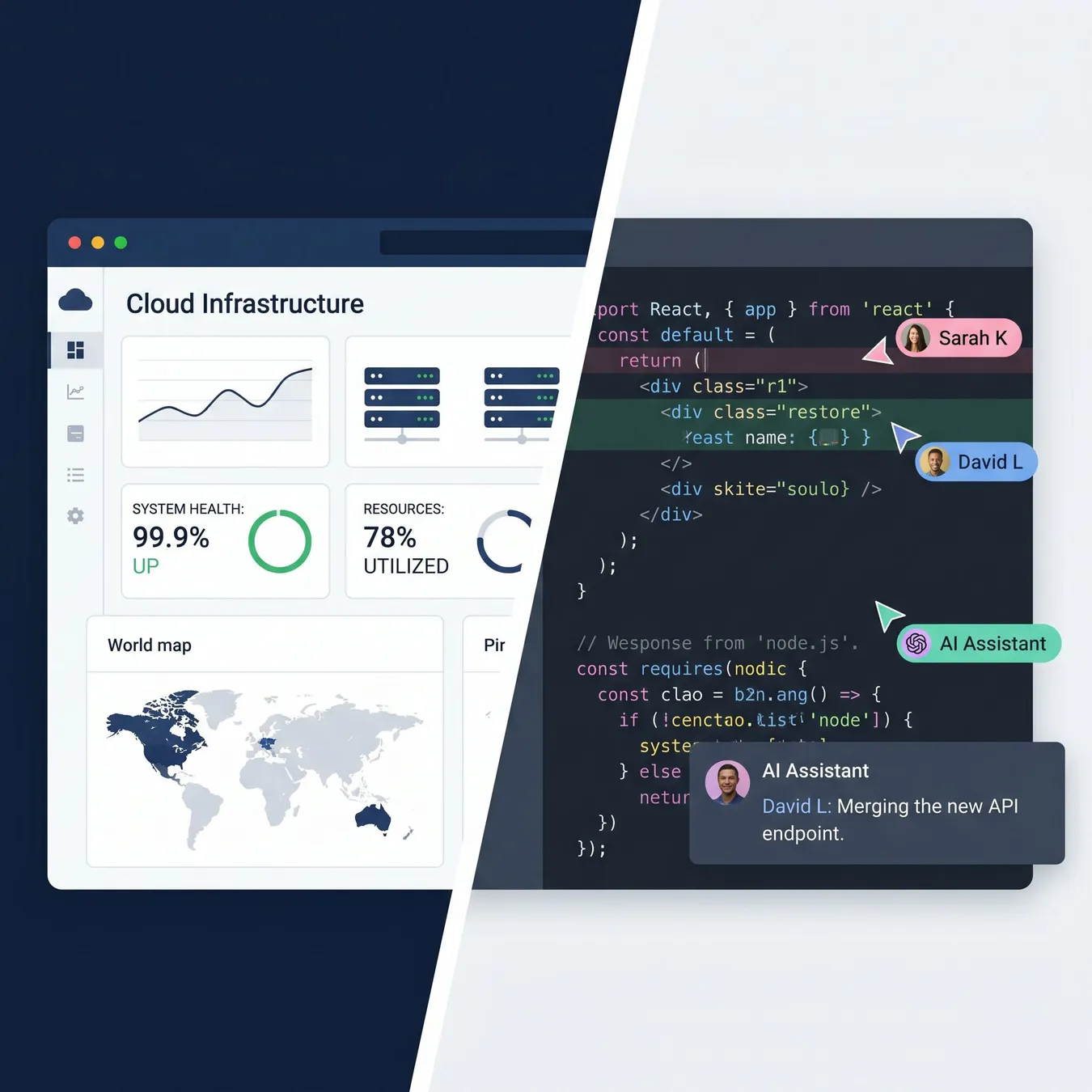
Modern studios provide both the code and the infrastructure to run it.
Risk Mitigation in Outsourcing
The biggest risk in outsourcing is 'code-and-run' delivery. To avoid this, you need a software development consulting company that prioritizes documentation and knowledge transfer.
Define clear acceptance criteria for every milestone
Ensure you own the IP and repository from day one
Schedule weekly demos of working software
Choose partners with production-grade experience
Don't optimize for the lowest hourly rate
Don't ignore the importance of DevOps and CI/CD
Don't outsource your primary product vision
Don't skip the technical due diligence on the partner
The Impact on Time-to-Market
In competitive markets, being second often means being last. Outsourcing provides the 'burst capacity' needed to hit critical windows without the long-term drag of a massive payroll.
01 / 04
phase 01 / 04
Discovery
phase 02 / 04
Architecture
phase 03 / 04
Sprint Cycles
phase 04 / 04
Production Launch
Quality and Security Considerations
A common myth is that in-house code is inherently higher quality. In reality, quality is a function of engineering discipline, regardless of where the developer sits.
The best code isn't written by the person closest to the water cooler; it's written by the team with the best automated testing and peer review culture.
Senior Solutions Architect · Studio 402
Managing the Transition
If you decide to start with a studio and later move in-house, the transition must be planned. This requires clean code, thorough documentation, and a partner willing to help you hire your replacement.
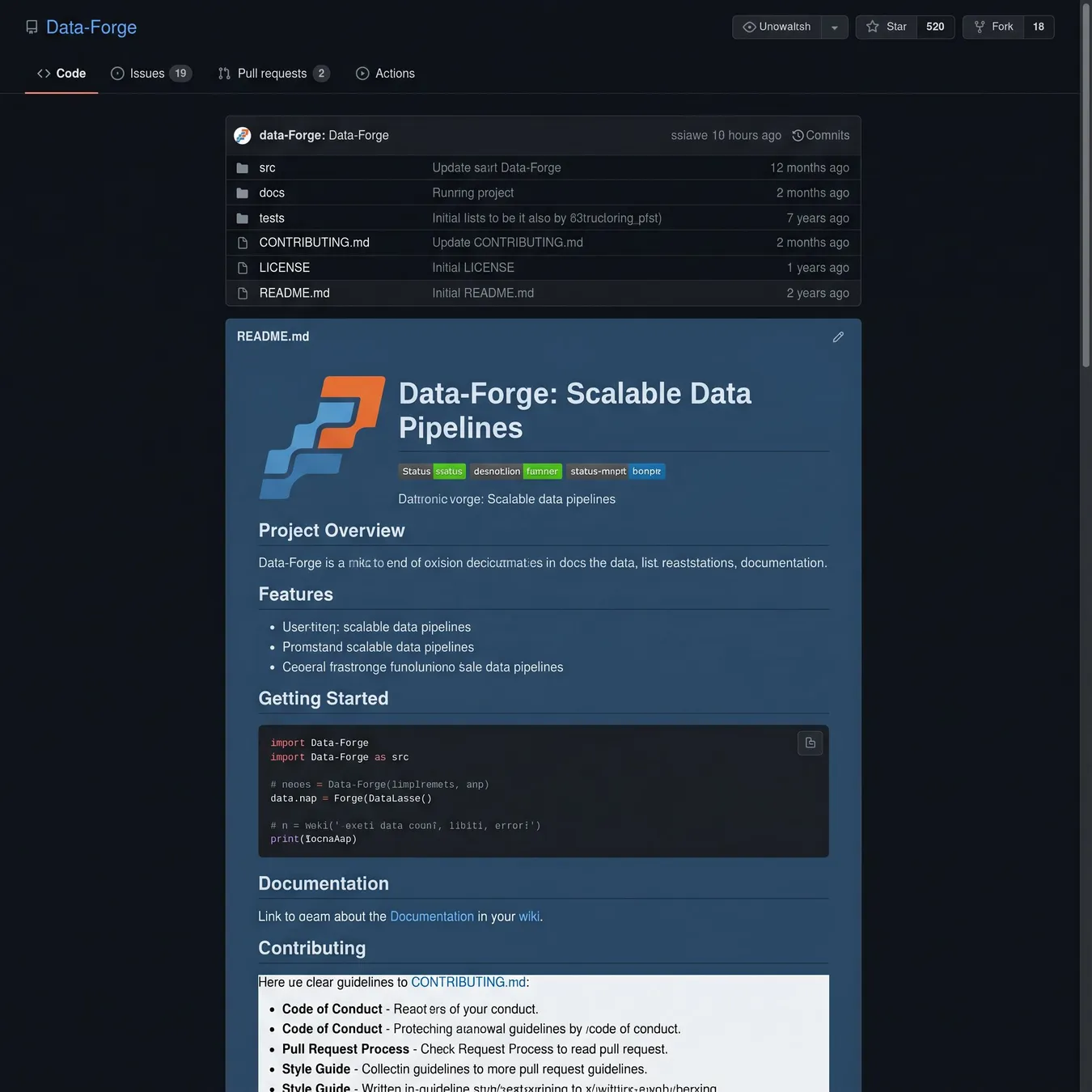
Documentation is the bridge between external and internal teams.
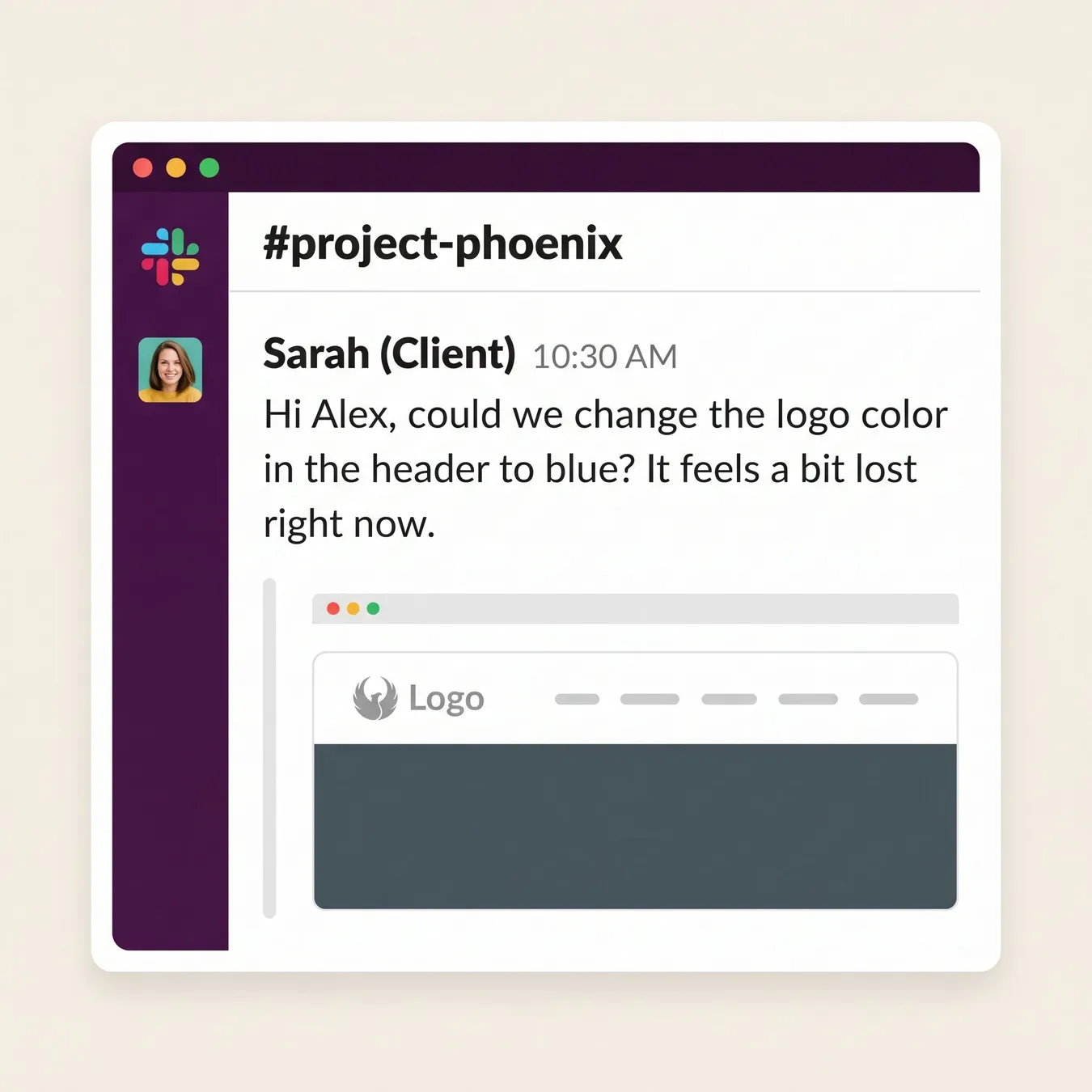
Communication tools reduce the distance in remote partnerships.
Decision Framework Summary
The decision between in-house and outsourced development is not binary. It is a strategic choice based on your current stage, technical debt, and growth targets.
- MVP Phase
- Scale-up
- Enterprise
- AI Integration
- Cloud Native
Frequently Asked Questions
Bridging Strategy and Execution
At Studio 402, we don't just provide 'outsourced labor.' We act as a product engineering partner that builds foundations for your future in-house team to inherit.
Whether you are rescuing a prototype that won't scale or building a new SaaS from scratch, we provide the senior oversight and production discipline that commodity agencies lack.
Trusted by venture-backed startups and mid-market operators to ship production-grade software.
Updated for July 2026
Ready to Build Your Production-Grade Product?
Stop waiting for the perfect hire. Let's discuss your roadmap and how our engineering studio can accelerate your delivery.
Further Reading on Engineering Strategy
Keep reading
More in Software Development Outsourcing
Technical Decision Resources
Navigating the complexities of modern software delivery requires more than just code. Explore our hub for more insights on software development outsourcing.
- Architecture reviews for scaling products
- Security-first development protocols
- Cloud infrastructure migration guides
- AI-native system design patterns
Our goal is to ensure that every line of code we ship serves as a durable asset for your business, regardless of your long-term hiring plans.
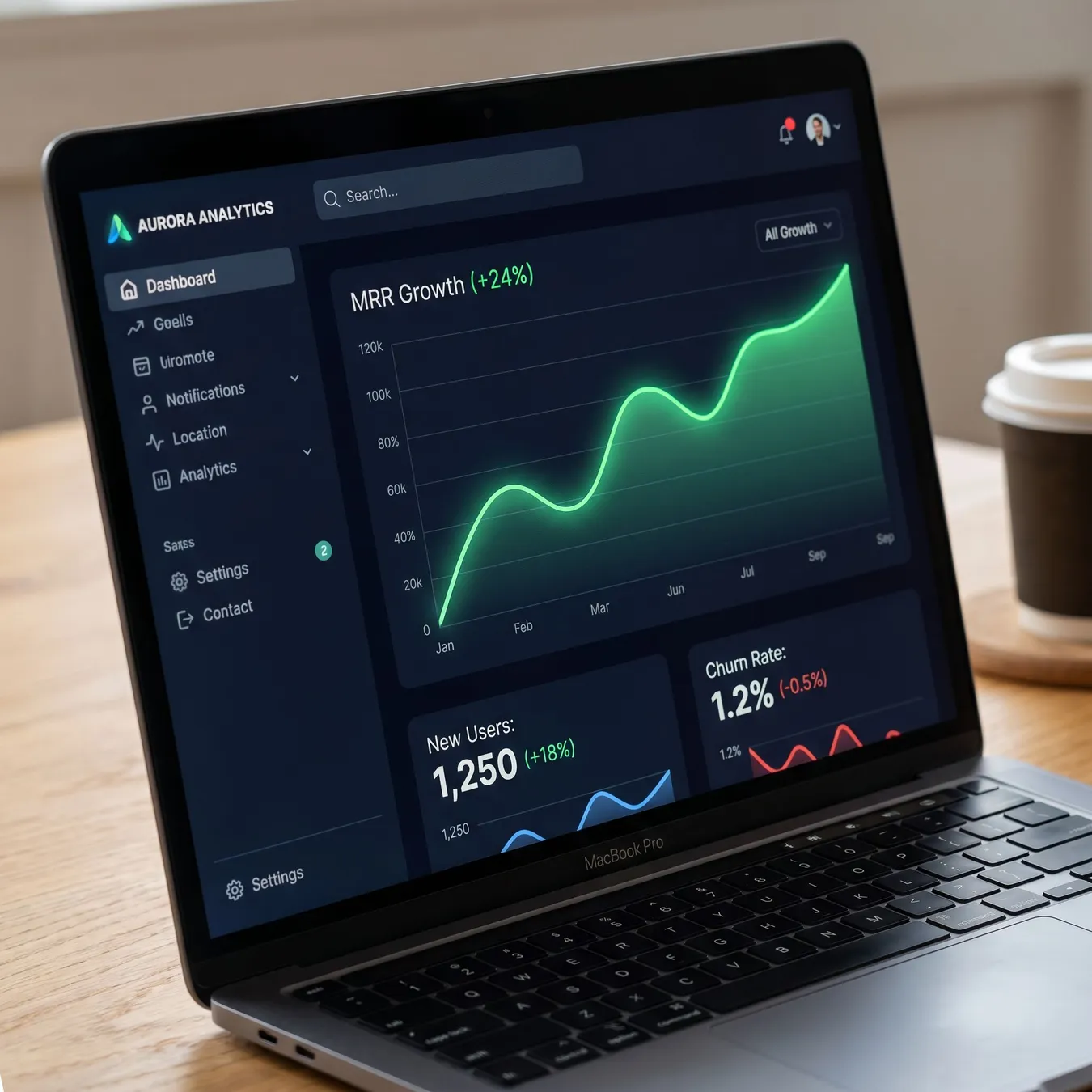
The end goal: software that drives business growth.
If you are ready to move from 'vibe-coding' to production-ready systems, we are here to help you navigate that transition with senior engineering expertise.
Final Decision Checklist
Assess your internal management bandwidth
Calculate the total cost of ownership (TCO) for a hire
Define the critical path for your next release
Audit your current codebase for technical debt
Interview at least two potential studio partners
Choosing between in-house and outsourced development is a milestone in your company's growth. Make it with data, not just intuition.