
Modernizing Insurance Legacy Systems
Many insurance providers are held back by brittle infrastructure that limits product velocity and increases operational risk. Initiating an insurance legacy system transformation is no longer just a technical upgrade; it is a strategic necessity to maintain market relevance.
70%
Legacy maintenance cost
40%
Efficiency gain via AI
100%
Audit traceability
The Challenges of Outdated Insurance Infrastructure
Legacy systems often lack the flexibility to integrate with modern APIs, leading to data silos and manual workarounds. These bottlenecks prevent teams from leveraging intelligent process automation in insurance to its full potential.
- High maintenance costs for mainframe systems
- Lack of real-time data accessibility
- Difficulty meeting evolving regulatory requirements
- Security vulnerabilities in aging codebases
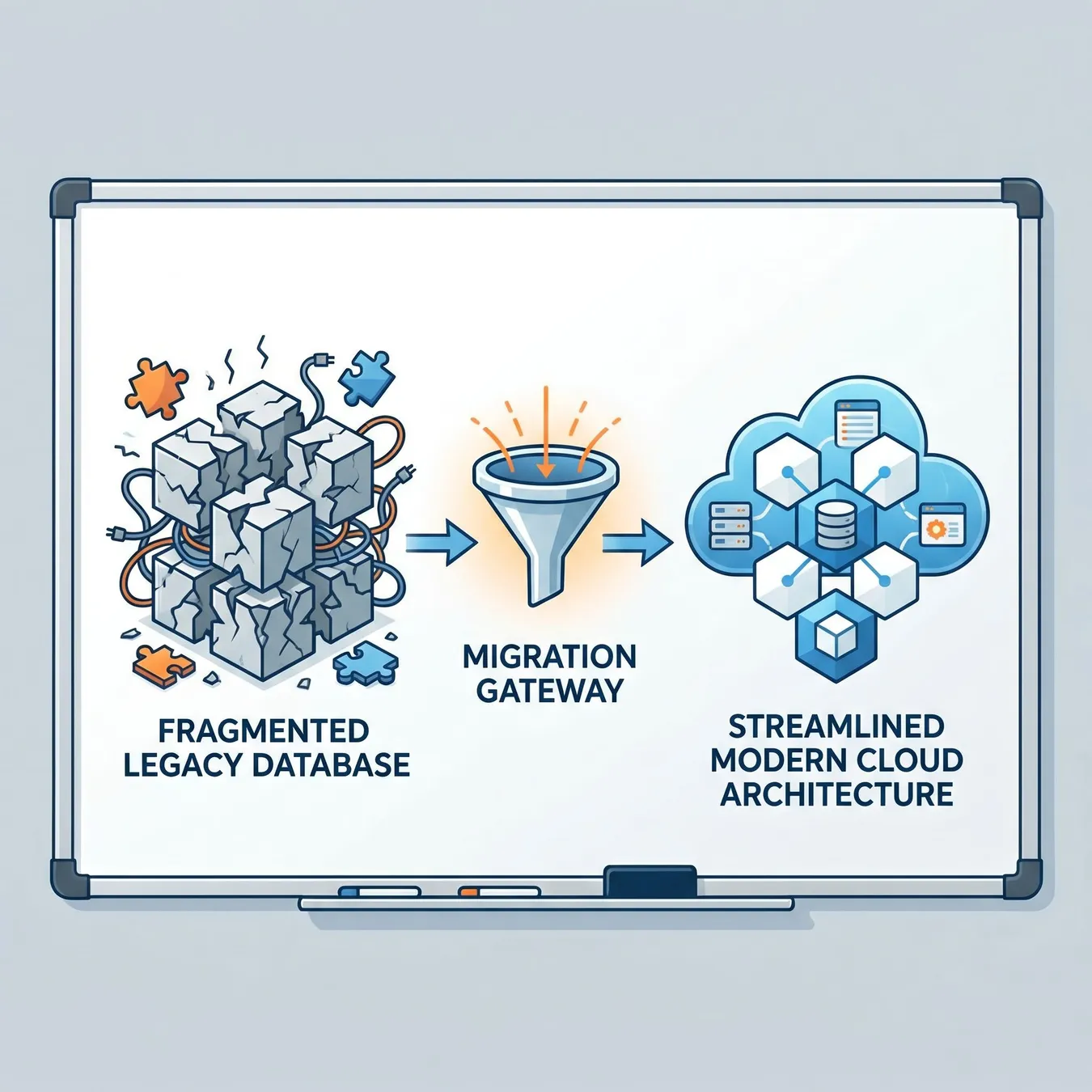
Visualizing the shift from siloed legacy systems to integrated modern platforms.
Defining Intelligent Process Automation in Insurance
Intelligent automation goes beyond simple scripts by incorporating machine learning and AI to handle complex decision-making. This is particularly effective for claims processing and underwriting.
Info.
// Automation vs. Scripting
The Role of Insurance Compliance Software
Modern insurance compliance software ensures that every transaction is logged and every policy update adheres to regional laws. This reduces the burden on legal teams and minimizes the risk of heavy fines.
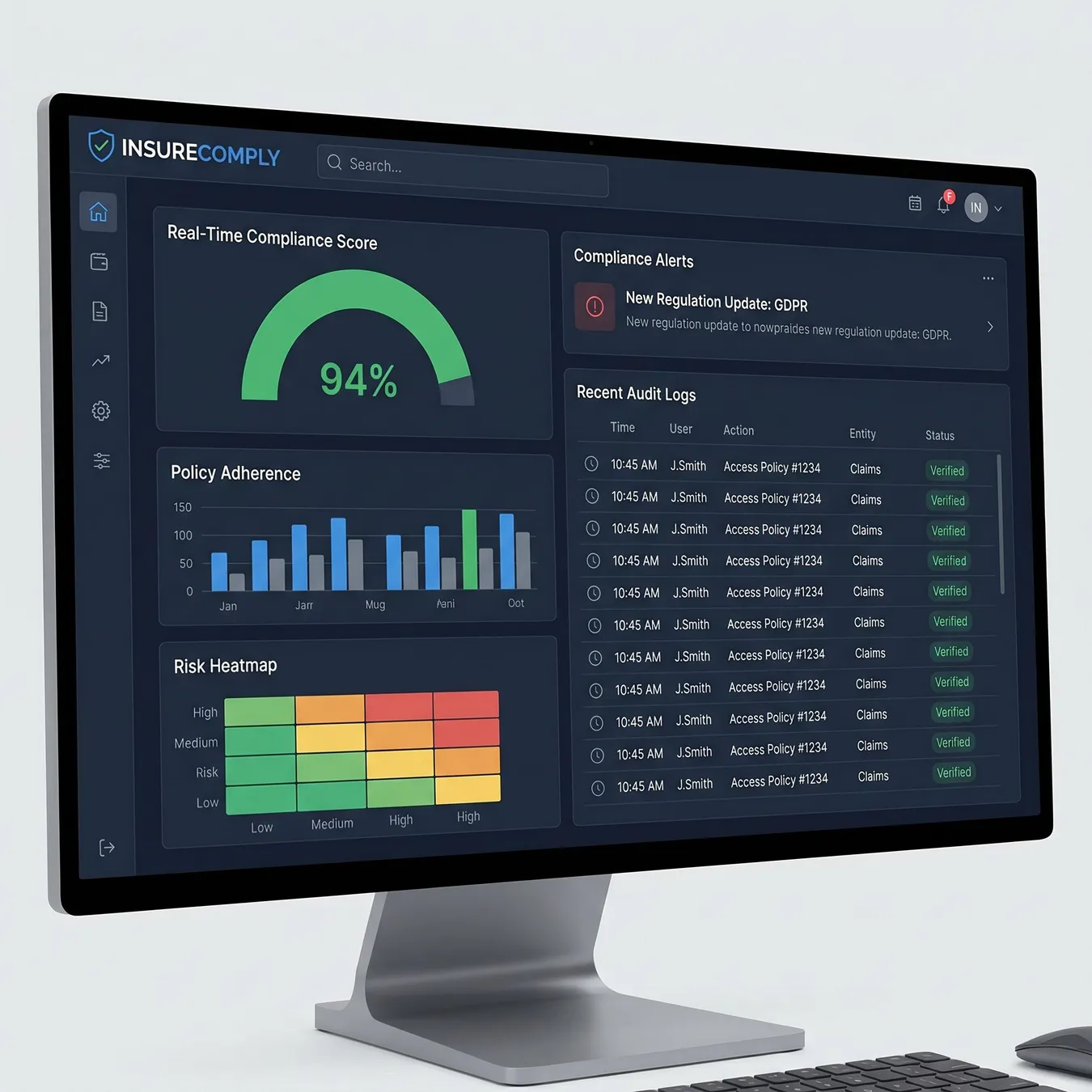
Compliance dashboards provide immediate visibility into regulatory health.
Phases of a Successful Transformation
01 / 04
phase 01 / 04
Audit & Discovery
phase 02 / 04
Data Modernization
phase 03 / 04
Automation Integration
phase 04 / 04
Continuous Monitoring
Data Migration Strategies for Insurance
One of the most daunting parts of modernization is the data migration from legacy system. Ensuring data integrity while moving decades of policy history requires a rigorous, multi-stage validation process.
Validate data at every migration stage
Run legacy and modern systems in parallel initially
Prioritize high-value automation use cases
Attempt a 'big bang' migration over a weekend
Ignore the quality of historical data
Hard-code compliance rules into the core engine
Modernizing Claims and Underwriting
By replacing manual data entry with intelligent automation, insurers can reduce claims processing time from weeks to hours. This directly impacts customer satisfaction and retention.
| Process | Legacy Method | Modernized Method |
|---|---|---|
| Claims | Manual review | AI-assisted triage |
| Underwriting | Static tables | Dynamic risk modeling |
| Compliance | Annual audits | Real-time monitoring |
Cross-Industry Insights: Banking vs. Insurance
Insurance leaders can learn much from the adoption of intelligent automation in banking. Both sectors face similar hurdles regarding data privacy and high-stakes regulatory environments.
Building a Foundation for Workflow Automation
To achieve scale, insurance firms must invest in durable workflow automation software. This provides the connective tissue between disparate legacy databases and modern customer portals.

Strategic planning is the first step toward a successful system overhaul.
Security and Reliability in Modern Platforms
Modernization isn't just about speed; it's about hardening the system. Production-grade platforms include built-in redundancy and advanced encryption that legacy mainframes often lack.
Frequently Asked Questions
The Cost of Inaction
Every year spent on legacy infrastructure is a year of mounting technical debt. Competitors using modern stacks can launch new products faster and at a lower operational cost.
Partnering for Execution
When internal teams are stretched thin, leveraging professional legacy software modernization services can accelerate the transition while ensuring the new system is built for long-term scale.
How Studio 402 Transforms Insurance Systems
At Studio 402, we don't just build prototypes. We engineer production-ready insurance platforms that solve for compliance, scale, and operational efficiency from day one.
Full system audit and debt assessment
Custom compliance engine development
Cloud-native architecture design
AI-driven process automation
Case Study: Reducing Claims Latency
We recently helped a mid-market insurer replace their manual claims intake with an intelligent system, reducing their average processing time by over 60% while improving audit accuracy.
The transition from our legacy mainframe to a modern cloud platform was the single most impactful project for our operations in a decade.
Director of Operations · Regional Insurance Provider
Ready to Modernize Your Infrastructure?
Whether you are battling technical debt or looking to integrate advanced AI features, the path to a modern insurance platform starts with a clear engineering roadmap.
Start Your Transformation
Let's discuss how to modernize your legacy systems with intelligent automation and production-grade software.
Explore Related Modernization Topics
Keep reading
More in Specialized Industry Software
Technical Debt Management
Managing technical debt is a continuous process. By identifying high-friction areas in your legacy code, you can prioritize refactoring efforts that yield the highest operational leverage.
API-First Insurance Architecture
Transitioning to an API-first approach allows your insurance platform to communicate seamlessly with third-party data providers, payment gateways, and customer-facing mobile apps.
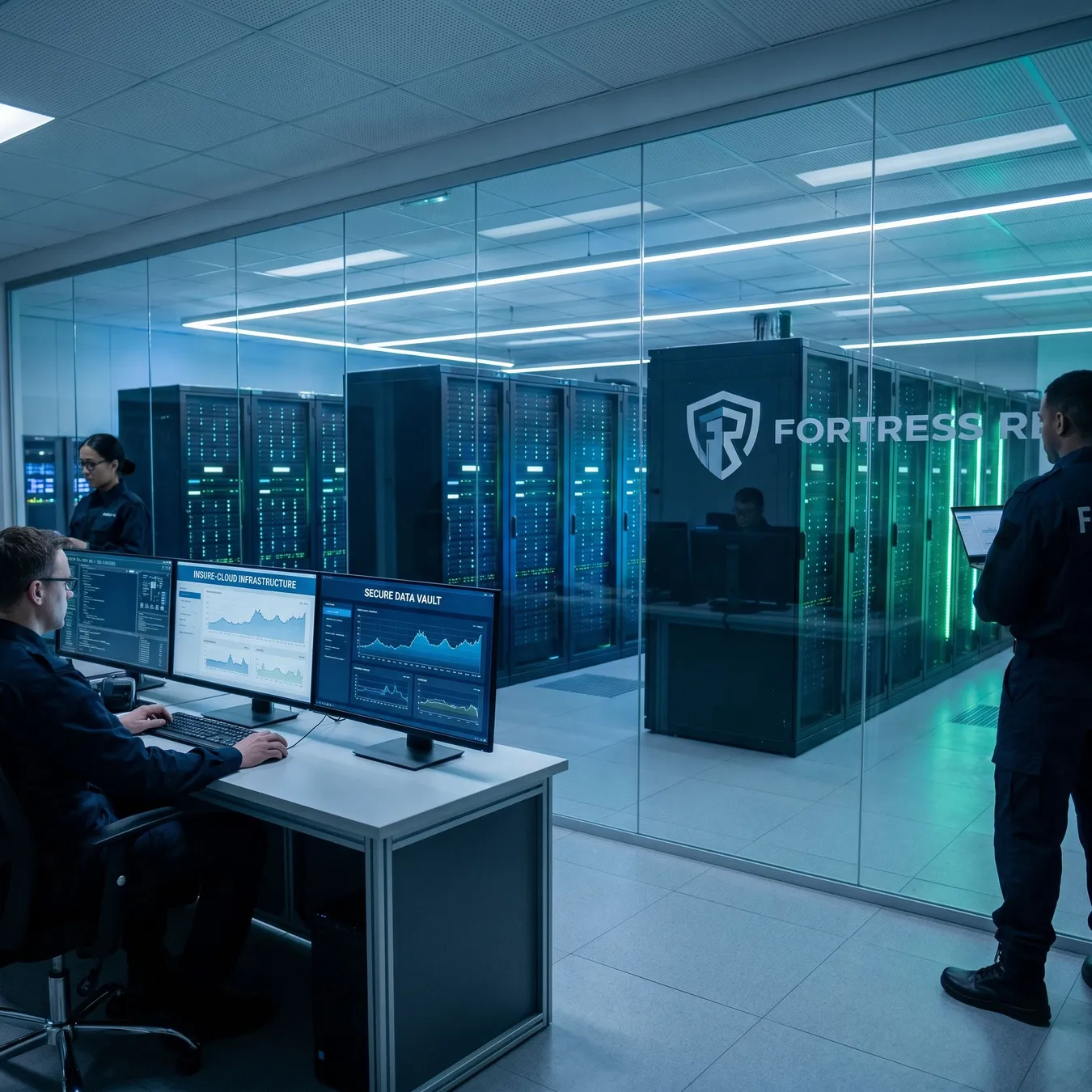
Modern cloud infrastructure provides the security legacy systems lack.
The Future of AI in Insurance
Beyond basic automation, the next frontier involves generative AI for policy drafting and predictive analytics for catastrophic risk modeling.
Regulatory Compliance as a Feature
In a modern system, compliance isn't an afterthought. It is a core feature that is built into every workflow, ensuring that your business is always audit-ready.
Scalability and Performance
Production-grade software is designed to handle spikes in traffic, such as during open enrollment periods or following major weather events, without performance degradation.
User Experience for Agents
Modernizing the back-office also means providing better tools for your agents. A clean, intuitive interface reduces training time and errors in policy administration.
Legacy Integration Patterns
Using patterns like the Strangler Fig, we can gradually replace legacy functionality with new microservices, ensuring zero downtime during the transformation process.

Expert engineering is required to bridge the gap between old and new.
Continuous Delivery in Insurance
Modern systems allow for continuous delivery, meaning new features and compliance updates can be deployed weekly rather than quarterly.