
Industrial and Supply Chain Software Development
Modern industrial operations require more than just spreadsheets and legacy ERPs. To maintain a competitive edge, custom industrial software development is essential for managing complex production cycles and global logistics networks that demand real-time visibility and precision.

Real-time visibility is the foundation of modern industrial operational excellence.
The Role of Custom Supply Chain Software Development
Standard off-the-shelf solutions often fail to account for the unique constraints of specialized manufacturing or niche logistics. Through custom supply chain software development, businesses can build systems that mirror their exact physical workflows, rather than forcing operations to fit into a rigid software template.
- End-to-end inventory tracking across multiple warehouses
- Automated procurement and vendor management portals
- Predictive maintenance scheduling for industrial equipment
- Real-time fleet management and route optimization
- Integrated quality control and compliance reporting
Core Components of Industrial Software Systems
Building software for the industrial sector requires a deep understanding of how digital logic interacts with physical assets. These systems must be durable, secure, and capable of processing high volumes of data from IoT sensors and manual inputs alike.
Production Planning and Scheduling
Effective production management ensures that resources are allocated efficiently to minimize downtime. Custom systems can integrate directly with shop floor hardware to provide a live view of throughput and bottlenecks.
25%
Average reduction in operational downtime
40%
Improvement in inventory turnover rates
100%
Data auditability for compliance
Logistics and Distribution Management
Logistics software must handle the complexity of global shipping, including customs documentation, carrier integration, and last-mile delivery tracking. Many teams use software to automate business processes to reduce manual data entry errors in these high-stakes workflows.
Challenges in Scaling Industrial Software
Scaling an industrial system isn't just about adding more users; it's about handling increased data velocity and maintaining system uptime in 24/7 environments. Technical debt in early-stage prototypes often becomes a critical failure point as operations grow.
Prioritize data integrity and validation at the source
Build modular architectures for easier updates
Implement robust offline capabilities for remote sites
Ensure mobile responsiveness for floor workers
Rely on manual syncs between disconnected tools
Hardcode business logic that changes seasonally
Ignore security protocols for IoT integrations
Overcomplicate the UI for high-pressure environments
Modernizing Legacy Industrial Infrastructure
Many industrial firms are held back by monolithic legacy systems that are difficult to integrate with modern AI or cloud tools. Modernization involves creating a bridge between these old records and new, agile applications.
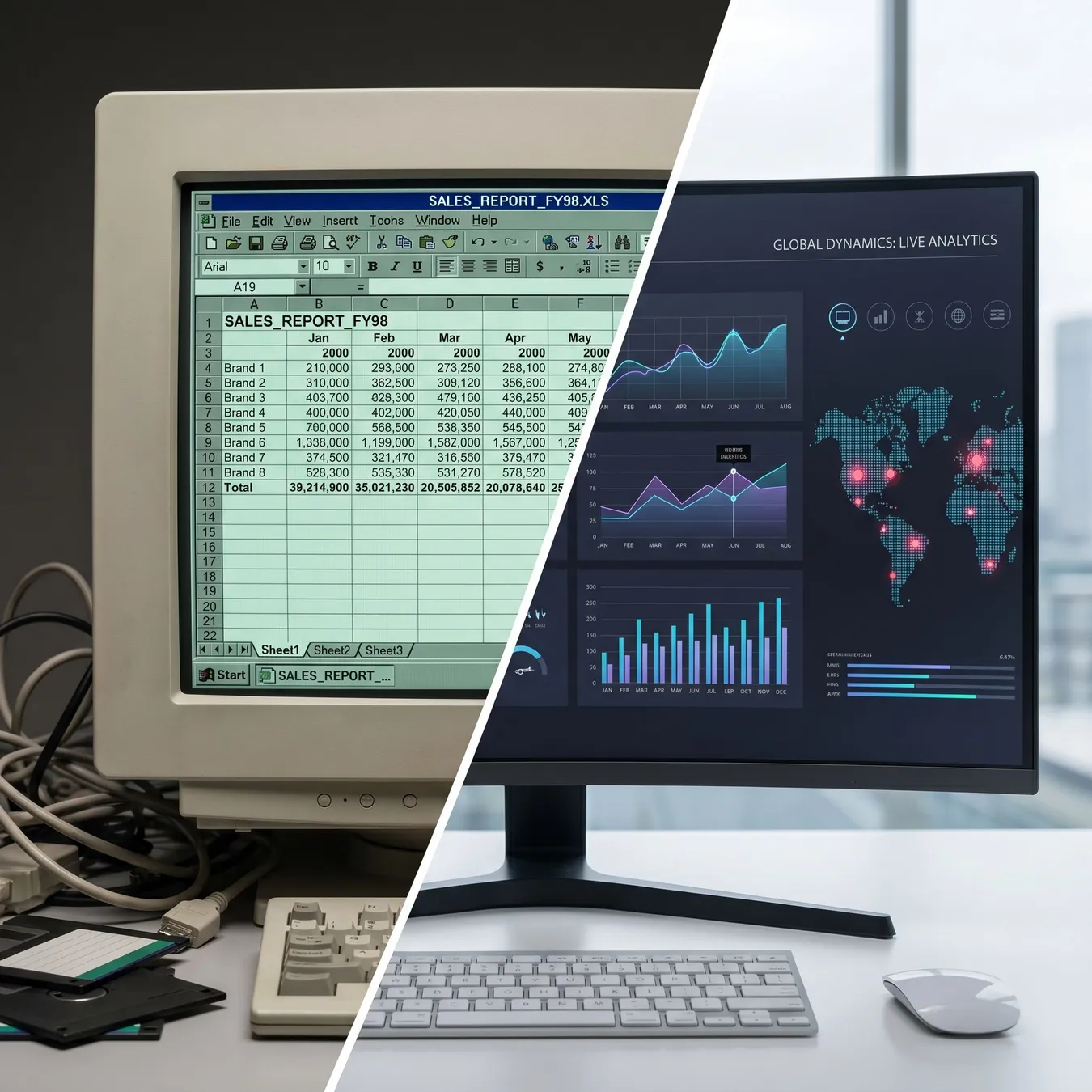
Transitioning from legacy manual processes to modern digital dashboards.
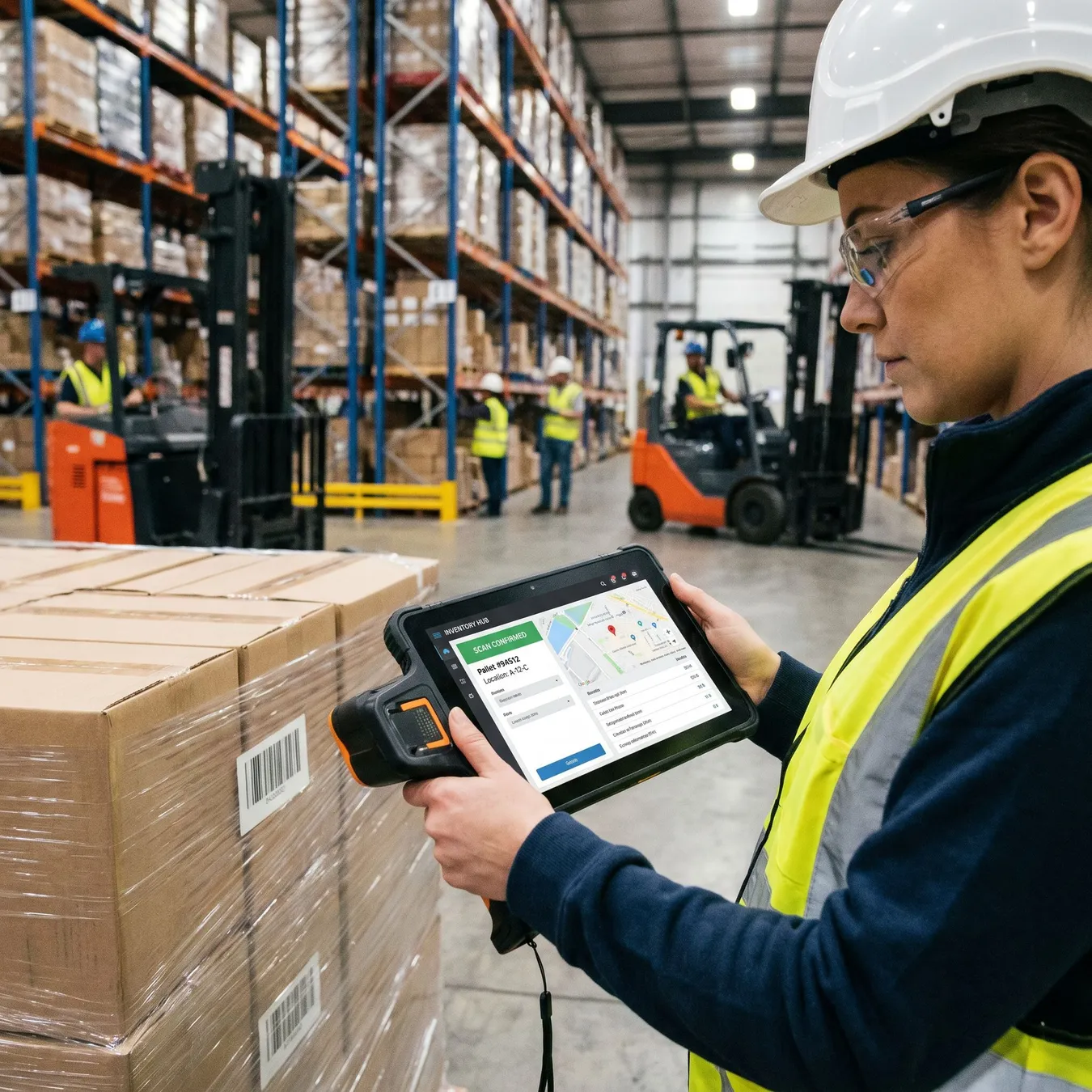
Empowering the workforce with production-ready mobile tools.
Engineering for Industrial Scale
When building custom enterprise software for the industrial sector, the focus must be on durability. These systems are the backbone of the business and cannot afford the 'vibe-code' instability common in rapid, unvetted development cycles.
Info.
// Production-Ready Engineering
How Studio 402 Builds Industrial Systems
At Studio 402, we don't just build apps; we engineer operational infrastructure. We specialize in taking complex, fragmented industrial workflows and turning them into cohesive, scalable software platforms that grow with your business.
01 / 04
phase 01 / 04
Operational Discovery
phase 02 / 04
Architecture Design
phase 03 / 04
Iterative Development
phase 04 / 04
Integration & Launch
Why Choose a Specialized Engineering Partner?
Generic agencies often lack the technical depth required for industrial-grade security and reliability. Studio 402 brings a senior, operator-minded approach to every build, ensuring your software is an asset, not a liability.
Trade-off
4 pros · 3 cons
Pros
Bespoke logic for unique workflows
Seamless integration with existing hardware
Full ownership of the codebase
Scalable architecture for future growth
Cons
Higher initial investment than SaaS
Requires clear operational requirements
Longer development time than templates
Frequently Asked Questions
Explore Specialized Solutions
Ready to Scale Your Industrial Operations?
Stop fighting fragmented tools and start building durable systems. Let's discuss your custom industrial software needs.
Keep reading