
Modernizing Legacy Mainframes with MuleSoft API Integration
Legacy mainframes remain the backbone of global finance, logistics, and insurance, yet their monolithic nature often creates a bottleneck for digital innovation. Modernizing these systems doesn't require a risky 'rip and replace' approach; instead, MuleSoft provides a strategic integration layer to wrap core functions in modern APIs.
70%
Enterprise data residing on mainframes
3x
Faster time-to-market with API-led connectivity
40%
Reduction in maintenance overhead
The Challenges of Mainframe Modernization
Mainframes are reliable but rigid. Accessing their data often requires specialized knowledge of COBOL or PL/I, creating silos that prevent modern web and mobile applications from leveraging critical business logic. This technical debt slows down every new feature request.
- High cost of specialized mainframe talent
- Lack of agility for real-time data processing
- Complex integration with modern cloud services
- Security risks from brittle point-to-point connections
How MuleSoft Bridges the Legacy Gap
MuleSoft’s Anypoint Platform acts as a translation layer. By using the Anypoint Connector for IBM i or z/OS, organizations can expose mainframe assets as RESTful APIs without modifying the underlying legacy code. This is a critical component of legacy data modernization strategies.
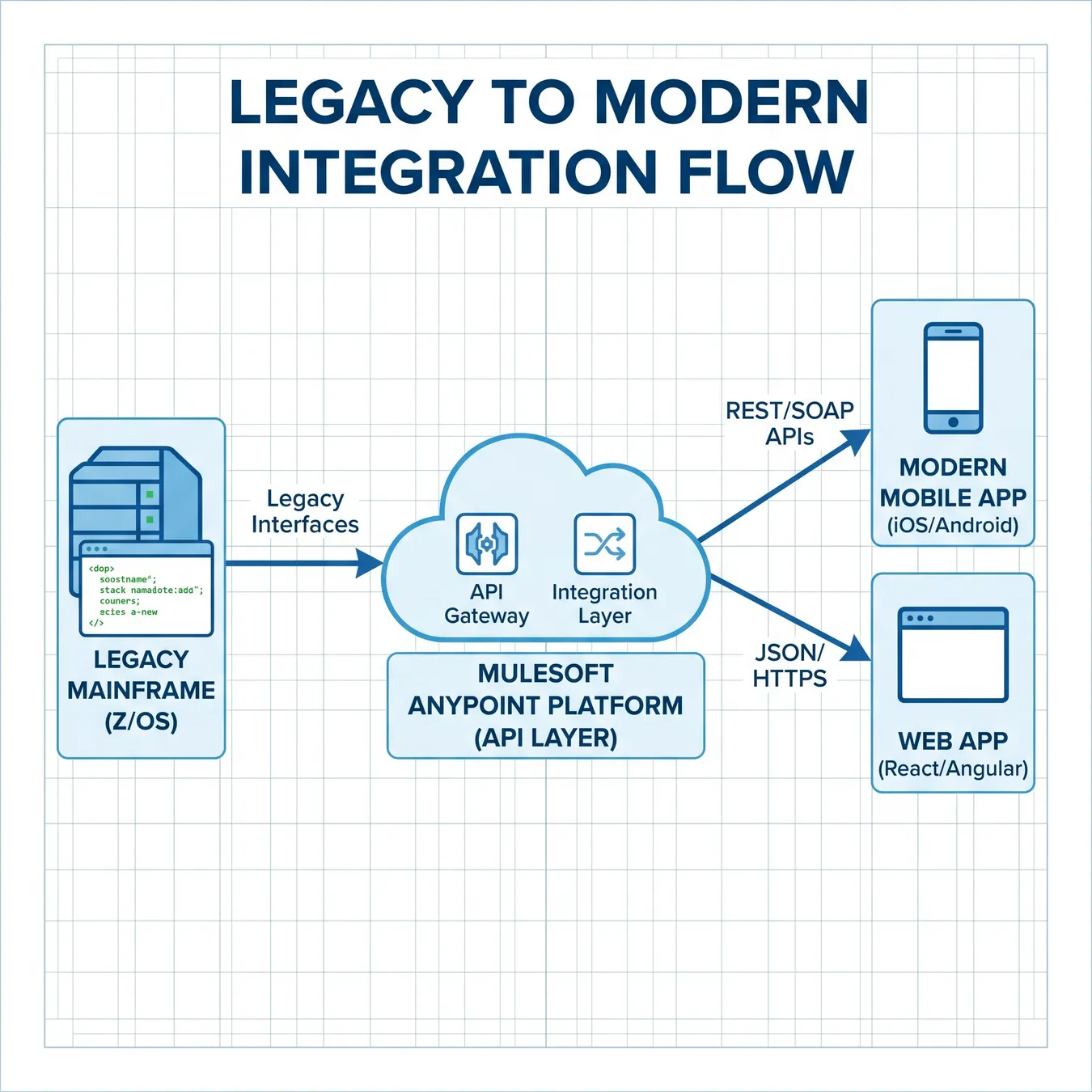
The API-led connectivity architecture for mainframe integration.
The 3-Tier API-Led Connectivity Model
MuleSoft organizes integration into three distinct layers to ensure scalability and reuse. This structure prevents the creation of new 'spaghetti code' while modernizing the old.
- 01
System APIs: Directly interface with the mainframe (e.g., CICS or IMS).
- 02
Process APIs: Combine data from multiple systems into business logic.
- 03
Experience APIs: Format data specifically for the end-user device or app.
Comparing Modernization Approaches
Trade-off
4 pros · 3 cons
Pros
Lower risk than full replacement
Immediate value through API access
Preserves reliable core logic
Enables cloud-native development
Cons
Requires initial API design phase
Mainframe still incurs licensing costs
Latency must be managed carefully
Mainframe Integration in the Insurance Sector
In highly regulated industries, insurance legacy system transformation often starts with policy and claims data locked in mainframes. MuleSoft allows these firms to launch modern customer portals in weeks by simply 'wrapping' the existing mainframe services.
Key Steps to Implement MuleSoft Integration
01 / 04
phase 01 / 04
Discovery
phase 02 / 04
API Design
phase 03 / 04
Connector Setup
phase 04 / 04
Orchestration
Best Practices for Legacy Connectivity
Use standard RAML/OAS for API definitions
Implement robust caching layers
Monitor mainframe MIPS consumption
Secure APIs with OAuth 2.0
Expose raw mainframe schemas directly
Hardcode connection strings in Mule flows
Ignore error handling for legacy timeouts
Unlocking Operational Efficiency
Once your mainframe functions are accessible via APIs, you can begin enterprise application modernization across the entire organization. This connectivity is the foundation for broader business workflow automation, allowing data to flow seamlessly between legacy cores and modern SaaS tools.
Security and Governance in API Layers
Info.
// Security First
Performance Optimization Strategies
Mainframe processing time is expensive. To optimize performance, developers should implement aggressive caching at the System API level and use asynchronous processing for non-critical data updates.
Common Mainframe Integration Patterns
| Pattern | Use Case | Benefit |
|---|---|---|
| Request-Response | Real-time data lookup | Immediate consistency |
| Batch Sync | High-volume data migration | Efficient resource use |
| Event-Driven | Status updates/alerts | Decoupled architecture |
Transitioning to a Hybrid Cloud Model
Modernizing with MuleSoft is often the first step toward a full cloud migration. By abstracting the mainframe, you can eventually swap out the legacy backend for a cloud-native database without breaking the frontend applications that rely on your APIs.
Modernization Readiness Checklist
Inventory of critical mainframe transactions
Network connectivity between MuleSoft and Mainframe
Defined API governance and security policies
Developer training on Anypoint Platform
Expert Insights on Legacy Rescue
The goal isn't just to move data; it's to unlock the business value trapped in decades of legacy code. MuleSoft makes that value accessible to the modern web.
Studio 402 Engineering Team · Integration Specialists
Frequently Asked Questions
The Role of Studio 402 in Your Modernization
At Studio 402, we specialize in rescuing legacy systems from obsolescence. Whether you have a mainframe that feels like a black box or a 'vibe-coded' prototype that needs a stable backend, we build the integration layers that turn technical debt into a competitive advantage.
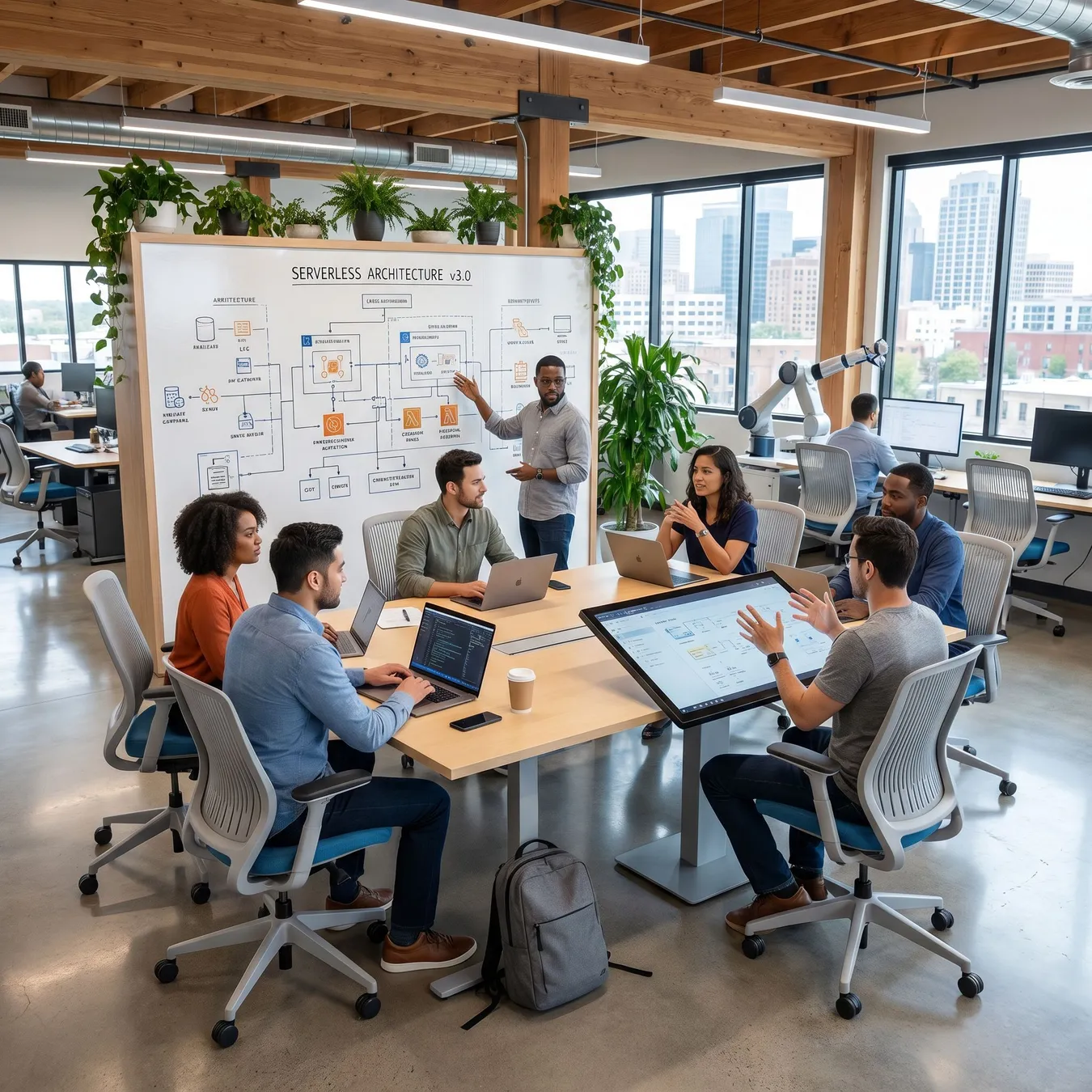
Our team designs durable systems for real-world scale.
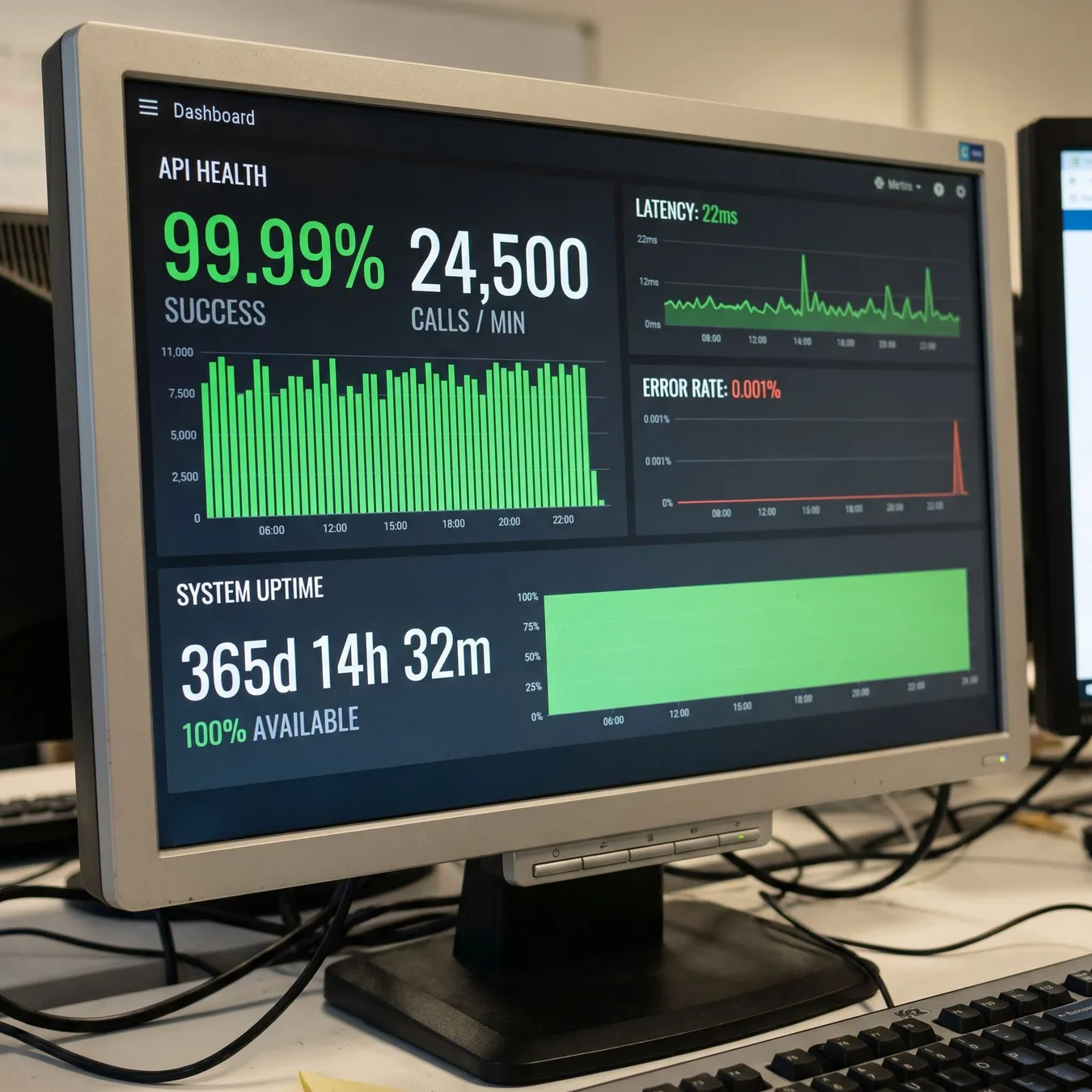
We focus on observable, high-performance outcomes.
Why Choose a Strategic Build Partner?
Mainframe modernization is complex. It requires a partner who understands both the low-level constraints of legacy hardware and the high-level requirements of modern SaaS and AI-native systems. We bridge that gap with production-first engineering.
Trusted by growth-stage companies to harden and scale critical infrastructure.
From MVP rescue to enterprise integration.
Next Steps for Your Integration Project
Ready to stop fighting your legacy systems and start leveraging them? A phased API-led approach is the safest and most effective way to modernize without disruption.
Modernize Your Legacy Core
Let’s discuss how to wrap your mainframe in a modern API layer that scales with your business.
Explore Modernization Strategies
- Enterprise
- MuleSoft
- Mainframe
- API-First
- Modernization
Studio 402 provides the engineering depth needed to handle complex migrations, ensuring your new API layers are secure, performant, and ready for the next decade of growth.
Our approach focuses on reducing operational drag by replacing manual workflows with automated, API-driven systems that connect your entire stack.
We don't just build software; we build foundations. From cloud infrastructure to AI integration, we ensure your technology supports your business goals.
Contact us today at studio@402.studio to schedule a technical discovery session for your legacy modernization project.
Whether you are a startup founder or an enterprise product leader, we have the expertise to ship production-ready outcomes.
Modernizing a mainframe is a journey. Let Studio 402 be your guide to a faster, more reliable digital future.
Finalizing your strategy requires a clear roadmap. We help you define the milestones that lead to a successful system transition.
Don't let legacy code hold back your innovation. Unlock the power of your data with MuleSoft and Studio 402.