
A Strategic Framework for Mainframe Modernization
Mainframe modernization is no longer just a technical upgrade; it is a critical business imperative for enterprises facing rising maintenance costs and a shrinking talent pool. This framework provides a structured approach to transition from legacy COBOL-based systems to agile, cloud-native architectures.
70%
Enterprise data still on mainframes
40%
Average cost reduction post-migration
5x
Increase in deployment frequency
The Core Pillars of Modernization Strategy
A successful strategy balances risk, speed, and cost. Leaders must decide whether to retain, retire, rehost, or refactor specific components of their environment. This requires a deep audit of existing business logic and dependencies.
- Assessment of technical debt and hardware lifecycle
- Identification of mission-critical vs. auxiliary workloads
- Evaluation of internal engineering skills and gaps
- Alignment with long-term digital transformation goals
Assessing the Risks of Inaction
Delaying the transition introduces significant operational vulnerabilities. From security gaps to the inability to integrate with modern AI tools, the cost of maintaining the status quo often exceeds the investment required for a complete overhaul.
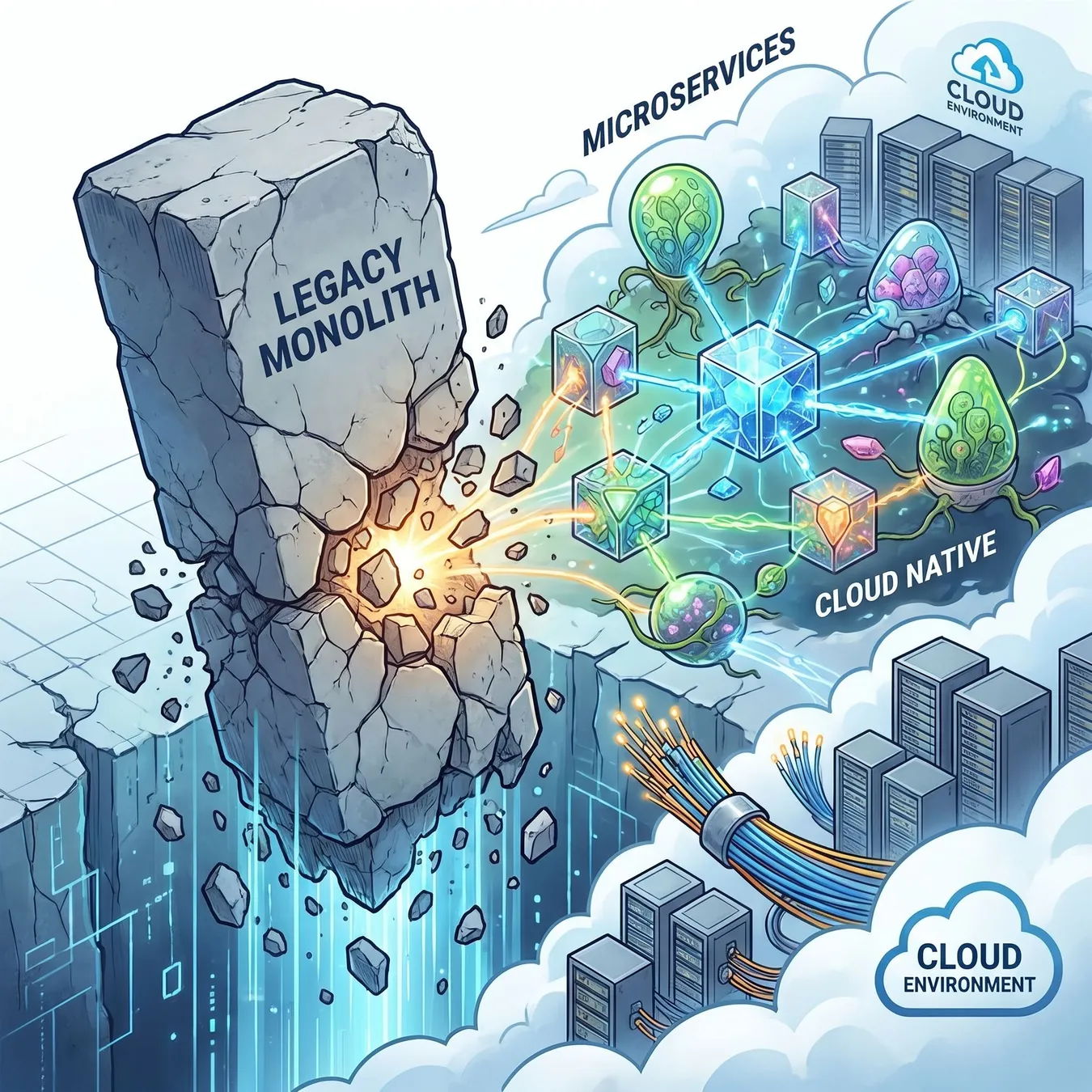
Visualizing the transition from monolithic legacy to distributed cloud architecture.
Step-by-Step Modernization Roadmap
01 / 04
phase 01 / 04
Discovery & Inventory
phase 02 / 04
Target Architecture Design
phase 03 / 04
Incremental Migration
phase 04 / 04
Optimization
Data Migration and Integrity
Moving data out of DB2 or IMS databases requires a robust legacy data modernization strategy to ensure zero data loss and maintain referential integrity during the cutover.
Info.
// Data Gravity
Comparing Modernization Patterns
| Pattern | Risk Level | Time to Value | Cost |
|---|---|---|---|
| Rehosting (Lift & Shift) | Low | Fast | Moderate |
| Replatforming | Medium | Medium | Moderate |
| Refactoring | High | Slow | High |
Common Modernization Pitfalls
Prioritize low-risk workloads for the first phase
Automate testing and validation early
Invest in training for the existing workforce
Attempt a 'Big Bang' migration of all systems at once
Ignore the cultural impact on the IT department
Underestimate the complexity of legacy business logic
The Role of Microservices
Breaking down the mainframe monolith into microservices allows for independent scaling and faster release cycles. This is a foundational step in enterprise application modernization efforts.
API-First Integration
Before moving the logic, wrap legacy functions in modern APIs. This enables newer web and mobile apps to communicate with the mainframe during the transition period.
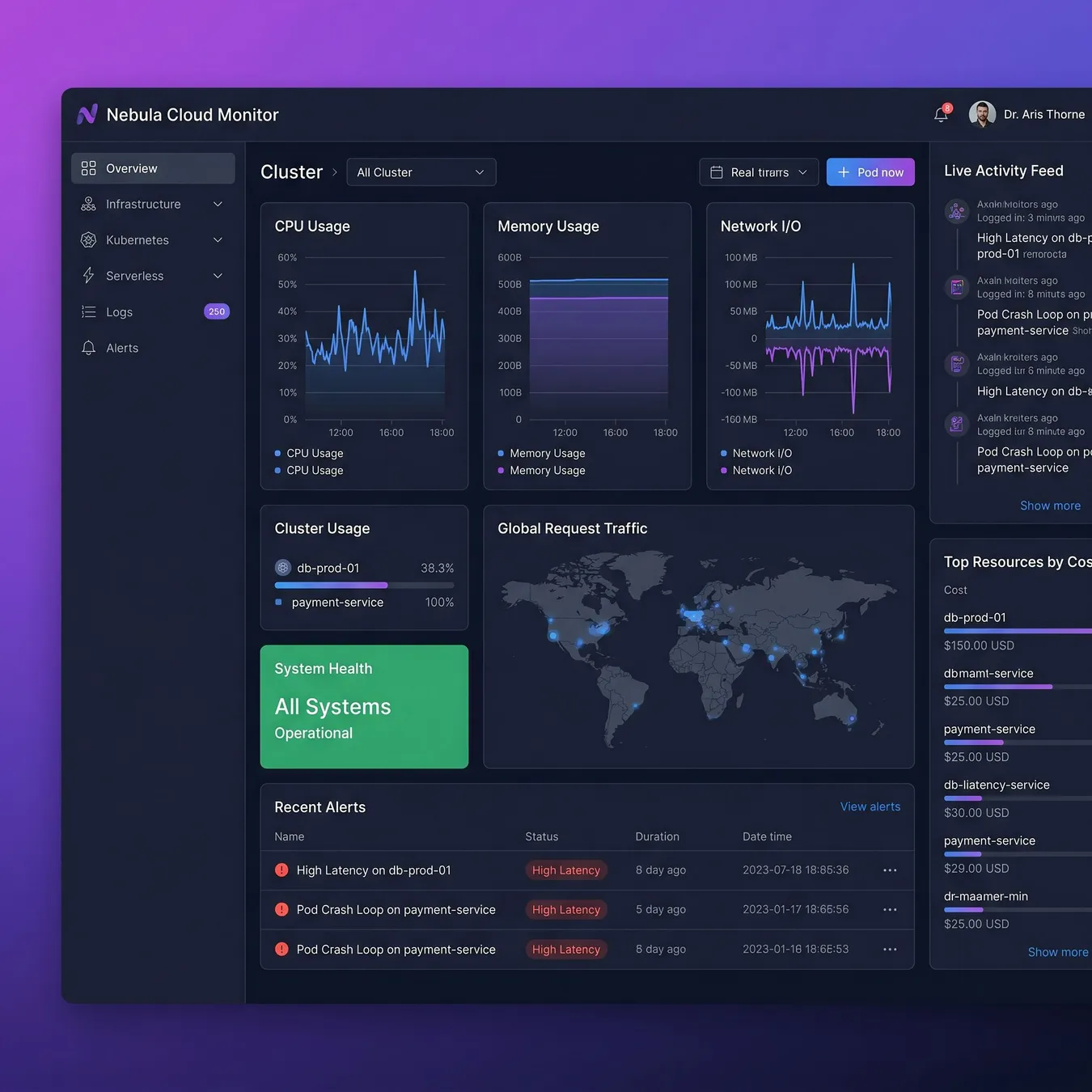
Monitoring performance during the migration phase.

Automated tools help speed up COBOL to Java conversion.
Security and Compliance Considerations
Mainframes are known for their security. Moving to the cloud requires a Zero Trust architecture to maintain the same level of protection for sensitive financial or personal data.
Implement end-to-end encryption for data in transit
Audit IAM roles and permissions in the new cloud environment
Ensure compliance with industry-specific regulations (GDPR, HIPAA)
Modernization FAQs
Bridging to Execution
Strategy is only as good as its execution. Once the framework is in place, organizations often seek legacy software modernization services to provide the technical depth and engineering rigor needed to ship the new system.
Why Studio 402 for Modernization?
At Studio 402, we don't just build prototypes; we rescue and harden systems that need to scale. We specialize in turning brittle legacy codebases into durable, cloud-native platforms.
The goal isn't just to get off the mainframe; it's to build a foundation that allows the business to innovate at the speed of the market.
Studio 402 Engineering Team
Our Approach to System Rescue
Whether you are dealing with a failed migration or a legacy system that has become a bottleneck, our team provides the architecture review and hands-on engineering to stabilize and modernize your stack.
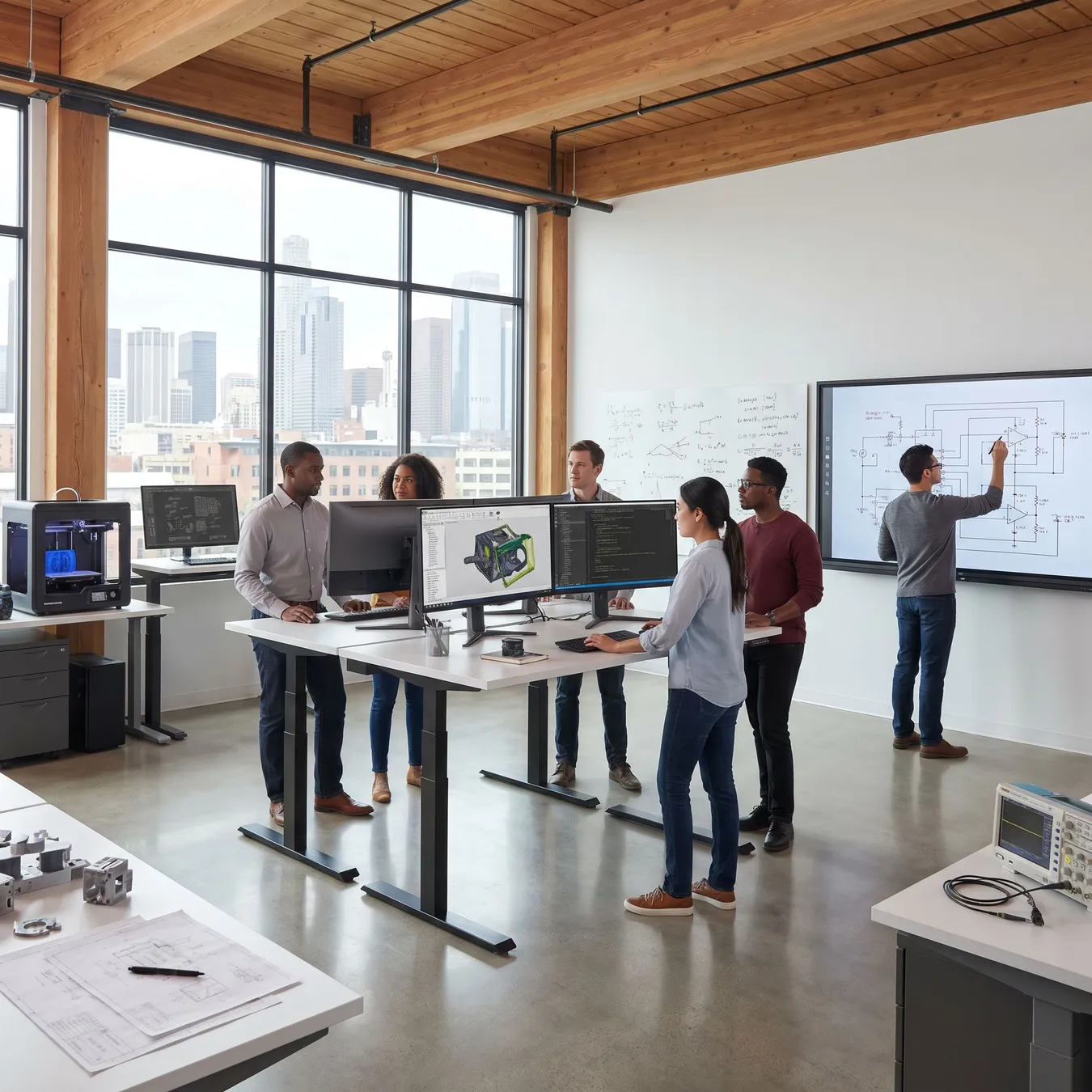
Studio 402 partners with leadership to solve complex technical challenges.
Selecting the Right Partner
Modernization requires a partner who understands both the old world of COBOL and JCL and the new world of Kubernetes and AI-native systems. We bridge that gap with production-first engineering.
Trusted by growth-stage companies and enterprise operators to build and scale mission-critical software.
From MVP rescue to full-scale cloud migrations.
Next Steps for Your Framework
Ready to move from planning to production? A technical audit is the best way to identify the high-leverage opportunities in your legacy environment.
Start Your Modernization Journey
Let's discuss your legacy systems and build a roadmap for a scalable, cloud-native future.
Deep Dive Resources
Final Thoughts on Strategy
Mainframe modernization is a marathon, not a sprint. By following a structured framework and focusing on incremental value, enterprises can reduce risk and unlock the agility needed for the modern era.
Continuous Improvement
Even after the migration is complete, the work continues. Modern architectures require a culture of DevOps and continuous delivery to maintain their performance and cost advantages.
- Enterprise
- Cloud-Native
- Legacy Rescue
- Strategy
Technical Consulting & Advisory
If you need an architecture review or fractional CTO guidance to validate your modernization roadmap, Studio 402 offers the senior technical leadership required for these high-stakes decisions.
Studio 402 took our fragile legacy prototype and turned it into a production-ready system that finally allowed us to scale without fear of downtime.
Operational Excellence
Beyond the code, we help you build the operational scaffolding—CI/CD, monitoring, and automated runbooks—that ensures your new system is as reliable as the mainframe it replaced.

The future of enterprise computing is distributed and resilient.
Legacy Modernization Hub
Explore our full range of services and insights on how to navigate the complexities of software rescue and system modernization.