
Mainframe to Oracle Migration: Modernizing Legacy Data
Migrating from a legacy mainframe environment to Oracle is a high-stakes technical transition that requires meticulous planning. Engineering leaders must balance data integrity with the need for improved system performance and scalability.
70%
Reduction in operational costs
5x
Faster query performance
99.99%
Data integrity target
Understanding the Mainframe to Oracle Landscape
Mainframe systems often rely on DB2 or flat-file structures that lack the flexibility of modern relational databases. Transitioning to Oracle allows teams to eliminate database performance bottlenecks and unlock modern data features.
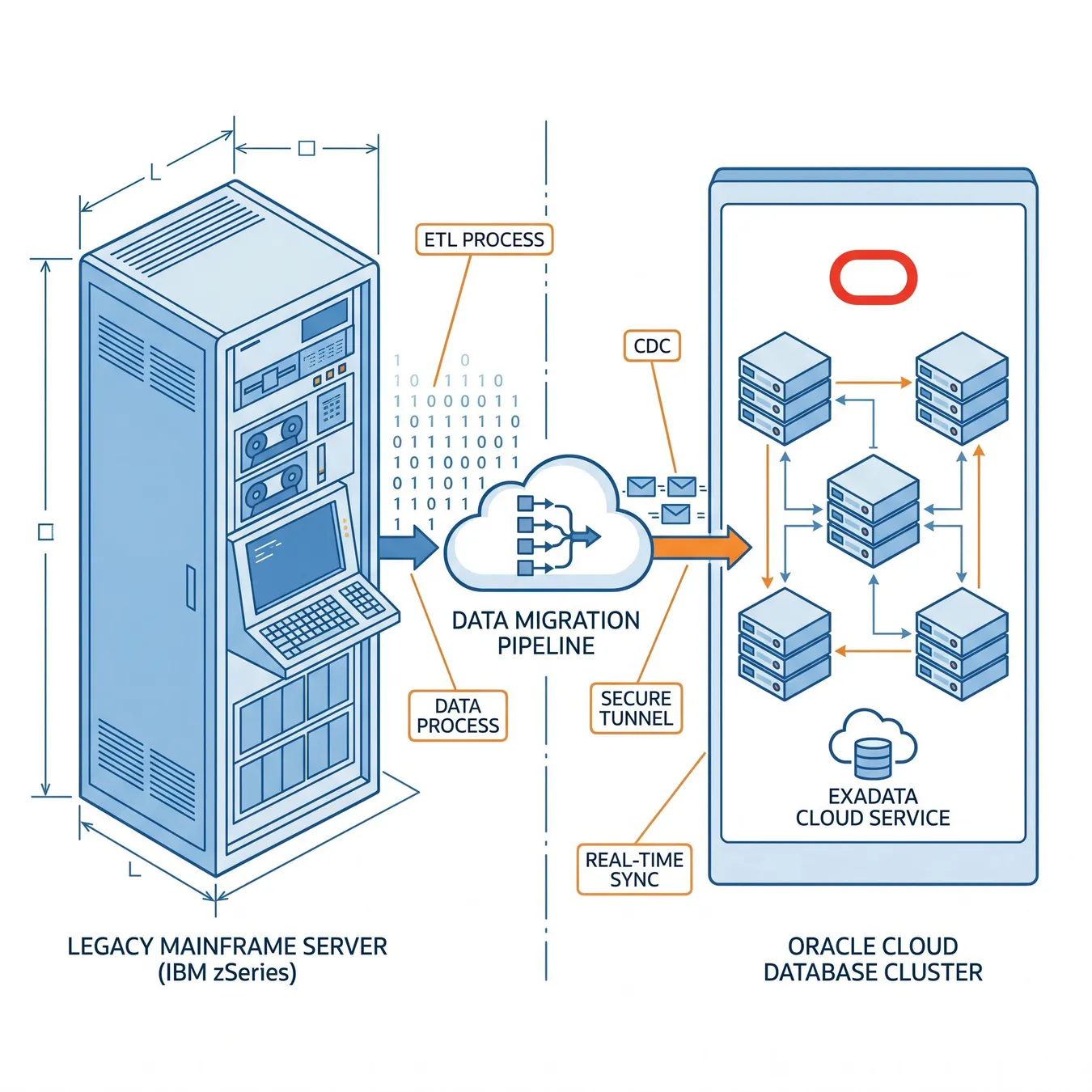
Visualizing the transition from legacy hardware to modern cloud-ready database architecture.
Key Challenges in Legacy Data Migration
- Complex EBCDIC to ASCII character encoding conversion.
- Mapping hierarchical or flat-file data to relational schemas.
- Maintaining referential integrity across legacy boundaries.
- Minimizing downtime for mission-critical business applications.
Warning.
// Data Integrity Risk
The Migration Lifecycle: A Step-by-Step Approach
01 / 04
phase 01 / 04
Discovery & Assessment
phase 02 / 04
Schema Mapping
phase 03 / 04
ETL Development
phase 04 / 04
Validation & Testing
Phase 1: Data Profiling
Before moving a single byte, you must understand the quality of your source data. This involves identifying orphans, duplicates, and inconsistent formats that have accumulated over decades.
Phase 2: Schema Conversion
Oracle offers advanced features like partitioning and compression that mainframe DB2 may not utilize. This is the time to re-architect for the future.
Mainframe vs. Oracle: Technical Comparison
| Feature | Mainframe (Legacy) | Oracle (Modern) |
|---|---|---|
| Architecture | Monolithic / Centralized | Distributed / Cloud-Native |
| Scalability | Vertical (Expensive) | Horizontal / Elastic |
| Data Access | Batch-heavy / Proprietary | Real-time / SQL Standard |
Modernizing the Application Layer
Moving data is only half the battle. To truly modernize, you need a monolithic to microservices roadmap that addresses how your applications interact with the new database.
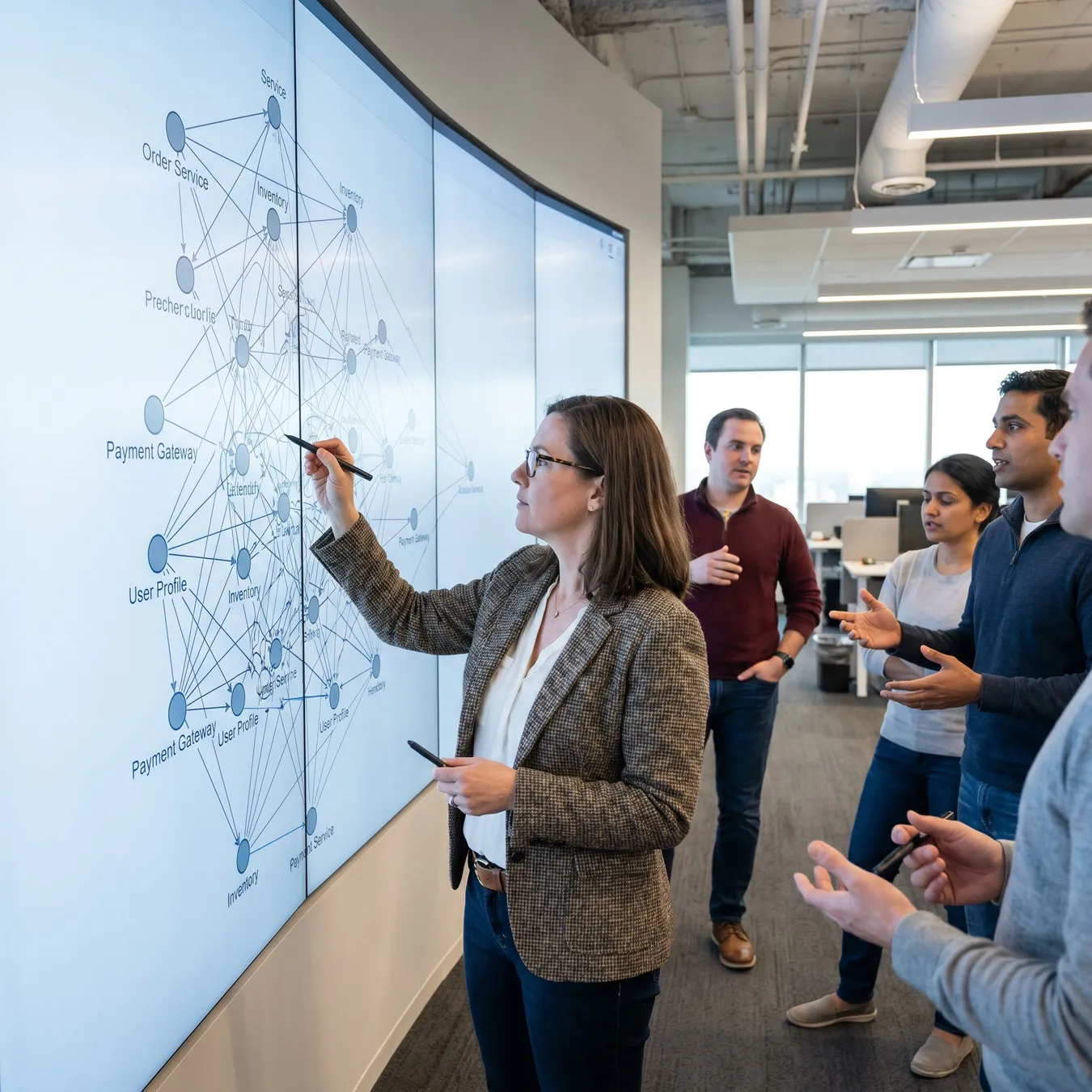
Modernizing the application logic alongside the database migration.
Best Practices for Data Integrity
Use automated checksums for every file transfer.
Implement a phased migration (canary deployments).
Maintain a dual-run period for validation.
Attempt a 'big bang' migration over a single weekend.
Ignore legacy stored procedure logic during mapping.
Skip the data cleansing phase.
The Role of Enterprise Modernization
Database migration is a cornerstone of enterprise application modernization. By moving to Oracle, you enable better integration with modern CRM, ERP, and AI systems.
Unlocking Operational Efficiency
Modern systems reduce the 'technical tax' paid on maintaining old hardware and specialized mainframe talent, allowing budget to shift toward innovation.
Technical Migration Tools & Utilities
- Oracle SQL Developer Migration Workbench
- Oracle GoldenGate for real-time replication
- Custom Python/Java ETL scripts for complex logic
- Mainframe FTP/SFTP utilities for secure transfer
Common Migration Pitfalls to Avoid
Performance Tuning in the New Environment
Post-migration, it is common to see different execution plans. Tuning Oracle's Optimizer and ensuring proper statistics collection is vital for maintaining speed.
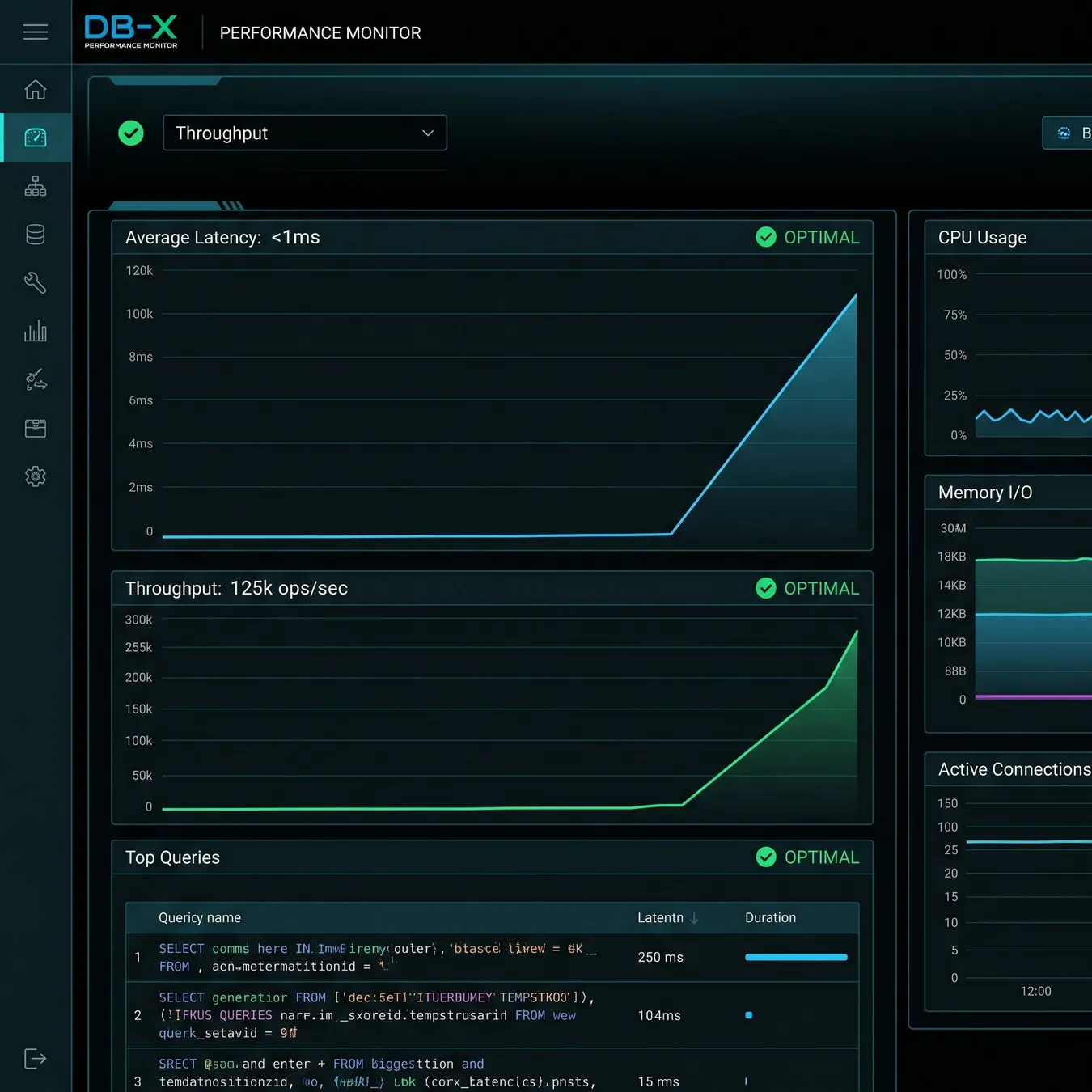
Monitoring Oracle performance metrics post-migration.
Security and Compliance Considerations
Mainframes are known for security, but Oracle provides modern equivalents like Transparent Data Encryption (TDE) and fine-grained auditing to meet today's standards.
Identity and Access Management
Transitioning from RACF to modern IAM solutions ensures that only authorized personnel can access sensitive legacy data in the new environment.
Planning Your Decommissioning Strategy
Once the migration is successful, the final step is the safe decommissioning of the mainframe hardware. This requires a clear archival strategy for historical data.
Verify all data has been successfully moved and validated.
Archive legacy logs for compliance purposes.
Shut down mainframe applications and redirect traffic.
Decommission physical hardware or cancel cloud mainframe instances.
How Studio 402 Accelerates Modernization
At Studio 402, we specialize in rescuing complex migrations and hardening legacy systems for the modern era. We don't just move data; we re-engineer your systems for scale.
Modernization isn't just about moving data; it's about unlocking the agility your business needs to compete in an AI-native world.
Studio 402 Engineering Team
Our Approach to Legacy Rescue
Whether you are stuck mid-migration or dealing with a fragile prototype, we provide the architectural depth and execution power to cross the finish line.
Studio 402 partners with your team to solve the hardest engineering challenges.
Next Steps for Your Migration
Ready to move beyond the mainframe? A successful Oracle migration starts with a conversation about your specific architecture and business goals.
Modernize Your Legacy Systems
Stop fighting legacy bottlenecks. Let's build a production-ready Oracle environment that scales with your business.