
Modernizing IBM Mainframe Environments for the Cloud Era
Modernizing IBM zSystems is no longer just about cost reduction; it is a strategic necessity for technical leaders who need to integrate mission-critical data with agile cloud services. The goal is to move beyond the limitations of legacy hardware while preserving the security and transactional integrity that mainframes provide.
- Legacy Modernization
- IBM zSystems
- Cloud Integration
- Enterprise Architecture
Understanding the Need for IBM Mainframe Transformation
Many organizations face significant risks of legacy systems when they delay modernization, including talent shortages and rising maintenance costs. Transitioning to a hybrid cloud model allows for better scalability without a high-risk 'rip and replace' approach.
70%
Enterprise data residing on mainframes
40%
Average cost reduction after cloud migration
3x
Faster release cycles with DevOps integration
Core Strategies for Mainframe Modernization
Modernization is not a single event but a spectrum of technical choices. Depending on your business goals, you may choose to rehost, replatform, or refactor your core applications.
- Rehosting (Lift and Shift): Moving mainframe workloads to cloud-based emulators with minimal code changes.
- Replatforming: Migrating components to modern operating systems like Linux on Z or x86.
- Refactoring: Rewriting legacy COBOL or PL/I into modern languages like Java or Go.
- API-Enablement: Wrapping legacy functions in RESTful APIs for cloud consumption.
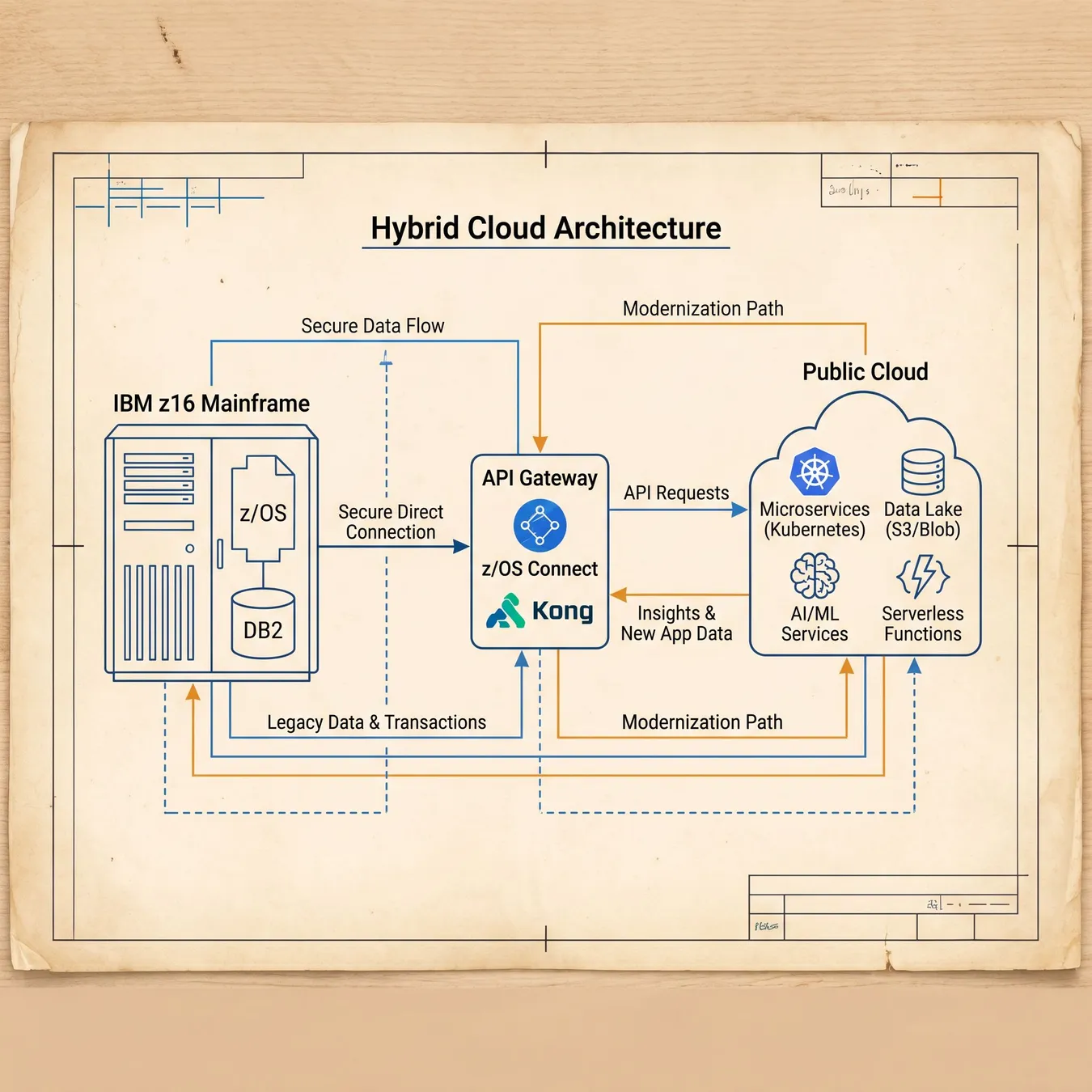
Hybrid cloud architecture bridging legacy zSystems with modern API layers.
The Shift from Monoliths to Microservices
A critical step in this journey is the transition from a monolithic application to microservices. This allows teams to decouple business logic from the underlying hardware, enabling independent scaling and faster deployment of new features.
Tip.
// Architectural Tip
Data Modernization and Integrity
Mainframe data is often trapped in hierarchical or flat-file structures. Implementing legacy data modernization strategies ensures that this information is accessible to modern analytics and AI tools without compromising production performance.
| Feature | Legacy Mainframe | Modernized Cloud Environment |
|---|---|---|
| Data Access | Batch/Proprietary | Real-time/API-driven |
| Scaling | Vertical/Hardware-bound | Horizontal/Elastic |
| DevOps | Waterfall/Manual | CI/CD/Automated |
Step-by-Step Modernization Roadmap
01 / 05
phase 01 / 05
Discovery & Audit
phase 02 / 05
Strategy Selection
phase 03 / 05
API Layer Implementation
phase 04 / 05
Incremental Migration
phase 05 / 05
Optimization
Common Pitfalls to Avoid
Prioritize workloads by business impact.
Automate testing for every refactored component.
Maintain a hybrid state during the transition.
Attempt a 'big bang' migration all at once.
Ignore the security protocols of the legacy system.
Underestimate the complexity of data mapping.
Modernization for Operational Efficiency
Integrating these updates into a broader enterprise application modernization plan ensures that your IT infrastructure supports long-term growth and agility. This alignment is vital for maintaining a competitive edge in the digital economy.
Technical Requirements for Cloud Integration
Successful cloud integration requires robust networking, identity management, and data synchronization tools. You must ensure that latency between the cloud and the on-premise mainframe does not impact user experience.
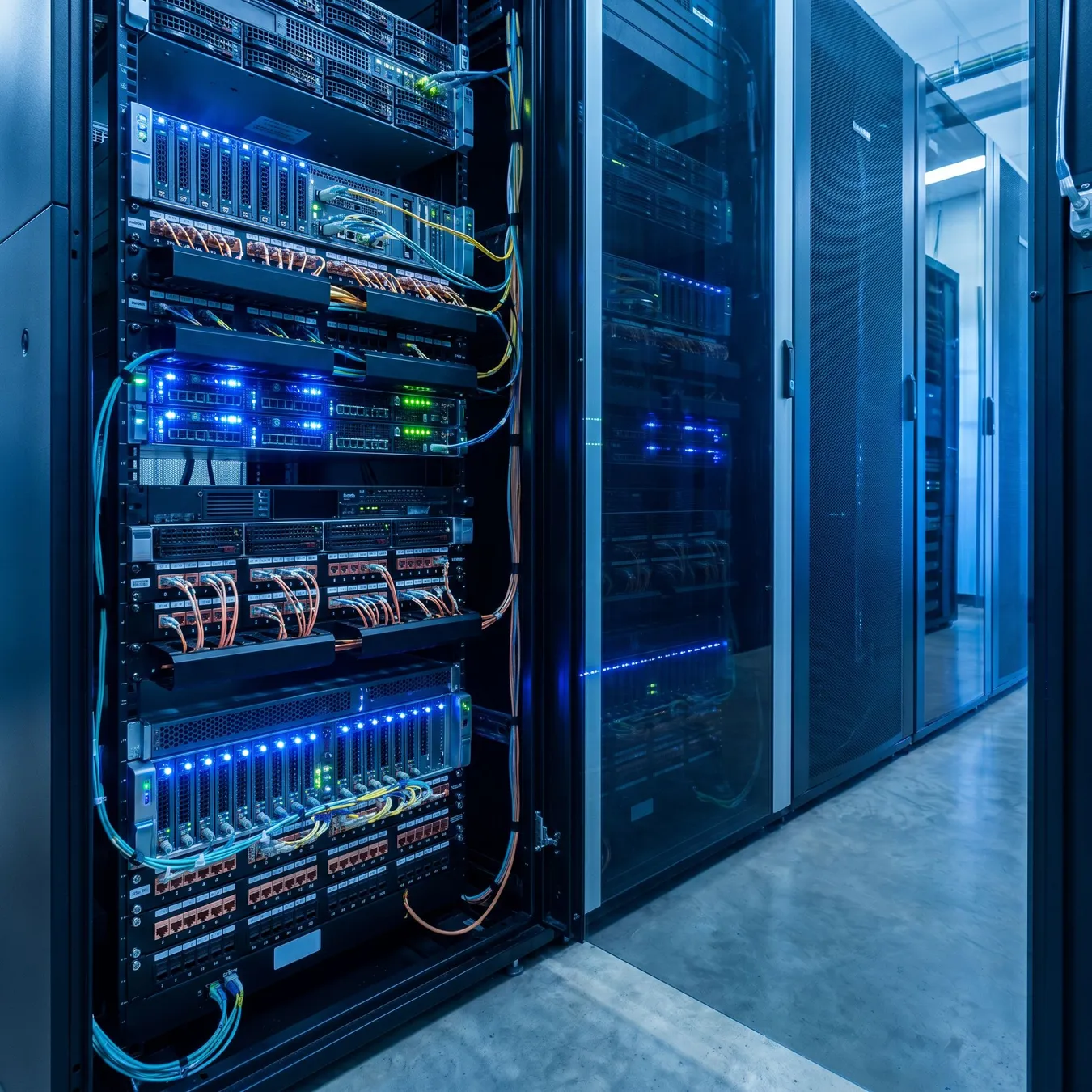
Modern cloud infrastructure providing the backbone for migration.
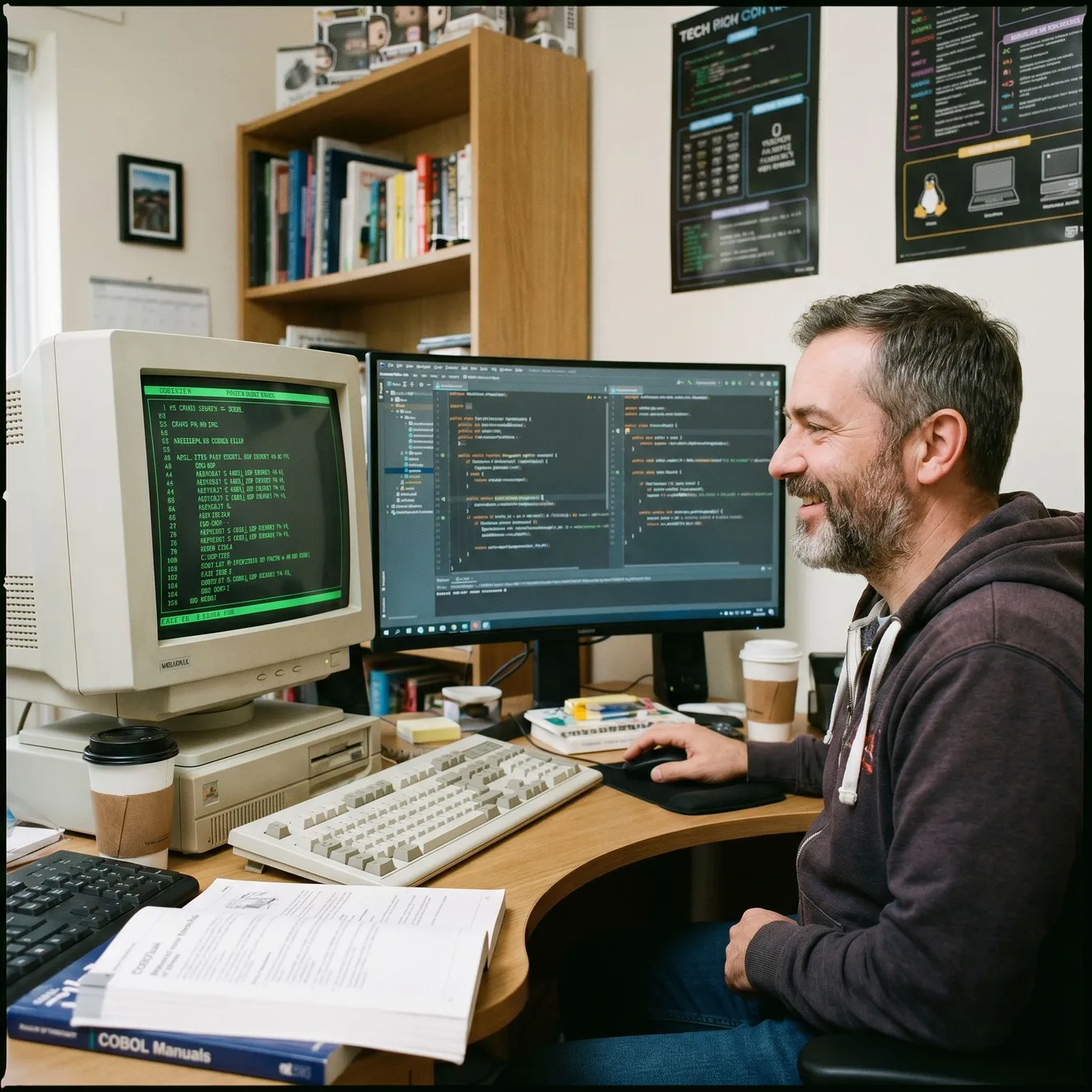
The transition from legacy codebases to modern development environments.
Security and Compliance in Transition
Mainframes are renowned for security. When moving to the cloud, you must replicate these rigorous standards using modern IAM, encryption, and zero-trust architectures.
Warning.
// Compliance Note
The Role of AI in Mainframe Modernization
AI tools can now assist in code translation and automated testing, significantly reducing the time required to refactor legacy COBOL into modern, maintainable code.
Measuring Success in Your Transformation
- 01
Reduction in MIPS (Millions of Instructions Per Second) costs.
- 02
Improvement in application response times.
- 03
Increase in the frequency of production deployments.
- 04
Lowering of the mean time to recovery (MTTR).
Frequently Asked Questions
Bridging to Production-Ready Solutions
Navigating the complexities of IBM zSystems requires more than just a migration tool; it requires a partner who understands both legacy architecture and modern cloud engineering. At Studio 402, we specialize in rescuing projects that have hit technical ceilings and transforming them into durable, scalable systems.
How Studio 402 Accelerates Modernization
Whether you are dealing with a monolithic application that won't scale or a cloud migration that has stalled, we provide the senior engineering leadership needed to ship production-ready outcomes. We don't just build prototypes; we build foundations that grow with your business.
Modernization is about unlocking the value trapped in your legacy systems, not just moving it to a different server.
Engineering Lead · Studio 402
Our Approach to Legacy Rescue
Comprehensive code and architecture audit
Security-minded production hardening
Automated CI/CD pipeline implementation
Cloud-native infrastructure design
Next Steps for Your Infrastructure
If you're ready to move beyond the constraints of your current IBM environment, it's time to develop a clear roadmap. Explore our additional guides to help frame your strategy.
Modernize Your Legacy Systems Today
Stop letting legacy debt block your growth. Let's build a scalable, cloud-integrated future for your enterprise applications.
Explore More Resources
Finalizing your modernization strategy requires a deep dive into specific technical domains. From data layers to microservices, ensure every part of your stack is ready for the cloud era.
Trusted by growth-stage companies to scale mission-critical software.
Studio 402 Engineering Excellence
The journey from IBM zSystems to a modern cloud architecture is complex, but with the right strategy and execution partner, it becomes a powerful driver for business innovation.
Ready to Ship?
Contact us at studio@402.studio to discuss your specific modernization needs and how we can help you achieve production-ready results.
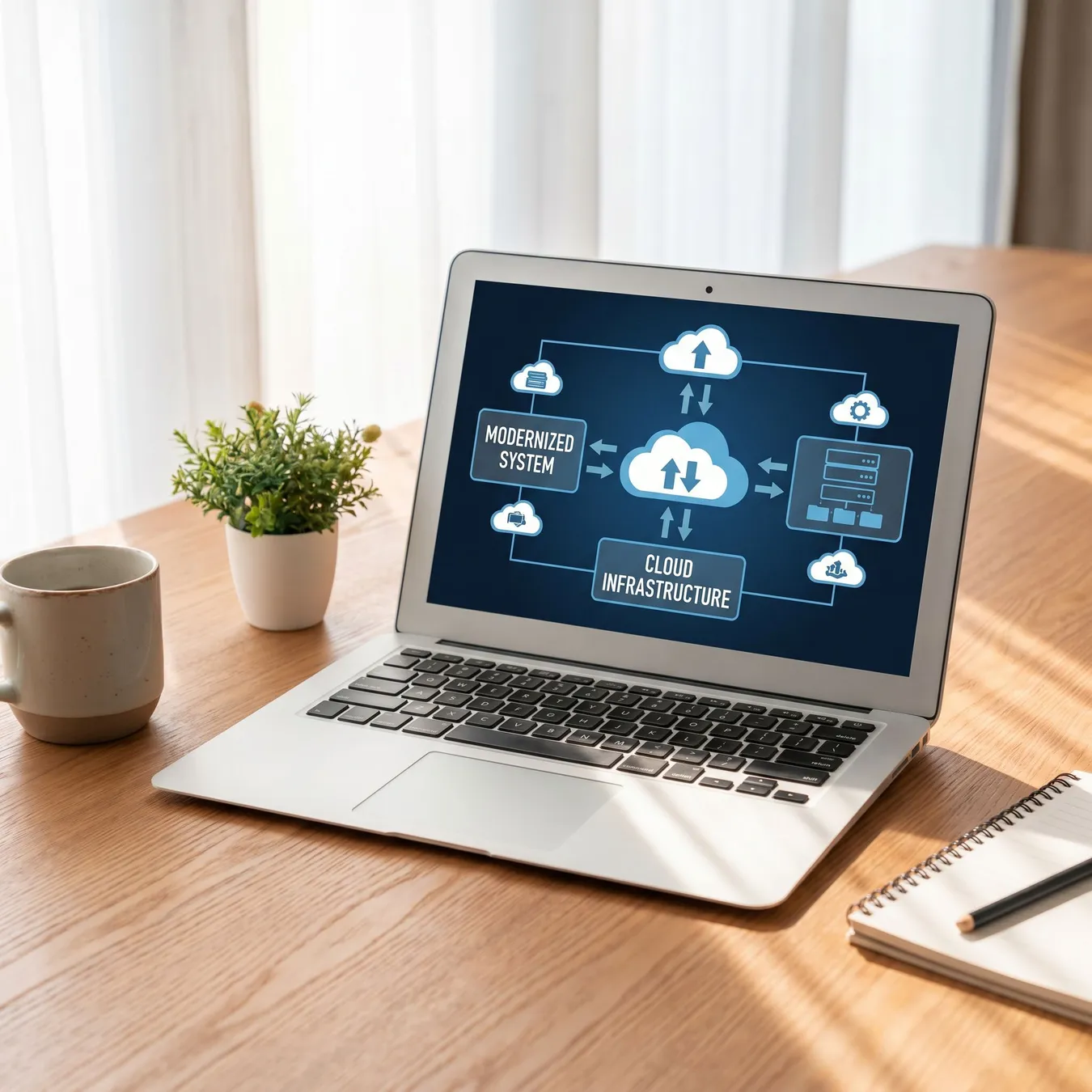
Achieving architectural clarity through modernization.
Our team of senior operators is ready to help you navigate the transition from legacy monoliths to agile, cloud-native systems.