
Mainframe Replatforming with Heirloom: COBOL to Java
Mainframe systems often carry the critical business logic of an enterprise but are trapped in rigid, high-cost environments. Replatforming with Heirloom Computing allows organizations to move COBOL and JCL workloads into cloud-native Java environments without the risk of manual rewrites.
100%
COBOL Compatibility
0
Code Rewrites Required
70%
OpEx Reduction
Understanding the Heirloom Migration Path
The core of the Heirloom approach is automated recompilation. Instead of translating COBOL into a different language that requires extensive debugging, Heirloom compiles the original source code directly into Java byte-code that runs on any standard JVM.
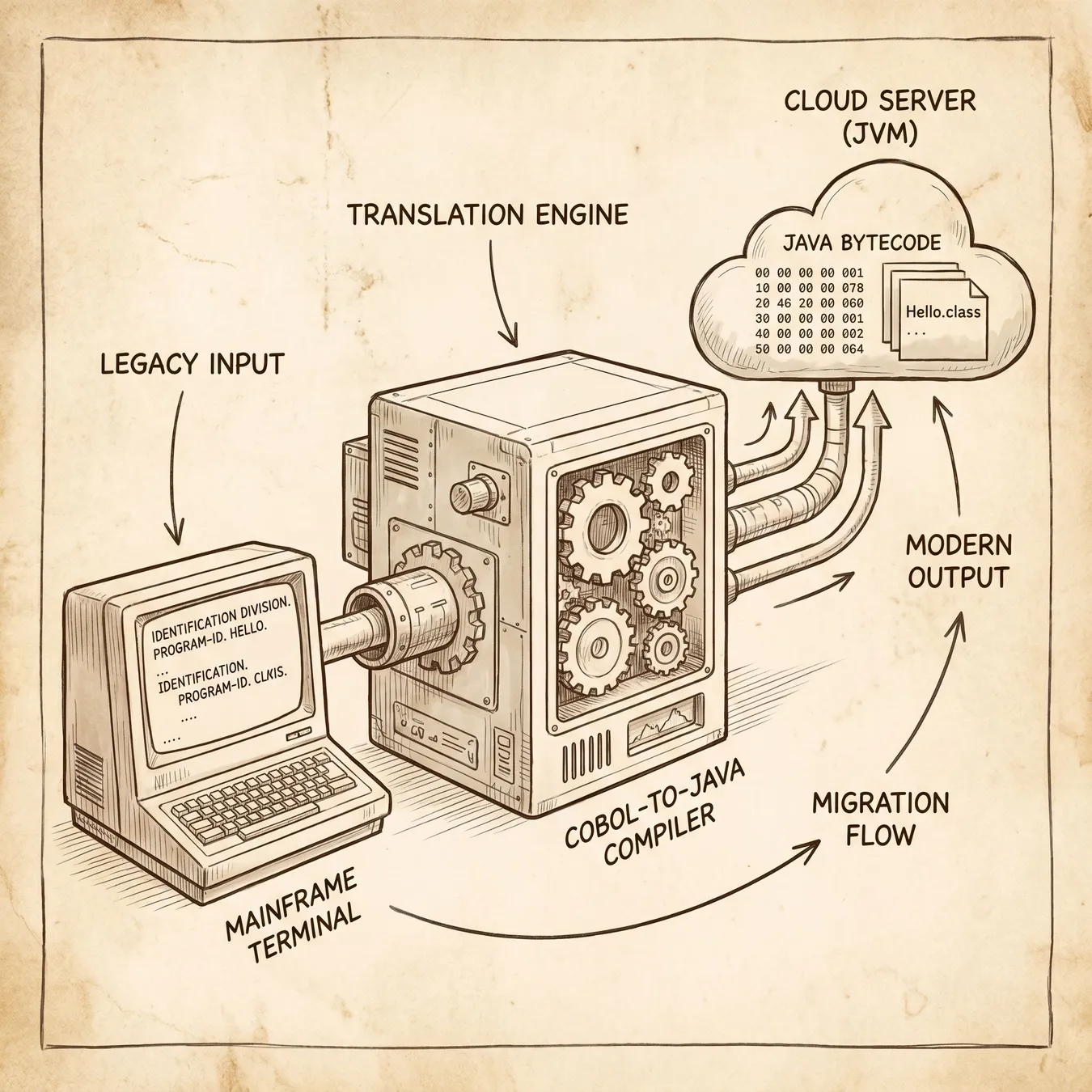
The Heirloom compilation process preserves logic while changing the runtime.
Key Benefits of Replatforming to Java
- Elimination of expensive mainframe hardware and software licensing fees.
- Seamless integration with modern DevOps pipelines and CI/CD tools.
- Access to a massive pool of Java talent compared to dwindling COBOL expertise.
- Elastic scaling on modern cloud infrastructure like AWS, Azure, or GCP.
Technical Requirements for Migration
Before starting, it is vital to assess the risks of legacy systems that currently support your operations. Understanding these vulnerabilities helps prioritize which modules to migrate first.
Inventory of all COBOL source modules and copybooks
Mapping of JCL batch jobs to modern orchestration scripts
Identification of VSAM, IMS, or DB2 data dependencies
Validation of target Java Application Server environment
The Migration Process: Step-by-Step
01 / 04
phase 01 / 04
Analysis
phase 02 / 04
Recompilation
phase 03 / 04
Data Transition
phase 04 / 04
Testing
Managing Data During the Transition
A successful replatforming effort must include a robust strategy for data migration from legacy system environments to modern cloud databases. This ensures data integrity is maintained across the new Java architecture.

Transitioning data from EBCDIC to ASCII/UTF-8 is a critical step.
Comparing Heirloom to Manual Rewriting
Trade-off
4 pros · 3 cons
Pros
Preserves proven business logic
Significantly faster time-to-market
Lower initial capital expenditure
Automated and repeatable process
Cons
Requires Heirloom runtime license
Initial Java code may look 'COBOL-like'
Still requires rigorous testing phases
Post-Migration: Moving Toward Microservices
Once the application is running in a Java environment, you can begin the journey from a monolithic application to microservices. This allows for independent scaling of specific business functions.
Infrastructure Considerations
When migrating mainframe to cloud, the focus shifts from hardware maintenance to software-defined infrastructure. This transition enables automated scaling and high availability.
Common Replatforming Challenges
Automate as much of the testing as possible
Involve mainframe SMEs early in the process
Plan for a phased cutover to minimize risk
Attempt to refactor logic during the initial move
Underestimate the complexity of JCL dependencies
Ignore the performance tuning of the new JVM
Heirloom Runtime Architecture
Heirloom provides a lightweight runtime that emulates mainframe behaviors (like decimal arithmetic and file handling) within the Java ecosystem. This ensures that the recompiled code behaves exactly as it did on the mainframe.
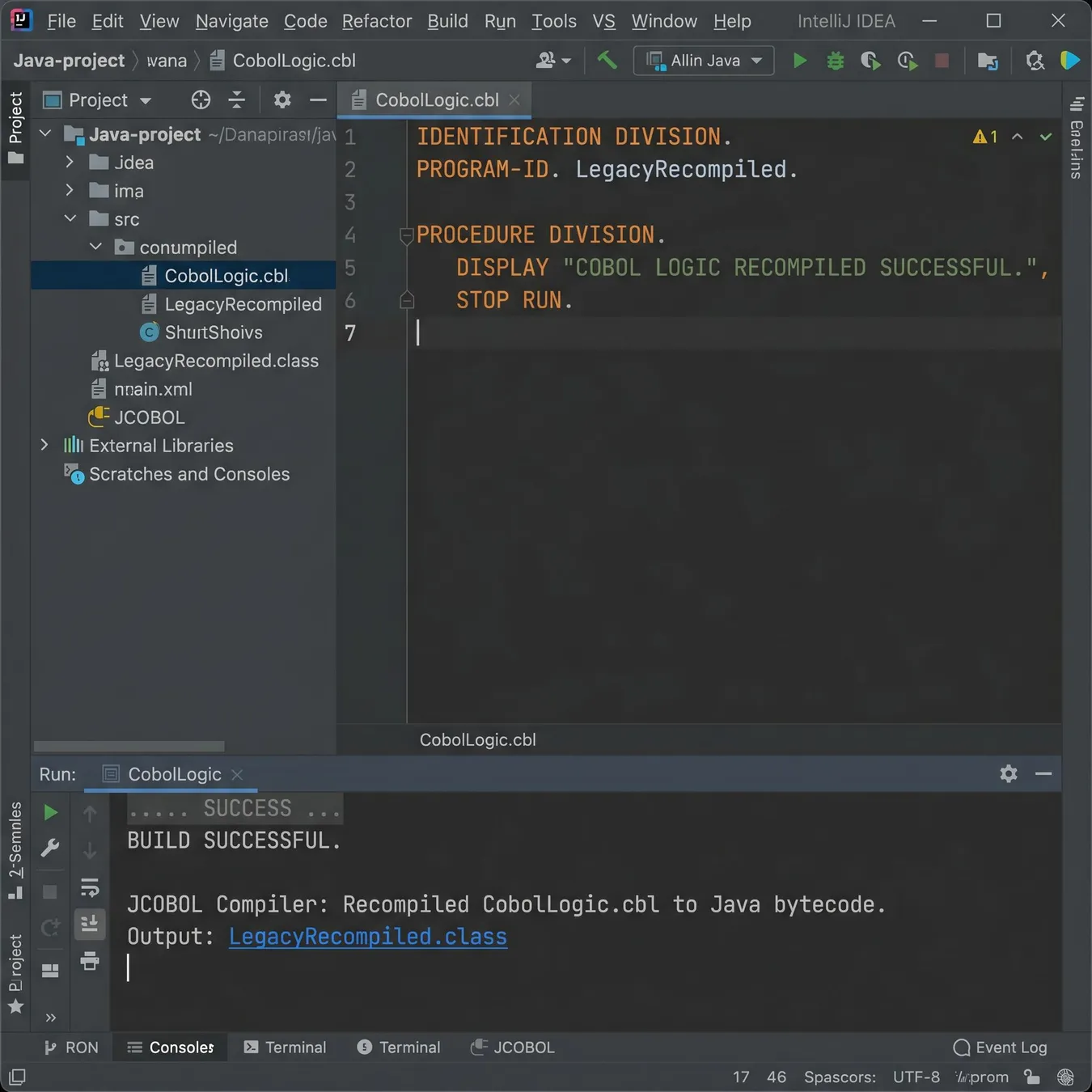
Source code remains readable and maintainable.
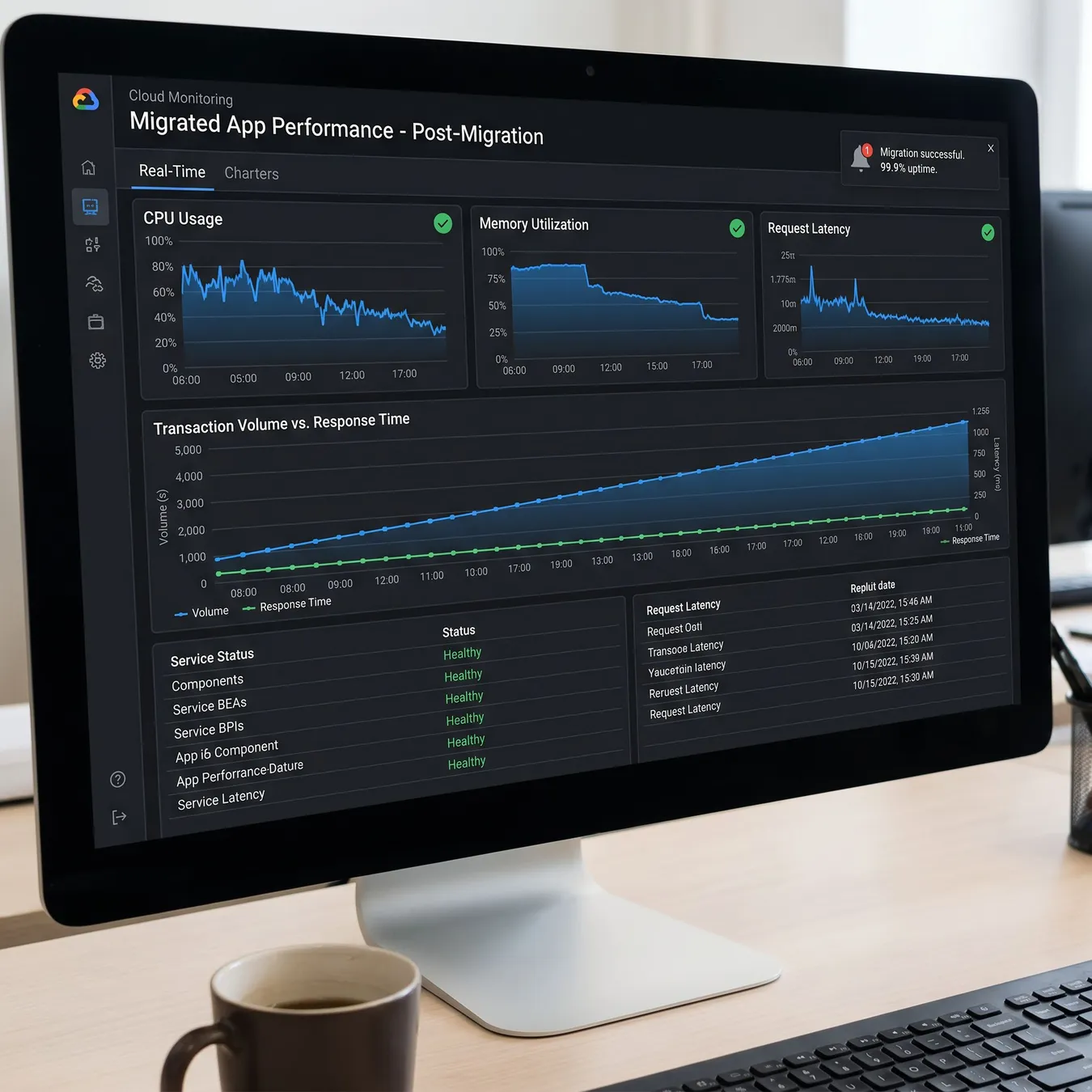
Real-time visibility into legacy logic.
Security in the Cloud-Native Environment
Info.
// Security Shift
Performance and Scalability
Java-based mainframe workloads can leverage horizontal scaling. While a mainframe is vertically limited by its CEC size, a Java app on Heirloom can scale across hundreds of containers in a Kubernetes cluster.
Cost Analysis: Mainframe vs. Cloud
| Metric | Mainframe (Legacy) | Java (Heirloom) |
|---|---|---|
| Compute Cost | High (MIPS-based) | Low (Commodity Cloud) |
| Agility | Slow (Months) | Fast (Minutes) |
| Talent Pool | Shrinking | Global / Abundant |
Developer Experience with Heirloom
Developers no longer need specialized terminals. They can use modern IDEs like VS Code or IntelliJ to debug COBOL logic that has been recompiled into Java, significantly increasing productivity.
Success Stories and Proof Points
Trusted by Fortune 500 financial institutions for core banking modernization.
Verified migrations of over 10 million lines of code.
Legacy Modernization FAQs
The Future of Your Legacy Code
Replatforming is not just about saving money; it is about unlocking the value trapped in your legacy systems. By moving to Java, you enable your business to innovate at the speed of the cloud.
Bridging to Studio 402 Services
At Studio 402, we specialize in complex software rescues and legacy migrations. If your mainframe modernization project feels stalled or overly complex, we can provide the engineering depth needed to cross the finish line.
Modernization is a journey of risk reduction. Using tools like Heirloom allows us to move fast without breaking the core business rules that have worked for decades.
Studio 402 Engineering Team
How We Help with Heirloom Migrations
From initial code audits to full-scale cloud deployment, our team ensures your transition from COBOL to Java is seamless, secure, and ready for production-grade traffic.
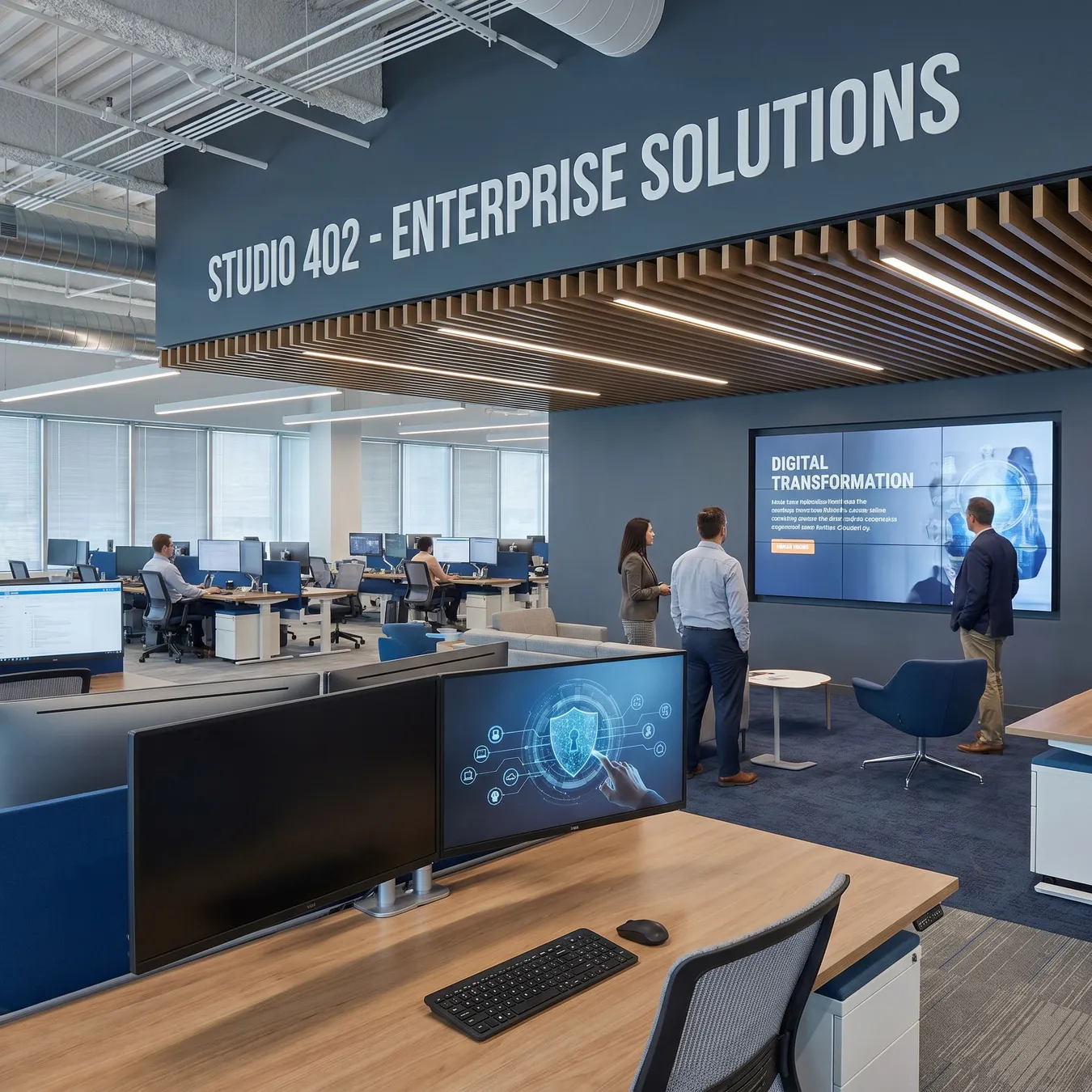
See how we handle complex legacy rescues.
Ready to Modernize Your Mainframe?
Don't let technical debt hold your business back. Let's discuss how a structured replatforming strategy can transform your legacy systems into a competitive advantage.
Start Your Modernization Conversation
Connect with our senior engineering team to audit your legacy stack and build a migration roadmap.
Explore More Resources
- Mainframe
- Cloud-Native
- Java
- Modernization
- Enterprise
Studio 402 is a premium remote product studio focused on building, fixing, and scaling software that survives real-world use. We bridge the gap between legacy constraints and modern scale.
100% Production-Ready Delivery
We don't ship prototypes that break.
Our consultative approach ensures that every migration is scoped for long-term maintainability and operational excellence.